Does Every Car Really Need 95 Octane Petrol?


Today at Motor Guide, we are tackling one of the most common dilemmas drivers face at the fuel station: "Should I pump 92 or 95?" Many drivers falsely believe that all modern or luxury vehicles automatically require 95 octane petrol to perform well. Let's break down the actual technical reality behind this.
Understanding the Octane Rating
First, we need to understand what an octane rating actually is. The octane number is simply a measure of a fuel's ability to withstand high pressure without detonating prematurely. As industry professionals, we constantly hear the myth that 95 octane contains "more power" or "more energy" than 92. This is completely false. 95 petrol does not hold more energy; its only special trait is its ability to delay combustion perfectly under extreme cylinder pressure.
Why Do Some Engines Require 95 Octane?
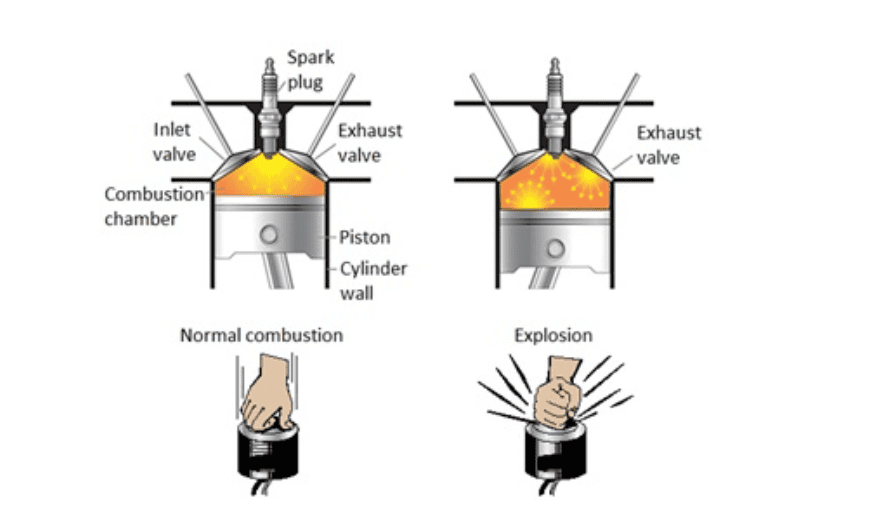
Modern engines, especially those equipped with turbochargers or high compression ratios, generate immense heat and pressure inside the cylinder. If you pump lower-octane fuel like 92 into these high-performance engines, the intense pressure can cause the fuel-air mixture to spontaneously explode before the spark plug even fires. This phenomenon is known as Engine Knocking. Hearing a metallic "pinging" or "knocking" sound means your pistons and internal engine components are taking severe, potentially irreversible damage. For these high-compression engines, 95 octane is strictly mandatory to prevent this pre-ignition and protect the engine's lifespan.
The Truth About Standard Engines
Conversely, if you drive a standard vehicle with a regular, naturally aspirated, low-compression engine, pumping 95 octane offers absolutely zero additional benefits. If the manufacturer designed the car for 92 octane, paying extra for 95 will not give you more horsepower, it will not clean your engine better, and it will not improve your fuel efficiency. It simply burns a hole in your wallet for no technical reason.
The definitive answer is always printed on the inside of your fuel filler cap or in your owner's manual. Automotive engineers explicitly state the required fuel grade for a reason—always follow their instructions rather than listening to unverified advice from others.
Motor Guide's Final Advice
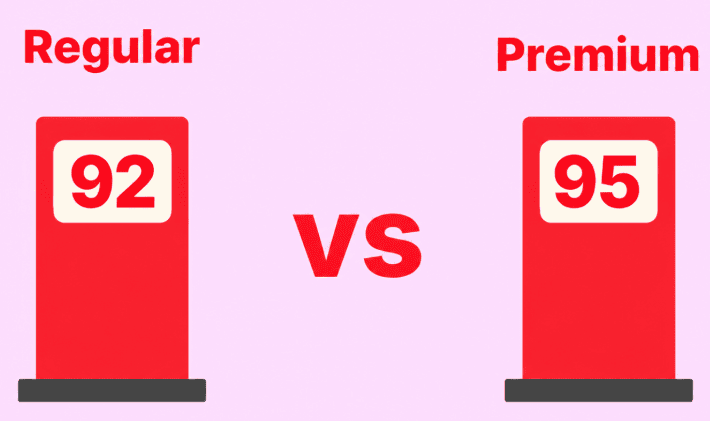
Motor Guide's ultimate advice is to base your fueling decisions purely on your vehicle's technical specifications and manufacturer recommendations. If your car requires 92 octane, use it confidently and save your money. However, if you drive a modern turbocharged or high-compression vehicle that mandates 95, never downgrade to 92, as the long-term engine damage will cost you far more than the savings at the pump. And don't forget to always stay tuned with Motor Guide to learn more valuable information like this about modern vehicles and technology!

Written by
Nisaga Sandaru
A versatile and highly experienced professional, currently an Automobile undergraduate at the University of Jaffna, with strong technical expertise grounded in hands-on work as a technician with SriLankan Airlines Ground Support Equipment (GSE). Holding an Automobile NVQ Level 3 qualification, along with specialized certifications in Vehicle ECU Programming and Diagnosis, and extensive experience in arc welding and vehicle body painting, and well equipped to handle complex automotive, diagnostic, and fabrication-related tasks with a high level of competence.