How to Properly Care for the Engine

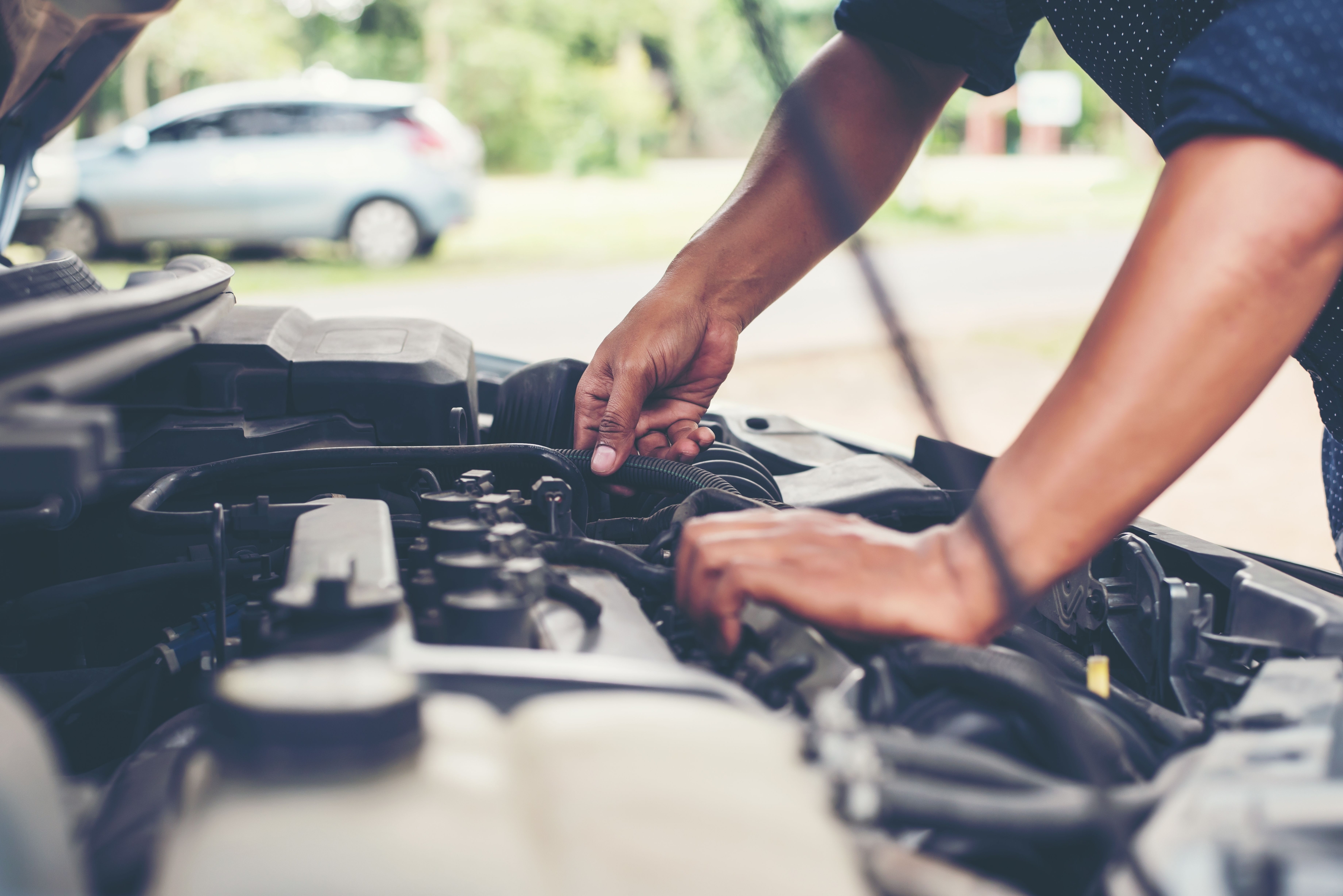
If you own a vehicle, you probably spend time and money looking after it. But how much attention do you give to the engine—the heart of your vehicle? The engine powers every journey, and without proper care, even the best vehicles can fail. Today, MotorGuide explains the correct ways to take care of your engine so it stays reliable and long-lasting.
Change the Engine Oil Regularly
One of the most important steps in engine care is changing the oil at recommended intervals. Engine oil lubricates moving parts, reduces wear, and prevents dirt buildup. Without it, friction can quickly damage the engine.
- Check the oil level every month.
- Top up if it’s low, following the manufacturer’s recommended grade.
- Don’t forget the oil filter—it removes impurities and keeps the engine clean.
Following the correct oil change schedule is one of the easiest ways to extend your engine’s life.
Check the Cooling System
Engines generate significant heat, and without proper cooling, they can overheat. To prevent this:
- Ensure the coolant reservoir is always filled to the correct level.
- Keep an eye on the temperature gauge, especially on hot days.
- If the engine overheats, stop and switch off immediately.
A well-maintained cooling system keeps engine temperatures under control and prevents costly damage.
Inspect for Fluid Leaks
Leaks are a warning sign you should never ignore. When your car is parked, check the ground for any oil, coolant, or other fluids. You can also open the hood to look and smell for leaks. If you notice anything unusual, visit a mechanic immediately. Early detection can save you from expensive repairs later.
Check Engine Belts
Belts keep the engine’s systems working in sync. Over time, they can crack, wear, or slip. Watch for warning signs like squealing noises from under the hood. If you notice damage, replace the belts promptly. A snapped belt while driving can lead to severe engine failure.
Replace the Fuel Filter
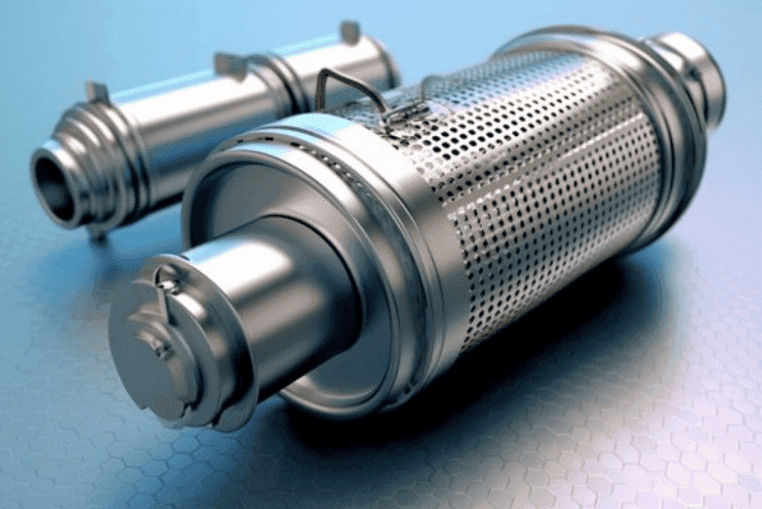
The fuel filter is another small part with a big responsibility. It ensures only clean fuel reaches the engine by filtering out impurities. A clogged filter forces the engine to work harder and reduces efficiency. Replacing it regularly helps maintain smooth performance and prevents dirt from entering the combustion chamber.
Taking care of your engine doesn’t require advanced skills—it just needs consistent attention. By regularly checking oil, coolant, belts, and filters, you can avoid breakdowns and extend your vehicle’s lifespan. Remember, your engine is the heart of your car, and a little care goes a long way in keeping it healthy.

Written by
Nipuna Marasinghe