What Exactly is a PCV Valve?

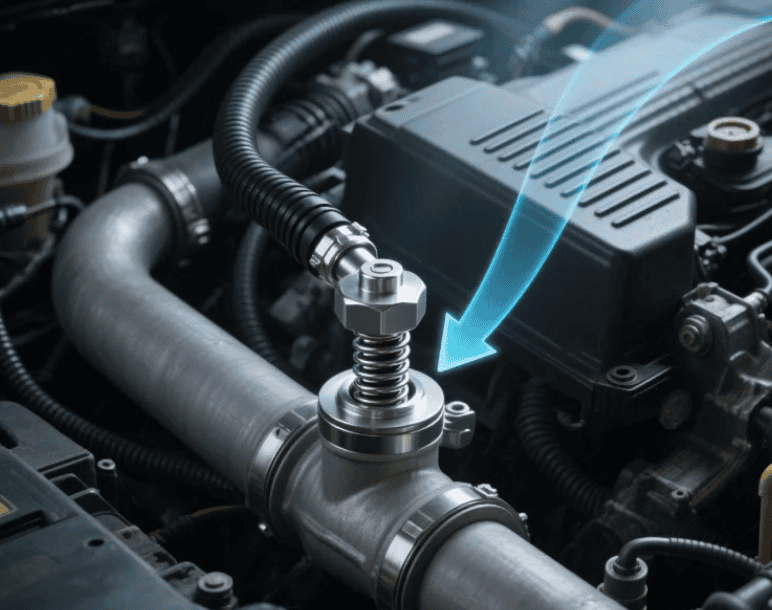
Today at Motor Guide, we are discussing a very small component inside a vehicle's engine that directly determines the engine's lifespan and performance. This is called the PCV Valve, which stands for Positive Crankcase Ventilation Valve. Generally, many vehicle owners do not know about this tiny valve or simply ignore it. However, if this small part fails, it can cause severe damage to your vehicle's engine, resulting in massive repair bills. Therefore, today we will discuss in detail what a PCV valve is, its main functions, and the symptoms it shows when it goes bad.
Understanding the Internal Engine Process
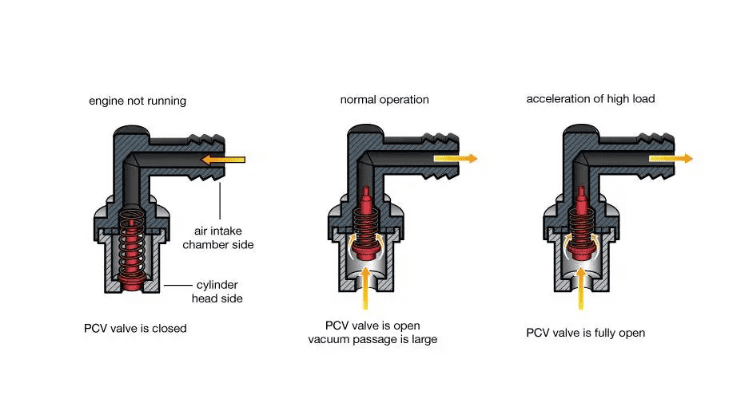
To understand how this valve works, you first need to have a basic understanding of what happens inside the engine. When air and fuel mix and ignite inside the engine cylinders, a massive amount of pressure and energy is generated. This pressure pushes the piston down, propelling the vehicle forward. Although there are piston rings around the piston to seal this in, a very small percentage of these combustion gases squeeze past the rings and leak into the crankcase located below the pistons. We call these leaking gases "Blow-by gases." These gases contain large amounts of harmful substances like unburnt fuel, carbon, and water vapor.
The Main Function of the PCV Valve
When these blow-by gases accumulate inside the crankcase, a massive amount of pressure begins to build up. If this pressure is not released from the engine, it will blow out the internal oil seals and gaskets, causing engine oil to leak out everywhere. Furthermore, when these harmful gases mix with the engine oil, the oil degrades, thickens, and forms sludge inside the engine.
The PCV valve was designed to prevent this exact catastrophic problem. What this valve does is draw those harmful blow-by gases out of the crankcase and route them back into the engine's intake manifold. From there, the gases go back into the cylinders, are burned again, and are safely expelled into the atmosphere through the exhaust.
How it Operates via Engine Vacuum
The PCV valve is not just a standard open tube; it operates using the engine's vacuum (suction pressure). As the engine runs at different speeds, the pressure inside the crankcase changes. For example, when the vehicle is stopped and idling, the intake manifold vacuum is very high, but the amount of blow-by gas produced is very low. During this time, a spring inside the valve keeps the opening partially closed. If too much air is drawn in at idle, it alters the engine's air-fuel ratio. However, when you drive at high speeds, a large volume of blow-by gas is generated. Even though the intake vacuum is lower at this point, the valve opens completely to quickly suck all the accumulated gases out.
Symptoms of a Failing PCV Valve
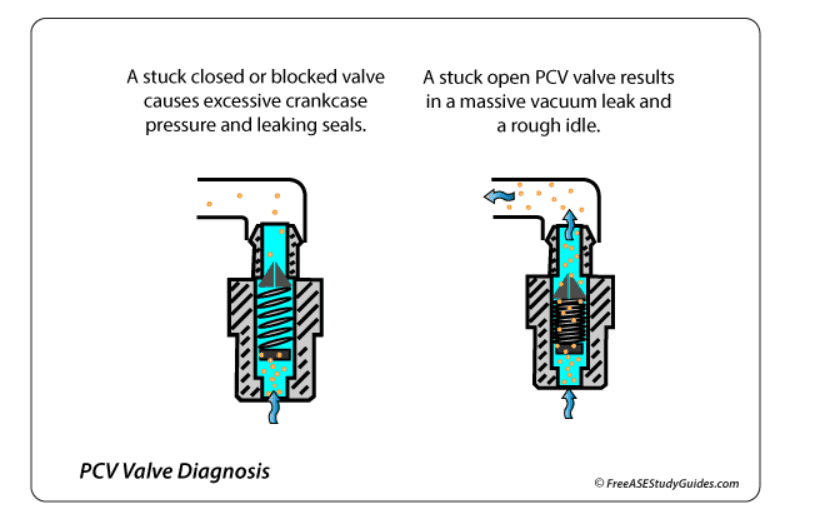
As industry experts, one thing we constantly see is that the primary reason for PCV valve failure is not changing the engine oil on time. As oil gets old, carbon and sludge build up inside this valve, causing it to get stuck. The valve can primarily get stuck in two ways:
- Stuck Open: This happens when the valve gets jammed in the wide-open position. When this occurs, a massive amount of air and oil vapor is sucked into the intake even when the engine is idling. This creates a "lean mixture" (too much air). As a result, the engine will experience a rough idle, misfires, and a significant drop in fuel economy. Because excess oil vapor is being burned, you will also notice your vehicle's engine oil level dropping rapidly.
- Stuck Closed: This is the most dangerous scenario. If the valve gets stuck completely closed, the gases building up inside the crankcase have no way to escape. The internal pressure maxes out, causing oil to leak from the tappet cover gaskets and main oil seals. If you notice fresh oil leaks just days after an engine wash or service, a stuck-closed PCV valve is highly likely to blame. Additionally, this back-pressure forces engine oil up through other breather hoses and into the air filter box, soaking your air filter in black oil. When this happens, internal engine components lose proper lubrication, drastically accelerating engine wear.
Maintenance and Testing Methods
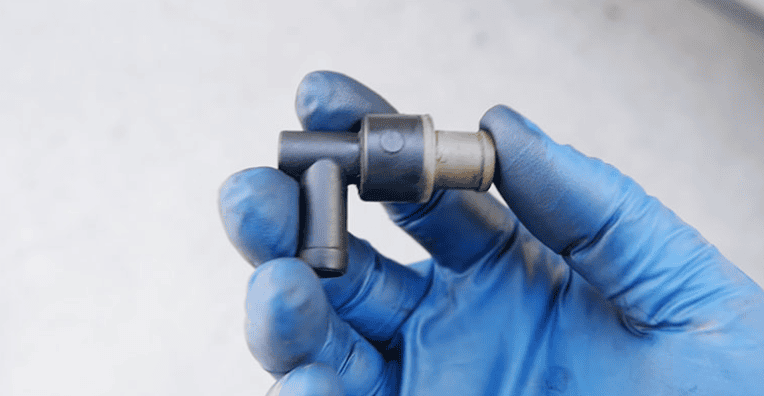
Testing a PCV valve is a very simple task for a mechanic. Usually, when you remove the valve from the engine and shake it by hand, you should hear a clear rattling or "tick-tick" sound. If there is no sound, it means the internal plunger is jammed with sludge. While it is sometimes possible to clean it using a carbon cleaner spray and reuse it, as professionals, we always recommend completely replacing it with a new one. This valve is very inexpensive, but the engine value and repair costs it saves are massive. Generally, checking and replacing this valve every 30,000 to 40,000 kilometers is the most highly recommended practice to protect your engine's health.
Motor Guide's Final Advice
If you want to maintain your vehicle to proper standards and use it trouble-free for a long time, always pay attention to small engine components like this. Especially if your engine oil level is constantly dropping, if there are oil leaks around the engine block, or if the vehicle vibrates unusually while idling, have your PCV valve checked before jumping into major, expensive repairs. By having your vehicle serviced on time by a trusted mechanic and using only high-quality engine oil, you can completely prevent this valve from sticking. Always remember that major vehicle breakdowns often stem from small negligences like this.
And don't forget to always stay tuned with Motor Guide to learn more valuable information like this about modern vehicles and technology!

Written by
Nisaga Sandaru
A versatile and highly experienced professional, currently an Automobile undergraduate at the University of Jaffna, with strong technical expertise grounded in hands-on work as a technician with SriLankan Airlines Ground Support Equipment (GSE). Holding an Automobile NVQ Level 3 qualification, along with specialized certifications in Vehicle ECU Programming and Diagnosis, and extensive experience in arc welding and vehicle body painting, and well equipped to handle complex automotive, diagnostic, and fabrication-related tasks with a high level of competence.