Things to Consider Before Buying a Vehicle on Lease

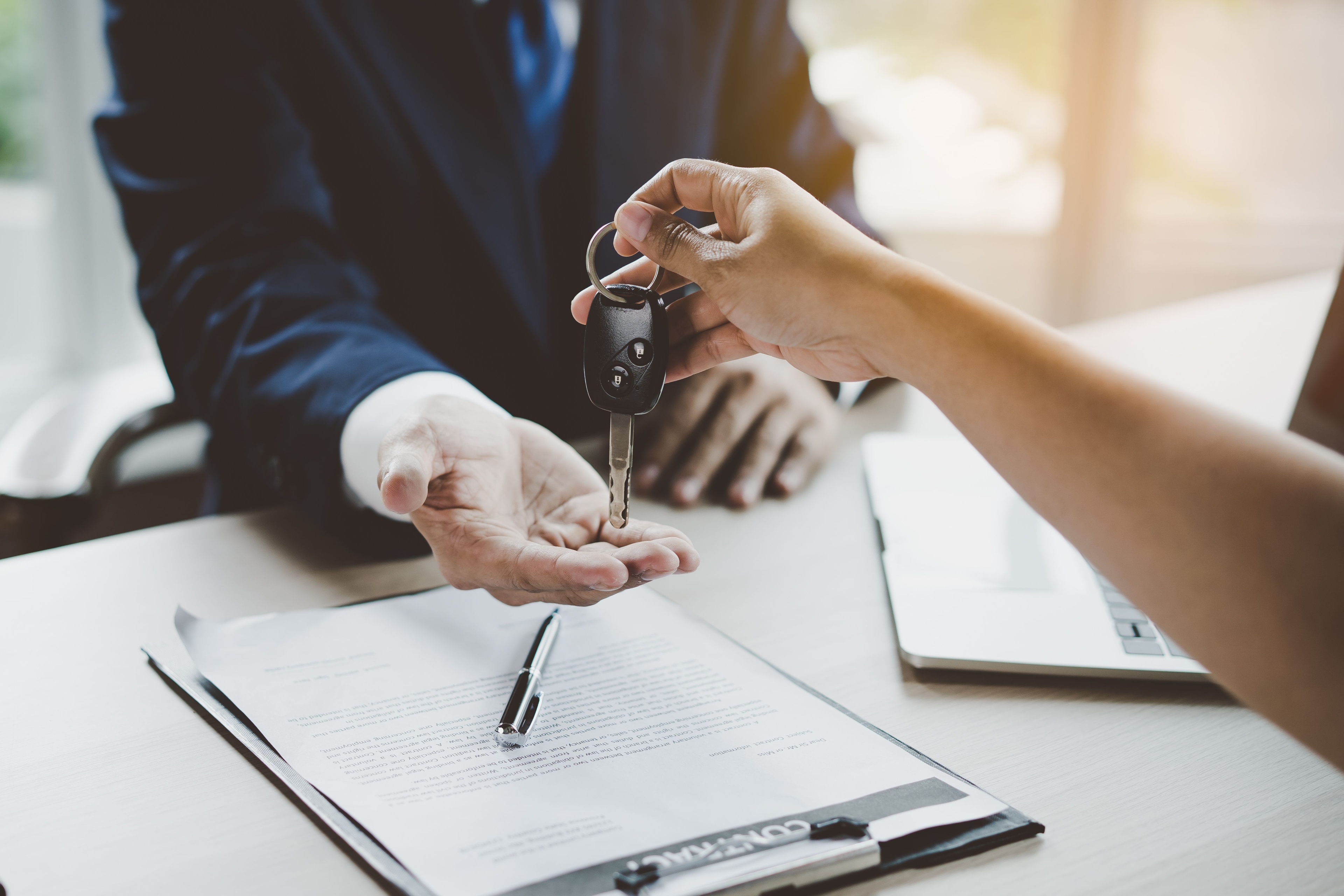
For many, owning a vehicle is a long-time dream. But if you don’t have enough money in hand, a leasing facility becomes the most practical solution. However, buying a vehicle on lease isn’t something you should rush into. There are several important factors to consider before signing a lease agreement. Today, MotorGuide explains the key points you must pay attention to when leasing a vehicle.
What Are the Ways to Buy a Vehicle?
Generally, you can purchase a vehicle in two ways:
- Pay the full amount in cash and buy the vehicle outright
- Buy the vehicle with the support of a leasing facility
If you already have the full amount, you can directly purchase the vehicle you want. But if you don’t, leasing allows you to combine your available funds with financial assistance from a bank or leasing company to own your dream vehicle.
How Does Leasing Work?
When your savings are not enough to buy a vehicle, a financial institution will provide a leasing facility. You pay part of the price upfront, and the leasing company covers the balance. You then repay the leasing company in fixed monthly installments over a period of time.
1. Check Whether the Leasing Facility is Sufficient
The first step is to calculate whether the amount you receive from the leasing company, combined with your own savings, is enough to buy the vehicle. If not, you may face financial pressure at the last moment.
- For unregistered (brand-new) vehicles – leasing facilities usually cover up to 50% of the vehicle’s value.
- For registered (used) vehicles – leasing facilities can cover up to 70% of the vehicle’s value.
2. Get an Affordable Leasing Facility
Don’t choose an installment plan you cannot realistically afford. Leasing payments typically last 2–3 years. Make sure your monthly installment fits comfortably within your budget, so you don’t struggle with long-term financial commitments.
3. Choose the Right Financial Institution
Since you’ll be paying installments to the institution for several years, selecting the right one is crucial. Consider:
- Interest rates offered
- Quality of service and speed of processing
- Documentation requirements (the fewer, the better)
Both banks and finance companies offer leasing facilities. Compare your options carefully before deciding.
4. Discuss the Terms Clearly
Once you select an institution, have a clear discussion about:
- The total loan amount you can obtain
- The list of required documents
- The monthly installment and service fees
Only proceed if you are satisfied with the terms and repayment plan.
5. Prepare the Required Documents
Whether you buy a brand-new or used vehicle, you’ll need to present the following:
- For brand-new vehicles: Invoice from the vehicle seller
- For used vehicles: A signed letter from the seller stating the sale price and a copy of the vehicle’s registration certificate
These documents are mandatory for the financial institution to process the lease.
6. Get an Appraisal Report (For Used Vehicles)
If you’re buying a registered vehicle, you also need an appraisal report. Most leasing companies have registered appraisers who provide this report. It verifies the true market value of the vehicle and makes the leasing process smoother.
Leasing is a smart way to own a vehicle when you don’t have the full amount in hand. But before signing any agreement, carefully consider the factors above. By choosing the right financial institution, affordable installments, and preparing the correct documents, you can avoid unnecessary financial stress and enjoy your new vehicle with peace of mind.

Written by
Nipuna Marasinghe