How Failing to Change Brake Fluid Reduces Braking Power

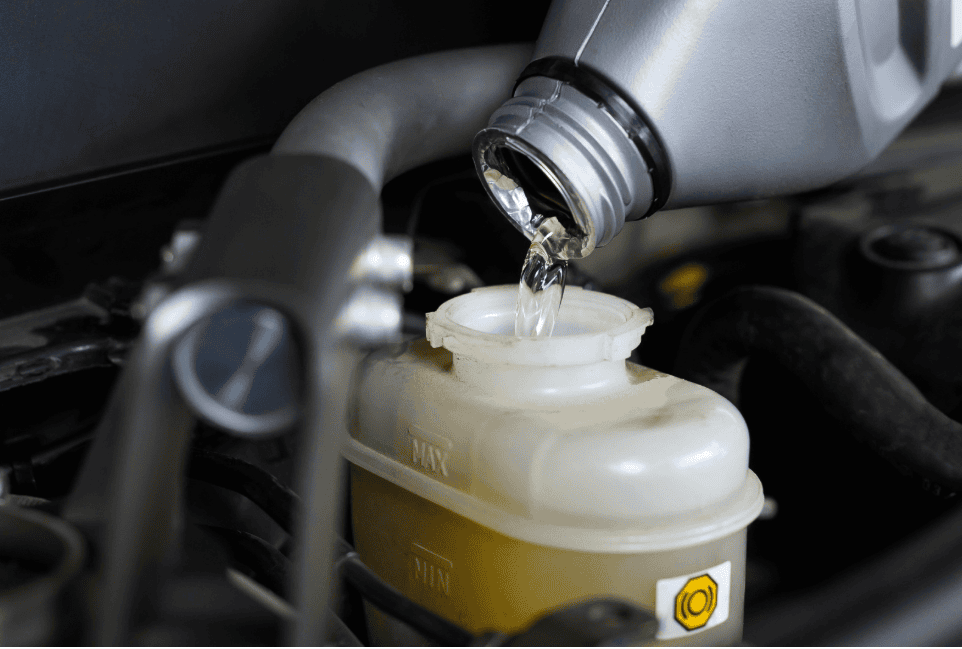
Although Brake Fluid is one of the most critical fluids regarding a vehicle's safety, many people do not realize that it needs to be changed regularly. Unlike engine oil, brake fluid receives very little attention. However, remember that if brake fluid is not changed on time, the performance of your vehicle's braking system will gradually deteriorate, and in an emergency, the brakes might fail to engage properly. We don't need to emphasize how dangerous that can be.
The Nature of Brake Fluid and Water Absorption (Hygroscopic Nature)
First, you need to understand the special properties of brake fluid. Brake fluid is a 'Hygroscopic' fluid. This means it has the ability to absorb moisture (water) from the atmosphere. As you use the vehicle over time, moisture enters very subtly through the rubber seals and hoses in the brake system. The real problems begin when this water mixes with the brake fluid.
The primary job of brake fluid is to transmit the pressure applied from the brake pedal to the calipers on the wheels. Due to the high friction generated when braking, the brake discs and pads heat up. That heat is also transferred to the brake fluid. Fresh brake fluid has a very high Boiling Point. But when water mixes into it, that boiling point drops significantly.
"Brake Fade" and Vapor Formation Inside the System
Here is where things get serious. When you are driving down a hill or using the brakes continuously while driving fast, the brake system heats up excessively. If there is water in the brake fluid, as the fluid heats up, that water turns into vapor and starts forming bubbles. We know that a liquid cannot be compressed, but a gas can be compressed.
So, what happens then? When you press the brake pedal, that pressure does not apply the brakes to the wheels; it merely compresses the gas bubbles that have formed inside the fluid. This is when a "Spongy Brake" condition occurs. It means that when you press the pedal, it feels like stepping on a soft ball, and the vehicle does not stop. We refer to this as a 'Vapor Lock'. This can cause your braking power to drop to zero.
Internal Component Corrosion
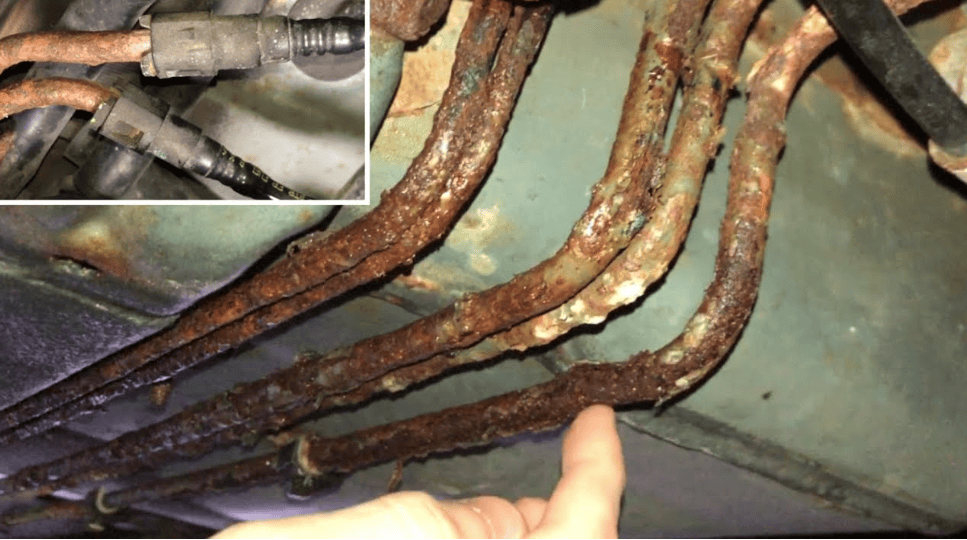
Another major issue with not changing brake fluid is the rusting of metal components inside the system. The ABS (Anti-lock Braking System) module, master cylinder, and wheel cylinders in the brake system are made of precision-machined metals. As mentioned earlier, because of the water absorbed into the brake fluid, these metal parts start rusting from the inside.
This rust and debris mix with the brake fluid, turning it into a thick liquid (Sludge). Because of this debris, the extremely fine passages and valves inside the ABS system can get clogged. An ABS unit is a very expensive component. By failing to spend a few thousand rupees to change the brake fluid on time, you risk suffering a loss of hundreds of thousands eventually. Furthermore, this rust can eat away at the seals, leading to brake fluid leaks.
How to Check the Condition of Brake Fluid
Generally, the best practice is to change the brake fluid once every two years or every 40,000 kilometers. However, this can vary depending on how the vehicle is used and the environment. The easiest way to identify old brake fluid is by its color. Fresh brake fluid is very clear and has a light yellow tint. If it turns dark brown or black over time, it means it is full of moisture and contaminants.
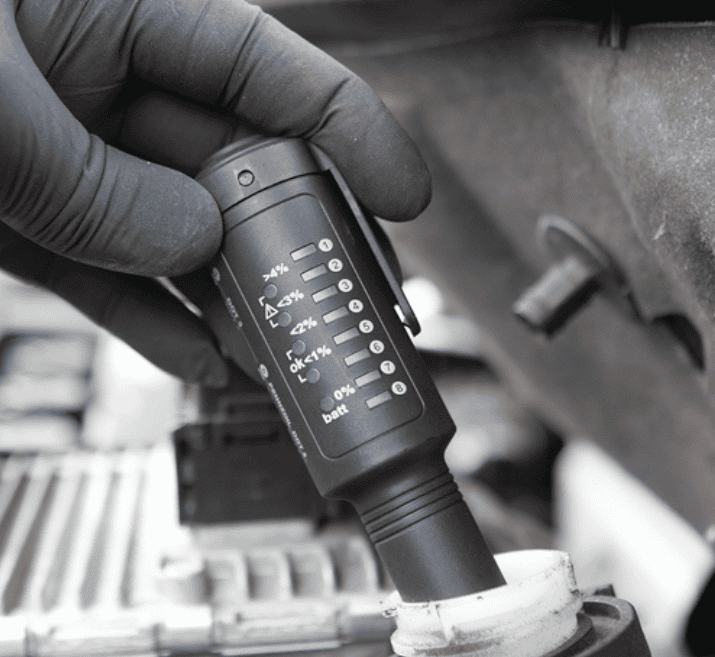
Also, there is a small device available in the market now called a "Brake Fluid Tester" pen. It can measure the percentage of water in the brake fluid. If the water percentage is higher than 3% - 4%, you must definitely change that fluid. When you take your vehicle in for a service, remind the technician to check this.
Choosing the Correct Brake Fluid Type
Not every brake fluid is suitable for every vehicle. You must use the specific DOT (Department of Transportation) rating recommended by the vehicle's manufacturer. Generally, DOT 3, DOT 4, or DOT 5.1 are used in most vehicles. While using DOT 4 in a vehicle that requires DOT 3 usually isn't a big issue, do not put silicone-based fluids like DOT 5 into standard vehicles, as it can severely damage the rubber seals.
In conclusion, the brakes are the one system in a vehicle that must be in peak operating condition at all times. Do not delay changing your brake fluid thinking, "I'll do it later." Doing so puts your life, as well as the lives of others on the road, at extreme risk. Therefore, check the condition of your vehicle's brake fluid today.

Written by
Nisaga Sandaru
A versatile and highly experienced professional, currently an Automobile undergraduate at the University of Jaffna, with strong technical expertise grounded in hands-on work as a technician with SriLankan Airlines Ground Support Equipment (GSE). Holding an Automobile NVQ Level 3 qualification, along with specialized certifications in Vehicle ECU Programming and Diagnosis, and extensive experience in arc welding and vehicle body painting, and well equipped to handle complex automotive, diagnostic, and fabrication-related tasks with a high level of competence.