How Important Is Valve Adjustment on a Motorcycle

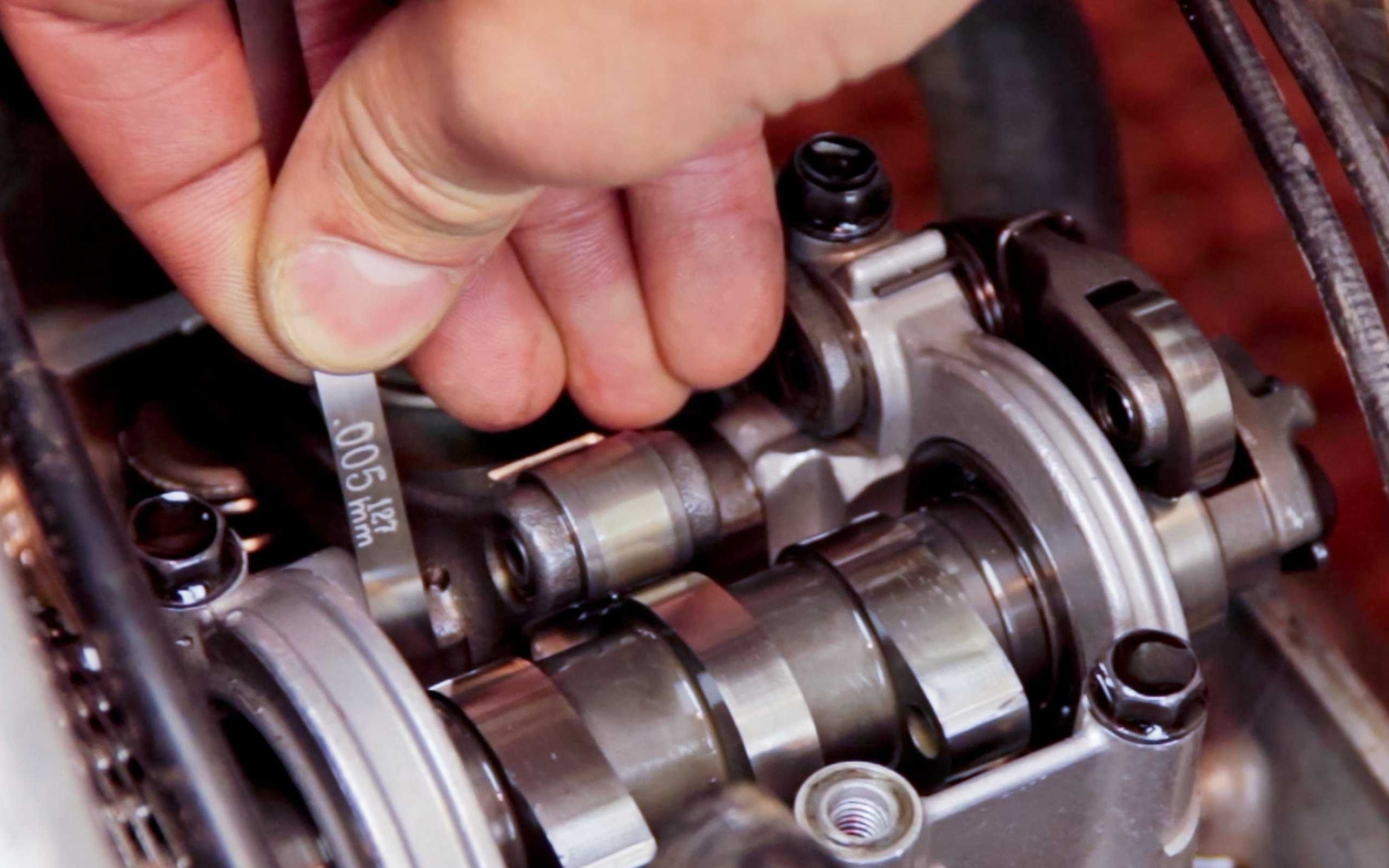
Valve adjustment is a critical aspect of motorcycle maintenance that often goes overlooked by riders. It involves setting the clearance between the valve tappets and the valve stems to ensure optimal engine performance and longevity. This task, while seemingly technical and minor, plays a pivotal role in the health of your motorcycle's engine. This blog post delves into the importance of valve adjustment, highlighting why it should be a non-negotiable part of your motorcycle maintenance routine.
The Role of Valves in Engine Operation
To appreciate the significance of valve adjustment, it's essential to understand the role of valves in engine operation. Valves are responsible for letting fuel and air into the engine (intake valves) and allowing exhaust gases to exit (exhaust valves). Precise timing and opening/closing of these valves are crucial for efficient combustion and engine performance.
Symptoms of Improper Valve Adjustment
Incorrect valve clearance can lead to a host of engine issues, ranging from minor annoyances to severe damage. Symptoms of improperly adjusted valves include:
Reduced Performance: Incorrect valve clearance can lead to a loss of engine power and reduced responsiveness.
Noisy Operation:
A ticking or tapping noise from the engine is a common indicator of valve clearance issues.
Hard Starting:
Engines with improperly adjusted valves may experience difficulty starting or may require multiple attempts to start.
Poor Fuel Economy:
Inefficient combustion resulting from incorrect valve adjustment can lead to decreased fuel efficiency.
Engine Damage:
In extreme cases, valves that are too tight can fail to close completely, leading to burned valves and severe engine damage.
Benefits of Regular Valve Adjustment
Optimized Engine Performance: Regular valve adjustment ensures that your motorcycle's engine operates at its peak efficiency, providing optimal power and responsiveness.
Extended Engine Life:
Proper valve clearance prevents excessive wear on valve components, reducing the risk of premature engine failure and extending the lifespan of your engine.
Improved Fuel Efficiency:
Efficient combustion, achieved through correct valve adjustment, can improve your motorcycle's fuel economy, saving you money in the long run.
Reduced Repair Costs:
By preventing severe engine damage, regular valve adjustments can save you from costly repairs that might arise from neglected valve maintenance.
When to Adjust Your Motorcycle's Valves
The frequency of valve adjustments varies by motorcycle make and model, as well as the engine type (e.g., liquid-cooled vs. air-cooled). Consult your motorcycle's owner manual for specific recommendations. Generally, valve adjustments are recommended at regular service intervals, which can range from every 15,000 to 26,000 miles, but this can vary widely.
DIY vs. Professional Valve Adjustment
While some mechanically inclined riders may choose to adjust their valves themselves, it's a procedure that requires precision, patience, and the right tools. Incorrect adjustment can lead to serious engine problems. If you're not confident in your mechanical skills, it's wise to leave this task to a professional. A motorcycle mechanic will have the expertise and specialized tools to adjust your valves correctly, ensuring your engine operates smoothly and efficiently.
Valve adjustment is a crucial aspect of motorcycle maintenance that significantly impacts engine performance and longevity. Neglecting this task can lead to a range of engine issues, from reduced performance and increased noise to severe damage and costly repairs. By ensuring your motorcycle's valves are properly adjusted at the recommended intervals, you can enjoy a smoother ride, optimal engine performance, and peace of mind knowing that your motorcycle is in top condition. Whether you tackle this task yourself or entrust it to a professional, regular valve adjustment is an investment in your motorcycle's health and your riding enjoyment.

Written by
Nipuna Marasinghe