How Often Should Change Oil In Your Vehicle

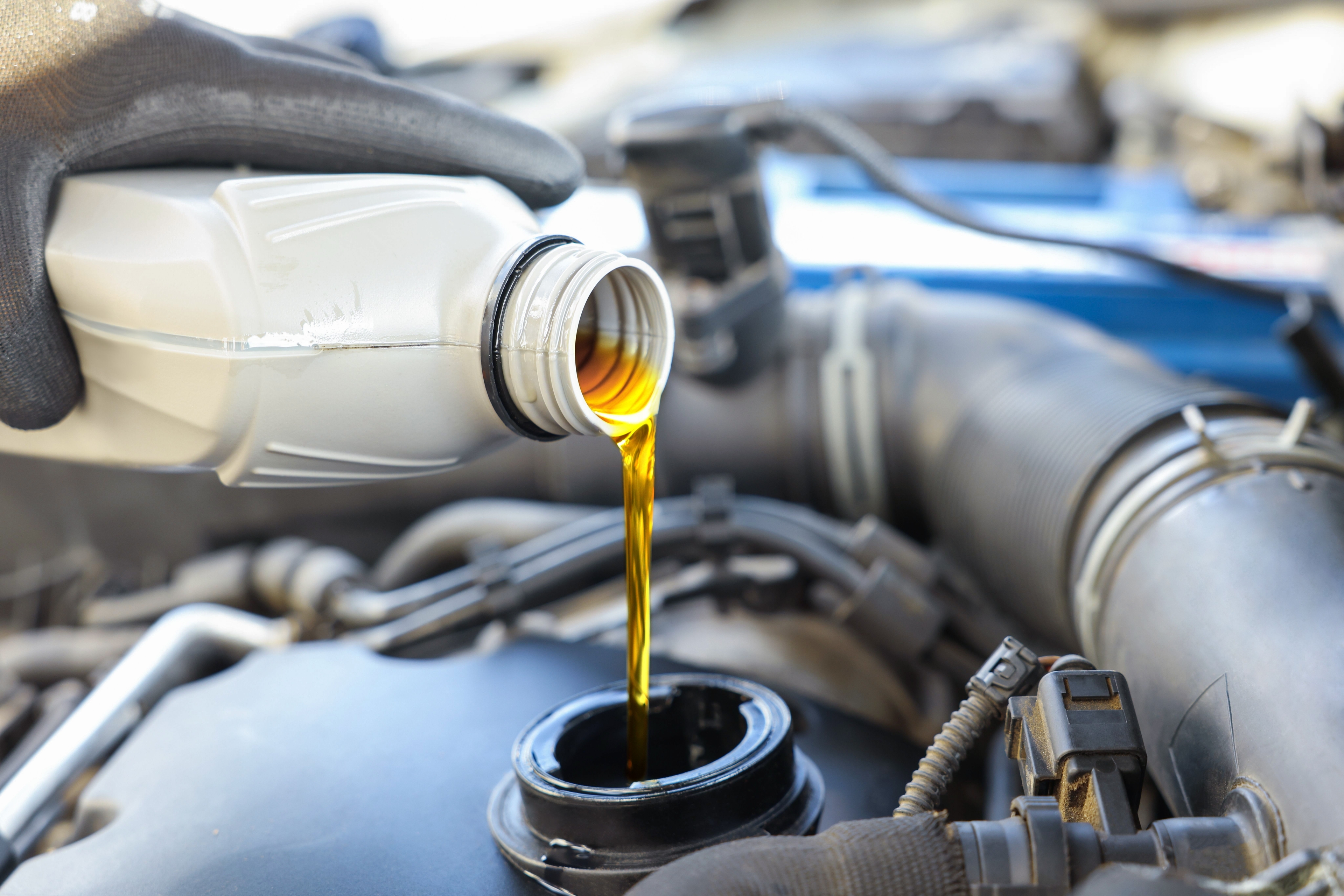
This discusses the instances when engine oil should be changed based on the distance a vehicle has traveled, which is a very important factor for you as a vehicle owner.
The time or distance for changing engine oil is primarily determined by a few factors:
Type of Oil
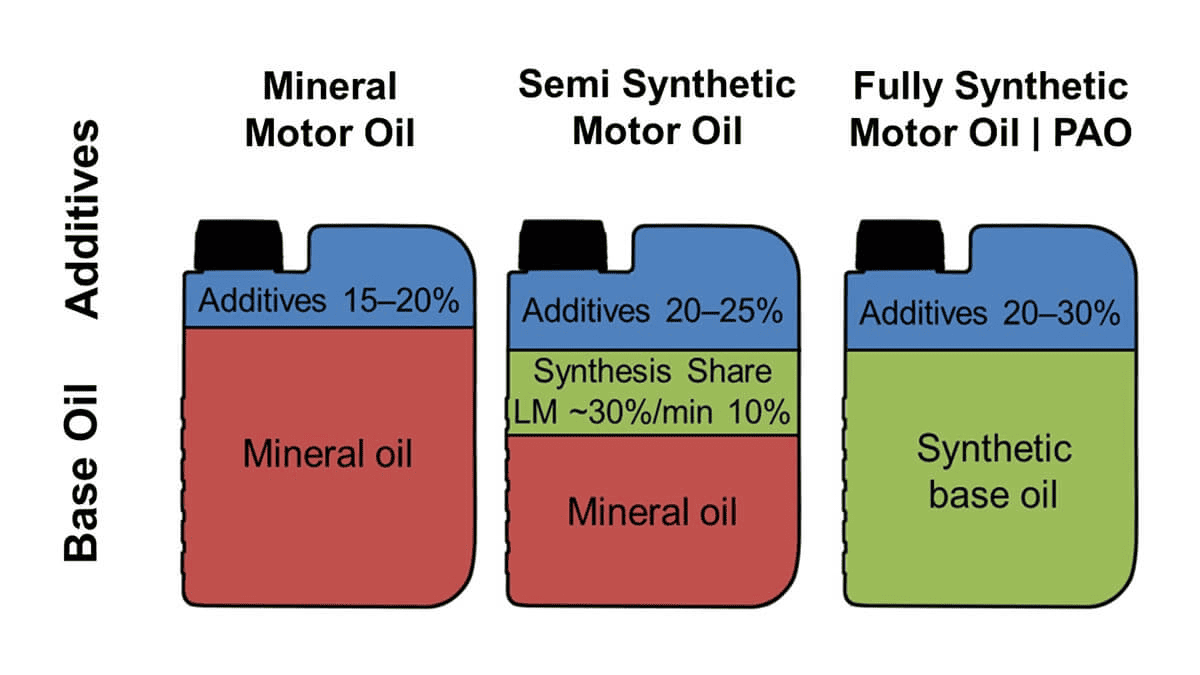
- **Mineral Oil:** It is generally recommended to change mineral oil after a period of **3,000 to 5,000 kilometers**.
- **Semi-Synthetic Oil:** This is a blend of mineral and synthetic oils. It is usually suitable to change it after a period of **5,000 to 7,000 kilometers**.
- **Full Synthetic Oil:** This oil is of a higher quality and lasts for a longer period. It can often be recommended for **10,000 to 15,000 kilometers** or even more.
Manufacturer's Recommendation
Checking your vehicle's **Owner's Manual** is always the most important step. The manufacturer specifies the most suitable type of oil for your vehicle and engine, as well as the exact distance or time period (in months) when the oil should be changed.
Driving Conditions
If you frequently drive short distances (stopping before the engine fully warms up), on dusty roads, or in areas with heavy traffic, it can cause the oil to contaminate quickly. Under such **"Severe Usage"** conditions, it is advisable to change the oil earlier than the recommended distance.
Time Interval
In addition to distance, **time** is also important. For example, some manufacturers recommend 10,000 km or 12 months (whichever comes first); even if you drive a short distance, the oil's quality can degrade after a year, so it should be changed.
It is more suitable to change the engine oil earlier for vehicles driven in heavy traffic areas like around Colombo. This is because although the oil change interval is usually determined by the distance traveled (in km) or time (in months), **Heavy Traffic** falls under Severe Usage.
How Traffic Quickly Contaminates Oil
- **Engine Idling for Long Periods:** In traffic, the vehicle often runs with the engine in an **Idling** state for long periods. Although the mileage does not increase during this time, the engine is still operating, causing the oil to be exposed to heat and accumulate contaminants. This shortens the oil's lifespan.
- **Thermal Breakdown:** Even though the vehicle's speed is low in heavy traffic, the engine continues to run, and the temperature rises. The good **Air Flow** that occurs during normal-speed driving is reduced here. The resulting **excessive heat** causes the oil's chemical structure to break down faster (**Thermal Breakdown**), increasing **Sludge Formation** in the oil.
- **Contamination:** Frequent **Stop-and-go driving** and low-speed operation cause incomplete combustion within the engine. This increases the mixing of byproducts like acids and carbon into the oil, and the oil's **Detergent Additives** are quickly depleted.
Recommended Actions
If you frequently drive in heavy traffic areas, you should follow the manufacturer's **Severe Usage** recommendation. Most vehicle manufacturers provide different oil change schedules for "Normal Usage" and "Severe Usage" in the Owner's Manual.
For example, if the recommendation is 10,000 km for Normal Usage, it might be 5,000 km or 7,500 km for Severe Usage.
Paying attention to the **time interval** is very important. Even if your mileage is low, changing the oil within a shorter period, such as **4 or 6 months**, is safer. Also, the use of **Synthetic Oil** is highly recommended, as synthetic oils have a better ability to withstand extreme heat and contamination.
If you use your vehicle frequently, it's also very important to check the oil level and condition often.
According to many vehicle manufacturers, the majority of drivers actually operate under **Severe Usage** conditions rather than what is considered **Normal** driving. Common conditions categorized as Severe Usage by manufacturers are listed below. **Heavy Traffic** and **low-speed driving** are primarily included in this classification.
- Frequent Idling
- Stop-and-go Driving
- Short Trips
- Dusty Conditions
- Towing/Heavy Load
Generally, under Severe Usage, manufacturers recommend cutting the oil and oil filter change interval by about half. The distance might be 10,000 km to 15,000 km, and the time limit 12 months.
If you frequently drive in heavy traffic areas, it might take a long time (more than 6 months) to travel 10,000 kilometers. In such a case, changing the oil according to the **time interval** (e.g., once every 6 months) should take precedence over the distance.
For the correct information relevant to your vehicle, you must check the **schedule (Schedule 2)** or the section referred to as **Severe Service** in your vehicle's Owner's Manual.
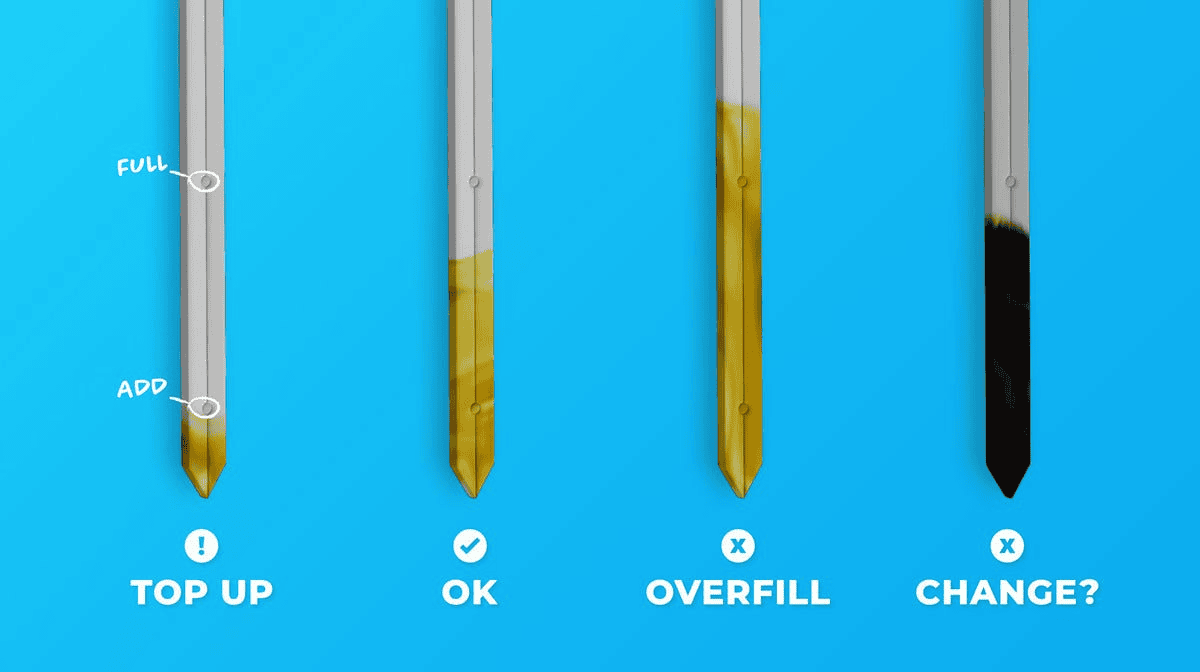
In addition to the oil change time, it is important to check the oil level every few weeks using the **Dipstick**. The oil level should be between the Min and Max marks. If the level is low, you should add the type of oil recommended by the manufacturer. Also, if the oil color is very dark black or has a milky brown appearance (a sign that water or coolant has mixed with it), get a service immediately.
If you frequently drive in heavy traffic areas, changing the oil by prioritizing the **time interval** (such as every 6 months) over the distance is the best way to protect your engine.

Written by
Nisaga Sandaru
A versatile and highly experienced professional, currently an Automobile undergraduate at the University of Jaffna, with strong technical expertise grounded in hands-on work as a technician with SriLankan Airlines Ground Support Equipment (GSE). Holding an Automobile NVQ Level 3 qualification, along with specialized certifications in Vehicle ECU Programming and Diagnosis, and extensive experience in arc welding and vehicle body painting, and well equipped to handle complex automotive, diagnostic, and fabrication-related tasks with a high level of competence.