How Often Should You Change Your Oil

Regular oil changes are the cornerstone of vehicle maintenance, crucial for ensuring the longevity and efficiency of your engine. However, with evolving automotive technology and varying advice from manufacturers, determining the optimal frequency for oil changes can be a challenge. This blog post aims to demystify oil change intervals, helping you keep your vehicle running smoothly while avoiding unnecessary maintenance costs.
Understanding Oil's Role
Engine oil serves multiple critical functions: it lubricates moving parts, minimizes wear, dissipates heat, and helps keep the engine clean by preventing build-up of sludge and varnish. Over time, oil breaks down and becomes less effective due to heat, pressure, and contamination from engine residue and external dirt. Regularly replacing your engine oil and filter is vital to protect your engine and ensure its peak performance.
Traditional vs. Modern Guidelines
Traditionally, the rule of thumb was to change the oil every 3,000 miles or every 3 months, whichever came first. However, advancements in oil technology and engine design have extended this interval significantly. Many modern vehicles, equipped with synthetic oils and more efficient engines, can safely extend oil change intervals to 5,000, 7,500, or even 10,000 miles without compromising engine health.
Manufacturer Recommendations
The best starting point for determining your vehicle's oil change frequency is the owner's manual. Automakers provide specific recommendations based on the engine design, oil type (synthetic vs. conventional), and anticipated vehicle use patterns. Following these guidelines not only ensures optimal engine performance but also upholds any manufacturer warranties.
Factors Influencing Oil Change Intervals
Driving Conditions: Frequent short trips, extensive idling, or driving in extreme conditions (hot, cold, or dusty environments) can necessitate more frequent oil changes.
Type of Oil:
Synthetic oils offer longer life and better performance under extreme temperatures than conventional oils, allowing for longer intervals between changes.
Engine Age:
Older engines may benefit from more frequent oil changes to compensate for increased wear and less efficient oil consumption.
Performance Needs:
High-performance vehicles or those used for towing may require more frequent oil changes due to the increased demands on the engine.
Signs You Need an Oil Change
Oil Color and Texture:
Dark, dirty, or gritty oil indicates it's time for a change.
Engine Noise: Increased engine noise or knocking sounds can suggest the oil is no longer providing adequate lubrication.
Oil Level Drops:
If you're topping off your oil frequently, it's a sign that your engine is either consuming or leaking oil, necessitating a closer look.
Warning Lights:
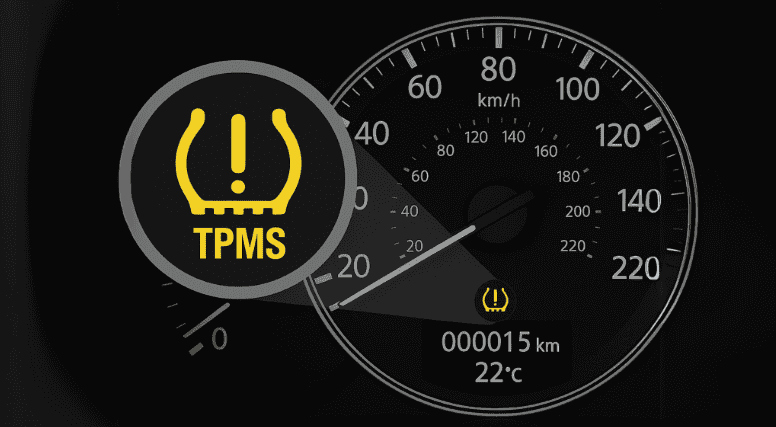
Modern vehicles are equipped with oil life monitoring systems. An illuminated oil change light should not be ignored.
Regular oil changes are a non-negotiable aspect of vehicle maintenance, essential for protecting your engine and ensuring its longevity. While modern vehicles and synthetic oils have extended the intervals between oil changes, adhering to your manufacturer's recommendations, considering your driving habits, and staying attuned to the signs of aging oil are key to maintaining engine health. Ultimately, investing in regular oil changes is a small price to pay for the assurance of a smoothly running vehicle and the avoidance of costly engine repairs down the line. Remember, when it comes to oil changes, regularity is key—not just for your vehicle's performance today but for its enduring health over the miles ahead.

Written by
Nipuna Marasinghe