How to Do a Jump Start Properly?

We can never predict when a vehicle might stop. If a vehicle has a problem, we usually take it to a mechanic. But if the issue is a dead battery, how do we get the vehicle started again? That’s where a jump start comes in. Today, MotorGuide will explain step by step how to do a jump start correctly.
Reasons Why the Vehicle Won’t Start
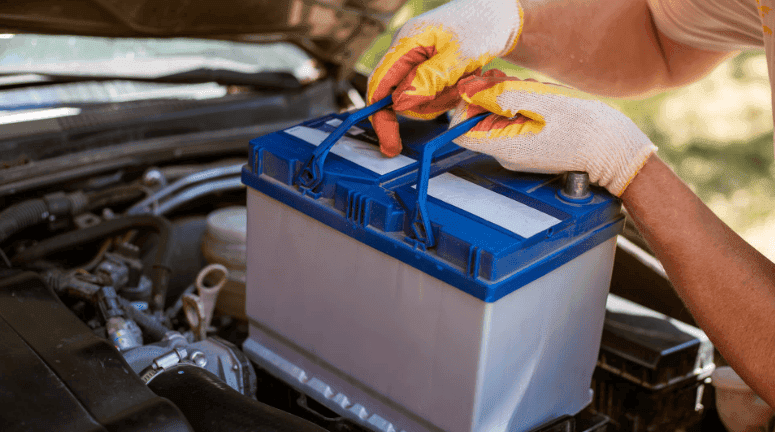
A weak or dead battery can stop your vehicle from starting. Common reasons include:
- Loose battery terminals
- Oxidation or corrosion on the battery terminals
- Lack of battery water (in non-maintenance free batteries)
- Low battery charge
Things to Keep in Mind Before Jump Starting
When the battery is low, you can either charge it or jump start it. If you choose to jump start, make sure you:
- Use a good quality jumper cable
- Choose a cable that matches the ampere rating of your vehicle’s battery
- Use a donor vehicle with a battery of a similar ampere rating
Step-by-Step Guide to Jump Start
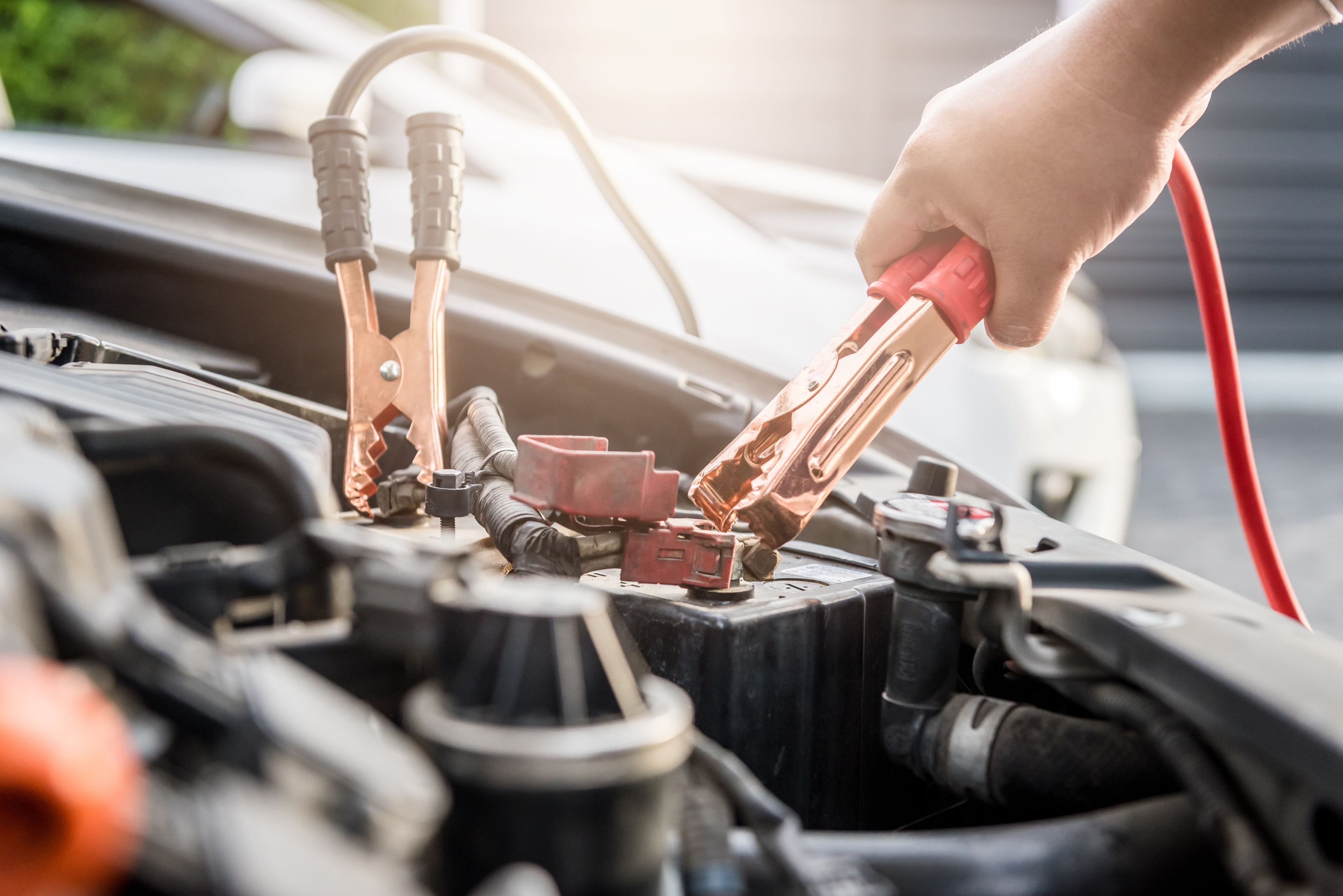
To perform a jump start, you need either a fully charged battery or another vehicle with a charged battery. Follow these steps carefully:
- Connect the positive (+) terminal of the charged battery to the positive terminal of the dead battery.
- Connect the negative (–) terminal of the charged battery to the engine body (a metal surface) of the vehicle with the dead battery.
Do not connect it directly to the dead battery’s negative terminal — this is a common mistake. - Start the donor vehicle and let it run for at least 5 minutes. This allows some charge to pass into the dead battery.
- After waiting, try starting the vehicle with the dead battery.
Important Tip
Never rush to start the dead vehicle immediately after connecting the cables. Waiting those few minutes allows the battery to gain some charge, which protects the electrical system and extends the life of the battery.
This is the correct way to do a jump start. If you’ve been doing it incorrectly until now, make sure to switch to the proper method to protect both your battery and your vehicle’s electrical circuits.

Written by
Nipuna Marasinghe