Mandatory NVQ Standardization for Auto Mechanics and Garages in Sri Lanka 2026

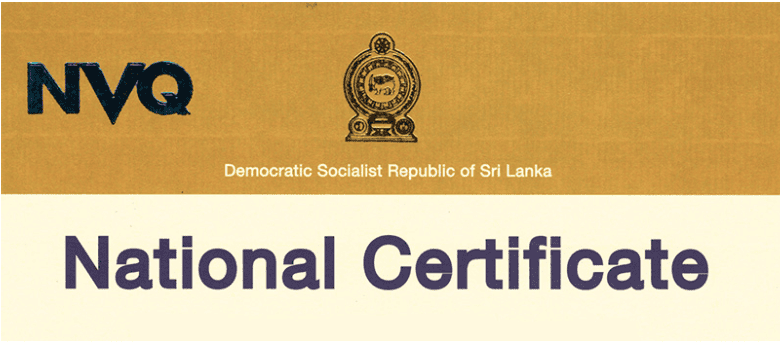
Today at Motor Guide, we are discussing a highly crucial and exceptional topic that everyone involved in Sri Lanka's automotive sector—whether you run your own garage or work professionally as an auto mechanic—will have to face in the year 2026. That is the newly introduced professional standardization program, or the new legal framework making the NVQ (National Vocational Qualification) certificate mandatory for auto mechanics and garages in Sri Lanka. Considering the current vehicle market and advancing technology, this can be identified as an absolutely essential change for the future progress of the industry. Therefore, we are prepared today to clearly and accurately explain what these new rules are, how they will affect your profession, and how you should prepare for them.
The Need for Upgraded Skills in Modern Vehicles
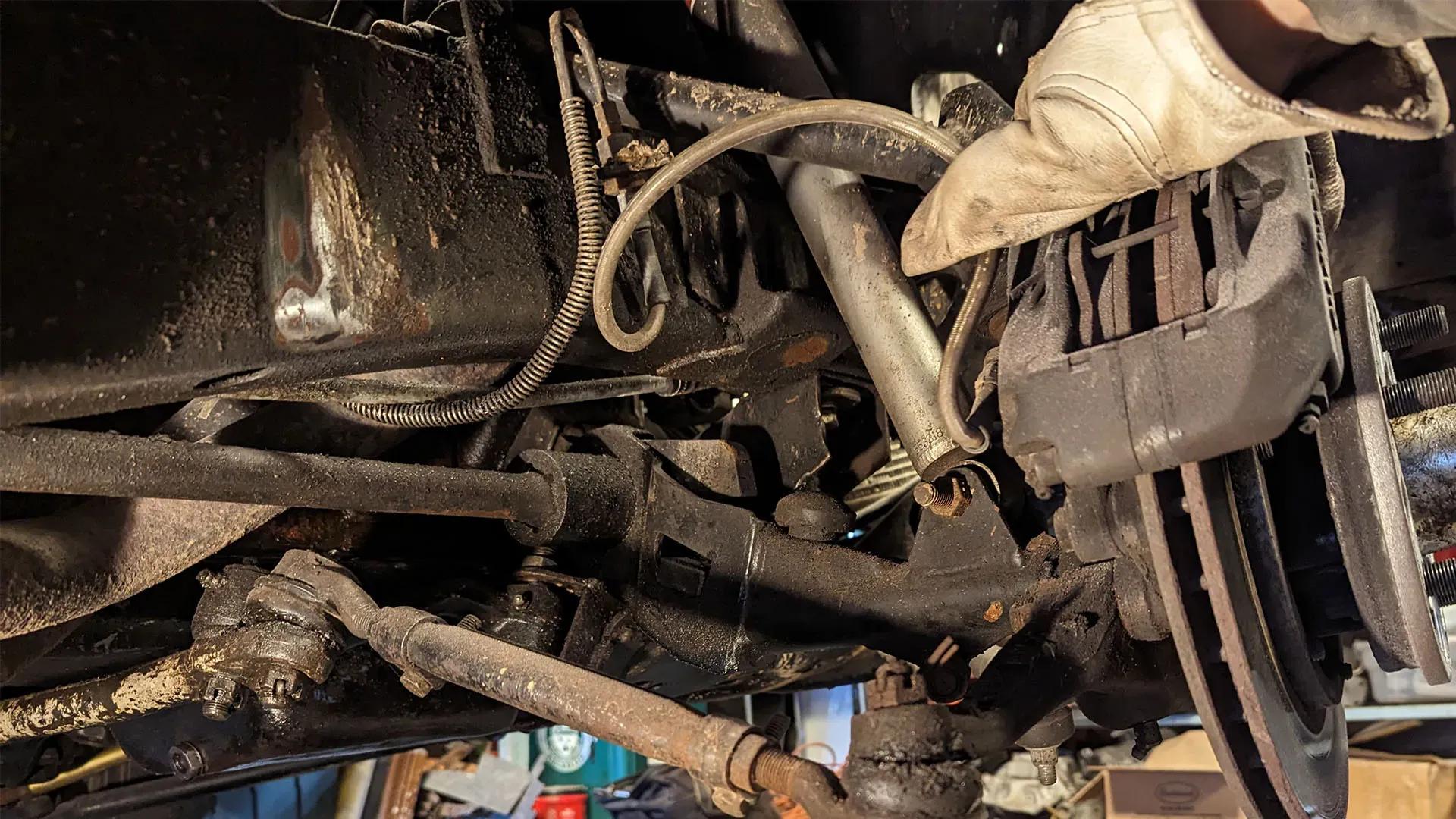
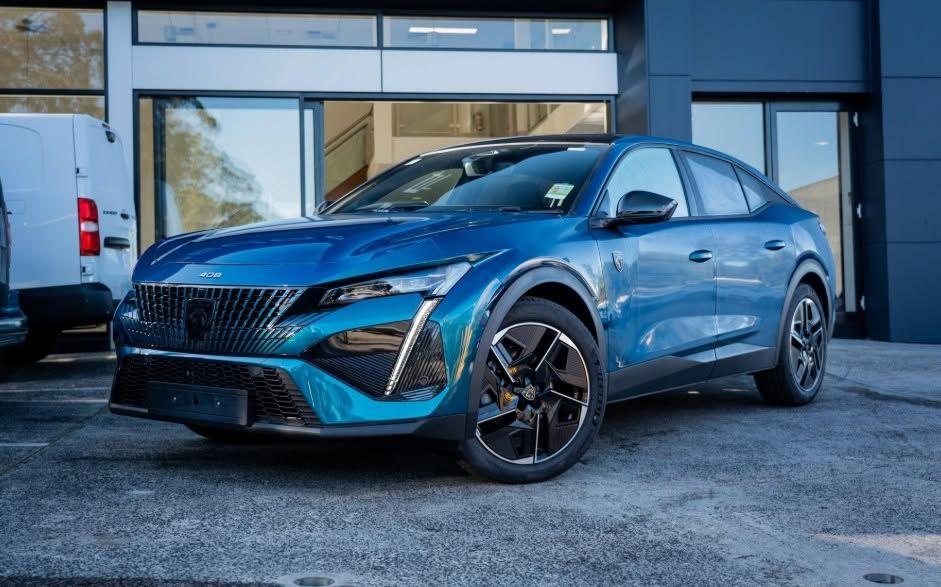
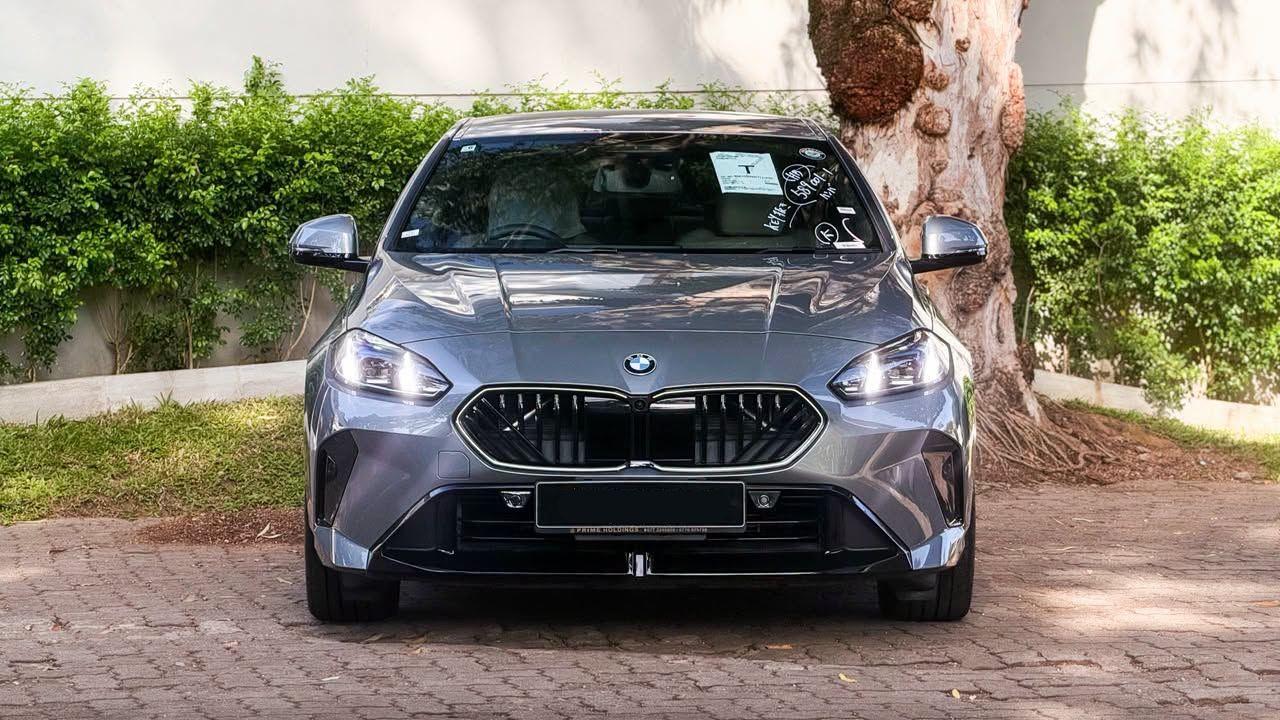
We all know how rapidly vehicle technology has advanced in recent times, both globally and in our country. The vehicles running on the roads today do not rely on simple mechanical systems like they used to. Modern hybrid vehicles, fully electric vehicles (EVs), and vehicles equipped with various sensors and computerized ECU systems are the most common sights today. If someone tries to repair a vehicle with such complex technology without proper understanding, merely guessing or using old traditional trial-and-error methods, it can cause severe damage to the vehicle and pose a massive risk to the lives of the consumers using it.
That is precisely why the Government, the Department of Motor Traffic, and other responsible institutions have joined forces to take steps to make it mandatory for every auto mechanic to hold an NVQ level that certifies their qualifications, starting from the year 2026.
RPL: Recognizing Existing Experience
As professionals in this field, the biggest shortcoming we constantly see is that the majority of our mechanics do not have a recognized government certificate to prove to the country or the world that they are skilled professionals, despite having years of working experience and immense practical knowledge. This new standardization provides a massive solution to that problem.
The fear many have is whether they will have to go to a technical college and study from scratch. However, there is no need to fear that, because the government has introduced a mechanism called RPL (Recognition of Prior Learning). This means they will only test your existing professional experience and practical knowledge, and based on that evaluation, you can directly obtain the relevant NVQ level certificate. However, those who are entirely new to the field will mandatorily have to follow a course at a recognized institution to obtain this certificate.
Mandatory Garage Registration and Grading
It's not just mechanics; under this new law, every motor garage operating in Sri Lanka must mandatorily be registered and graded. The license required to continue operating the garage will be issued only after considering factors such as the available space in the garage, the modern tools used, computerized diagnostic equipment, safety facilities for the workers, and the NVQ certificate levels of the head mechanics working there.
The expectation behind this is to regulate places that operate by the roadside without any standards, unsafely, causing harm to the environment or damaging vehicles. These new laws have made provisions to take strict legal action and impose hefty fines on places that repair vehicles without proper licensing and standards in the future.
Benefits for the Industry and Mechanics
There are numerous benefits and advantages that the entire automotive industry and mechanics will gain from this new program. The first thing is that it builds massive trust among consumers when handing over their vehicles to a garage. They will know that their valuable vehicle is being repaired by a government-certified mechanic with proper standards.
Additionally, because this NVQ certificate is an internationally recognized qualification, our skilled mechanics working in Sri Lanka will have a great opportunity to secure high-paying jobs in the Middle East, Europe, or other developed countries. Also, for garage owners, officially standardizing their business makes it much easier to obtain bank loan facilities, deal directly with insurance companies, and secure vehicle repair contracts from large corporations. In short, this elevates the quality and professional dignity of the entire sector to a higher level.
Motor Guide's Final Advice
Motor Guide's advice is that we should never look at this new professional standardization and mandatory NVQ law as an obstacle or a nuisance. We must see this as a highly valuable opportunity provided to elevate the professional standards of motor vehicle mechanics in our country to the highest level. Therefore, those who are already working in the field but do not have any certification should not delay; showcase your experience and take steps to obtain the NVQ certificate under the RPL system.
Technology is not something that stays stagnant. Especially as we reach this year of 2026, the automotive world is completely transforming. So, to move forward with that changing technology, it is essential to constantly update our knowledge as well as our professional qualifications. By working with proper certification and standards, you can maximize your professional security as well as consumer trust.
And don't forget to always stay tuned with Motor Guide to learn more valuable information like this about modern vehicles and technology!
Written by
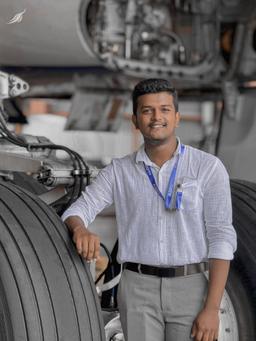
Nisaga Sandaru
A versatile and highly experienced professional, currently an Automobile undergraduate at the University of Jaffna, with strong technical expertise grounded in hands-on work as a technician with SriLankan Airlines Ground Support Equipment (GSE). Holding an Automobile NVQ Level 3 qualification, along with specialized certifications in Vehicle ECU Programming and Diagnosis, and extensive experience in arc welding and vehicle body painting, and well equipped to handle complex automotive, diagnostic, and fabrication-related tasks with a high level of competence.