Things You Should Never Do in an Auto Gear Vehicle

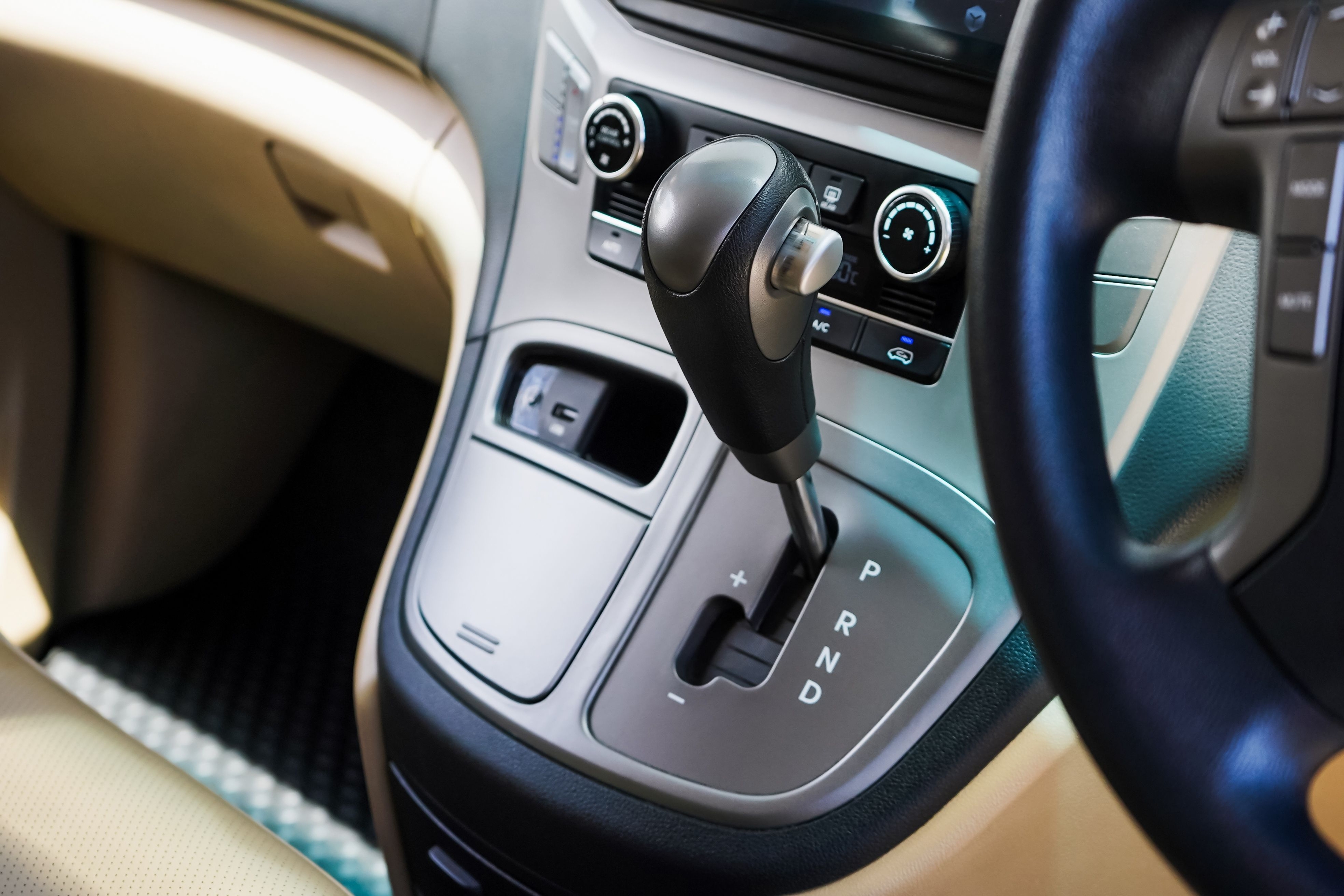
Today, we are going to discuss several very important things you should not do in order to extend the lifespan of your Auto Gear vehicle and minimize unnecessary repair costs. It is crucial to keep these points in mind at all times.
Shifting to 'Reverse' (R) or 'Park' (P) before stopping completely.
Do not shift from 'Drive' (D) to 'Reverse' (R) or 'Park' (P) without bringing the vehicle to a complete halt. Shifting the gear to 'R' or 'P' while the vehicle is moving forward or has not completely stopped can cause immediate and severe damage to the transmission system. In the Park gear, a locking pin holds the vehicle's wheels. If you shift into 'P' while moving, that pin can break or wear out, or cause damage to other parts of the transmission.
Shifting to 'Neutral' (N) at traffic lights or short stops.
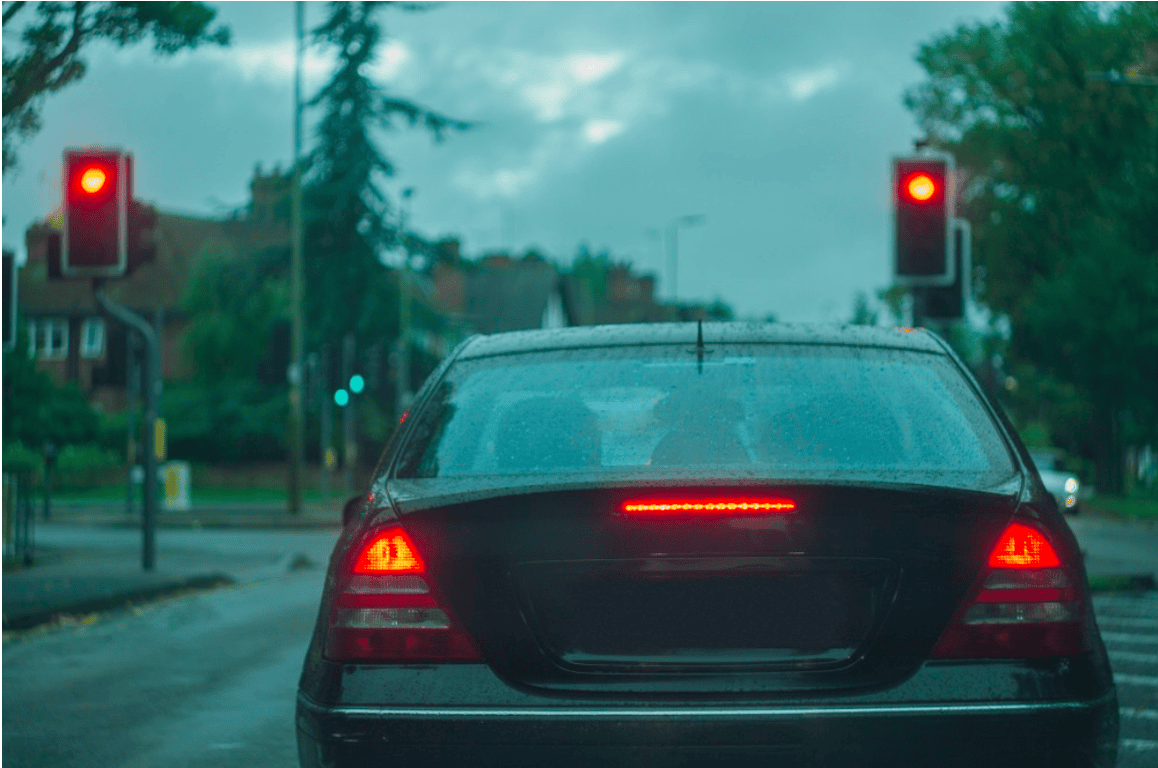
It is not necessary to put the gear into 'Neutral' (N) at traffic lights or when the vehicle is stopped for a short time. Frequently shifting from 'D' to 'N' and back to 'D' in an auto gear vehicle can cause transmission parts to wear out quickly and overheat. Even if you think it saves fuel, the amount saved is negligible, whereas the potential damage to the transmission is far greater.
Coasting downhill in 'Neutral' (N).
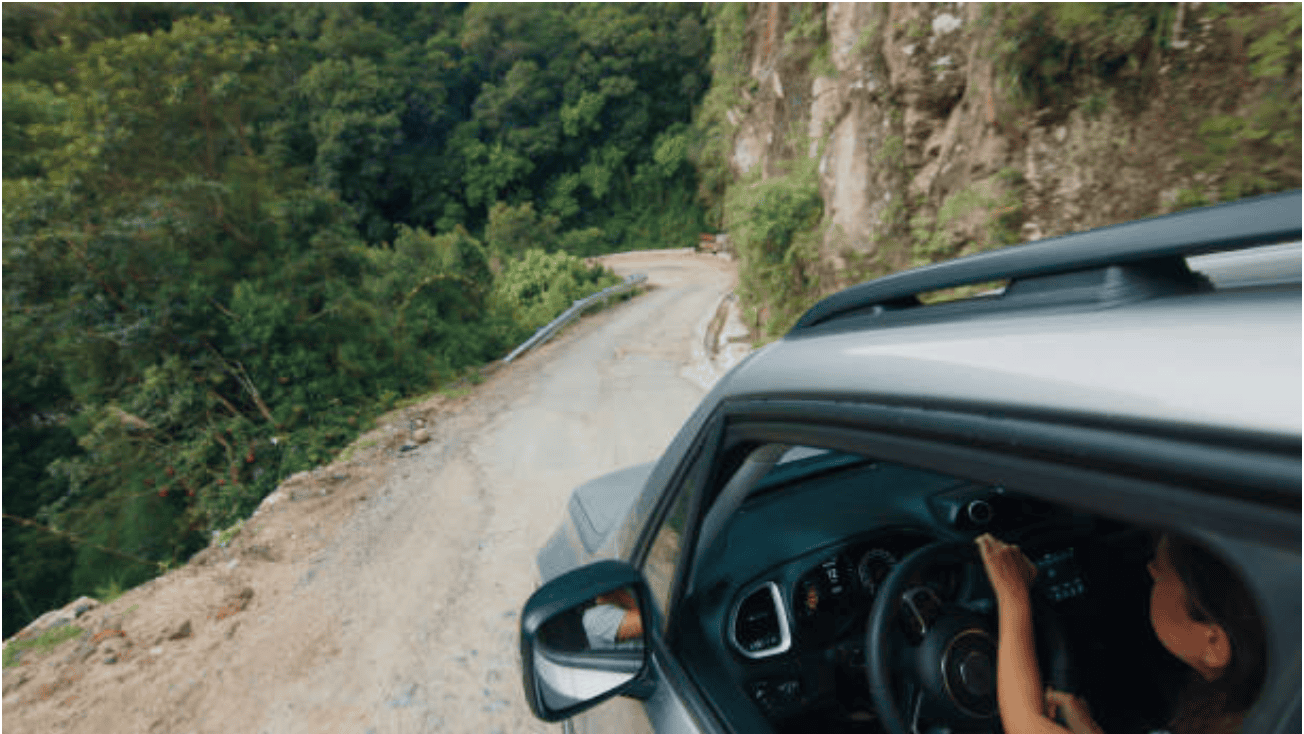
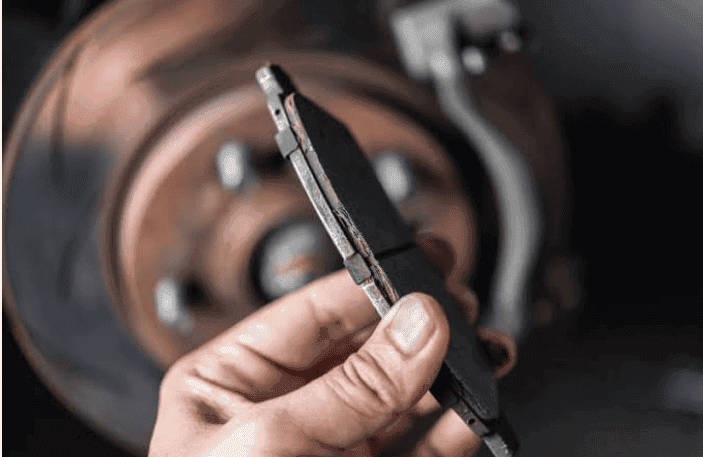
Do not drive in 'Neutral' (N) when going down steep hills. When coasting in 'N', the entire weight of the vehicle is placed on the Brake System. This can cause Brake pads to wear out quickly, the Brake drum/disc to overheat, and result in reduced braking performance. Instead, use a lower gear like 'L' (Low), '2', or '3' to utilize Engine Braking, allowing you to descend safely and with less strain on the brakes.
Pressing the Accelerator while the Brake is pressed.
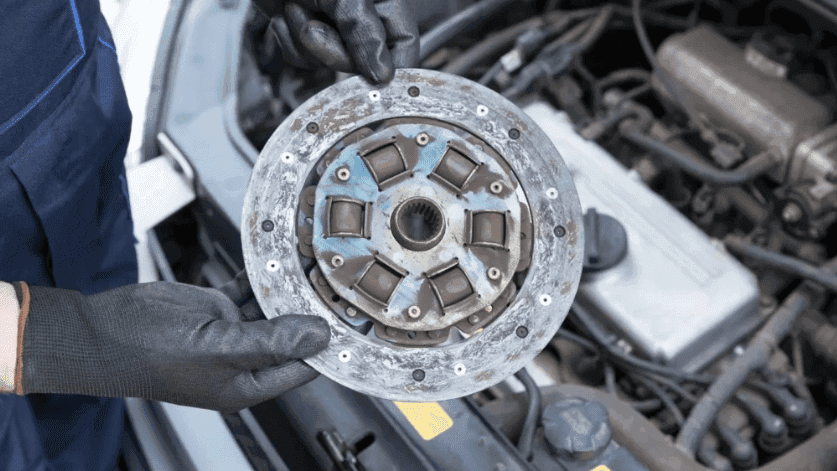
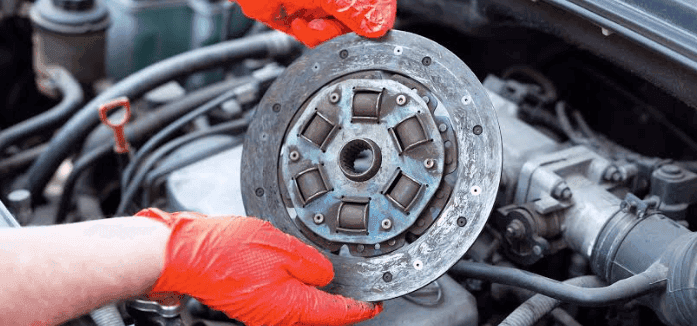
Never press the accelerator (Gas Pedal) while the Brake Pedal is depressed. Some drivers do this to get more power or to launch quickly ("Launch Control" style). However, this damages the clutch components within the transmission, subjects them to overheating, and reduces their lifespan. Modern vehicles may have safety mechanisms that cut off the accelerator if the brake is pressed.
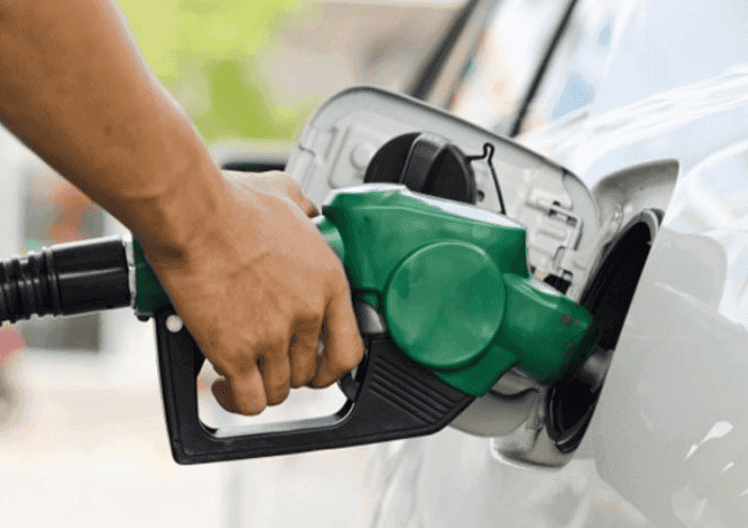
Driving until fuel is almost empty.
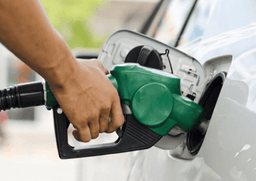
Do not continue driving while the Fuel Light is on. Dust, debris, or water droplets at the bottom of the Gas Tank can get drawn into the Fuel Pump, potentially clogging or damaging it. Since the fuel pump relies on the fuel itself for cooling, the emptier the tank, the hotter the pump gets, which can lead to premature failure.
Not checking Transmission Oil regularly.
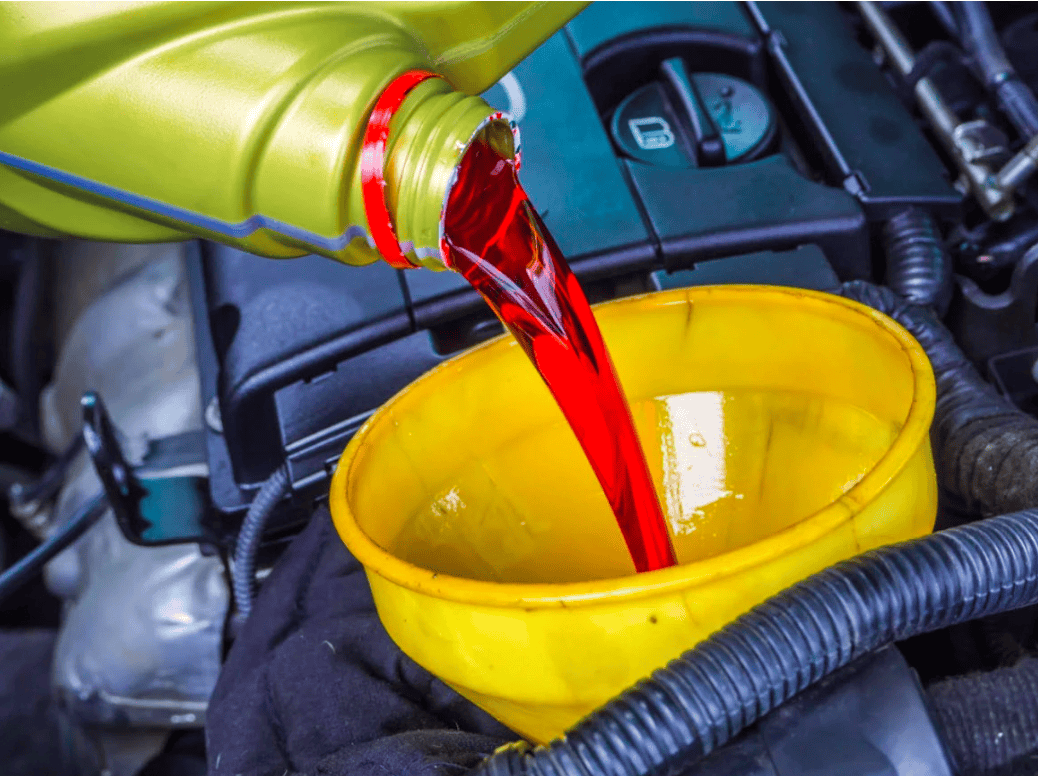
Just like Engine Oil, it is essential to properly check the level and condition of the Transmission Fluid/Oil. Low transmission fluid levels or contaminated fluid can cause the gearbox to overheat, increase friction, and accelerate the wear of components, leading to major repairs. Ensure you change the transmission fluid at the recommended intervals according to your Owner's Manual.
Driving at high speeds before the engine reaches optimal temperature.
Do not drive at high speeds or put heavy stress on the engine immediately after starting the vehicle. With a cold engine, the Transmission Fluid and Engine Oil have not yet reached the proper temperature or viscosity. This means lubrication does not happen correctly, and transmission parts wear out faster. Especially after starting the vehicle in the morning, drive at a low speed for a minute or two to allow the oil to circulate properly.
Riding the Brakes.
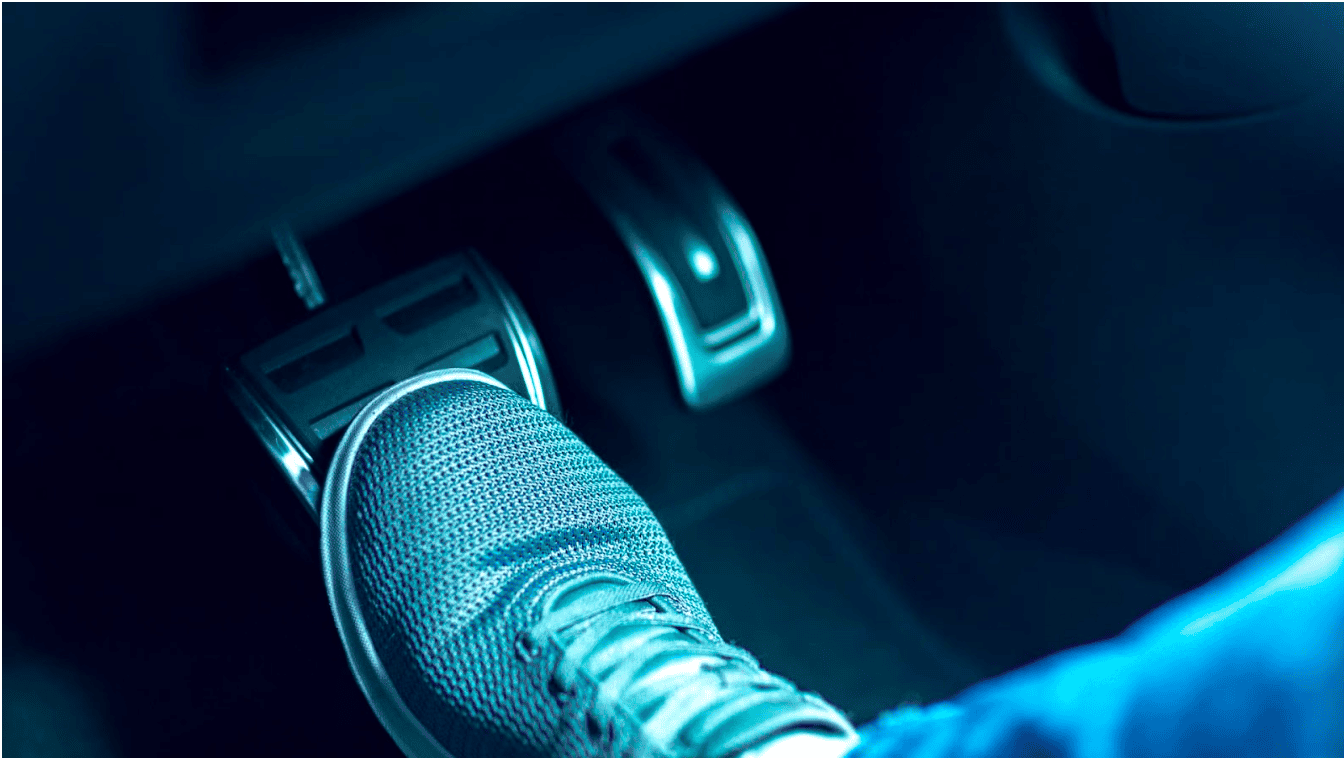
Resting your foot on the Brake pedal while driving is something you should not do. Even if you are not consciously pressing the brake, the weight of your foot on the pedal can cause the brakes to engage slightly. This leads to overheating of the brake system, premature wear, and eventually, a dangerous reduction in braking efficiency (Brake Fade).
Rapidly shifting between 'D' and 'R' when wheels are spinning.
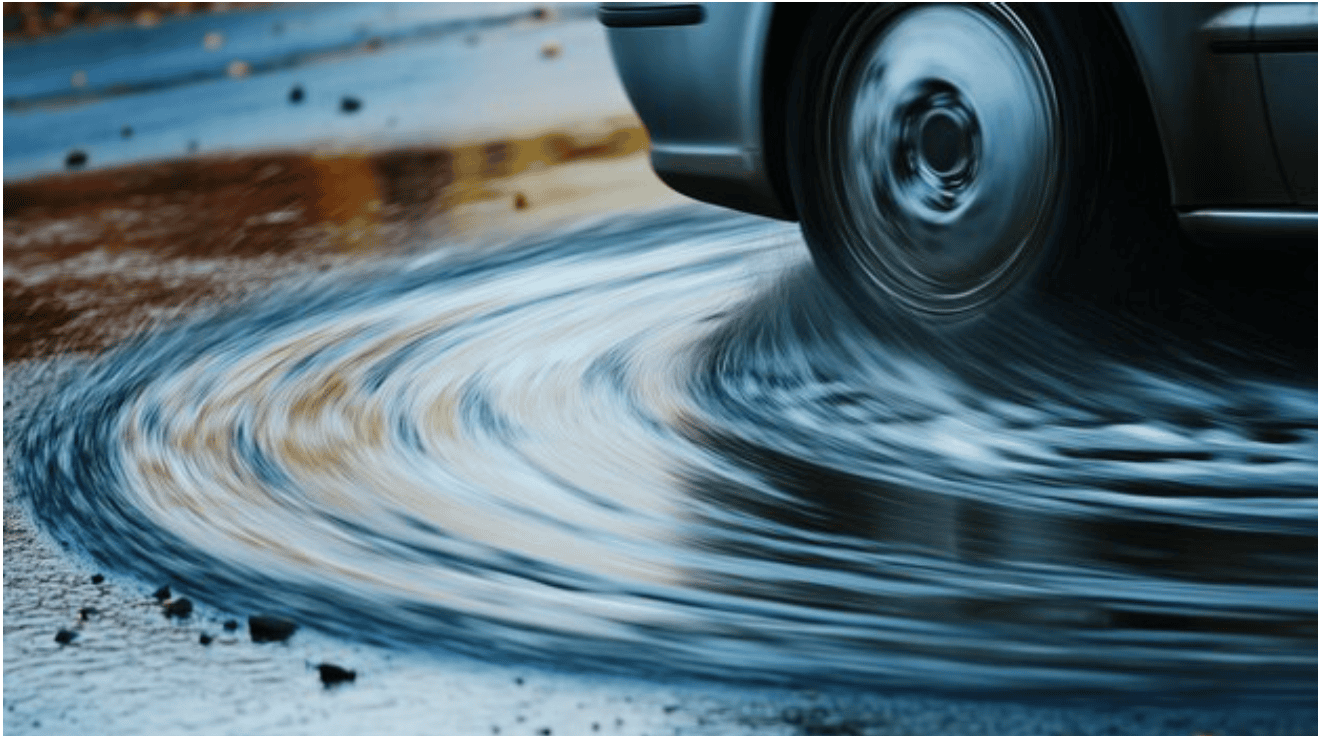
When stuck in a mud pit or snow with wheels spinning, do not shift rapidly between 'Drive' (D) and 'Reverse' (R) to try and regain control. Although this practice is called "Rocking," if the vehicle has not completely stopped while you are shifting gears, it can send a massive "Shock" to the transmission system and cause damage. In such situations, ensure the vehicle comes to a complete stop before shifting to each gear.
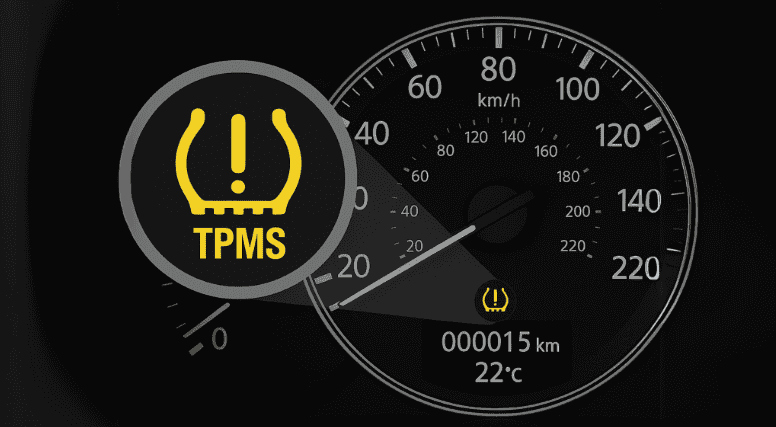
Driving for a long time with a Spare Tire.
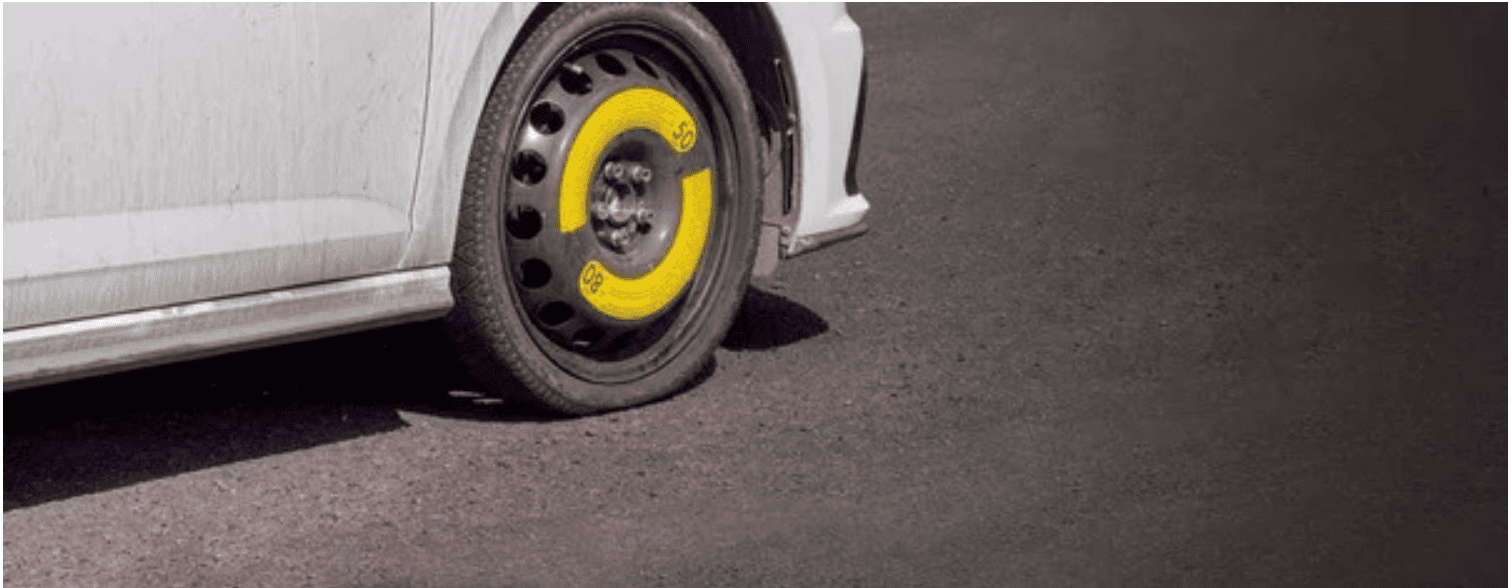
Do not drive long distances or at high speeds when a small temporary spare tire, known as a "Donut," is fitted. This temporary tire may be of a different size than the standard wheel. In some vehicles (especially All-Wheel Drive - AWD/4WD), the difference in wheel diameters can put unnecessary stress and wear on the transmission system and the differential. Try to install a standard tire as soon as possible.
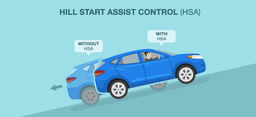
Not applying the Handbrake before shifting to 'P' (Park).
Always apply the Handbrake/Parking Brake after stopping the vehicle and before shifting the gear to 'Park' (P). If you shift to 'P' without applying the handbrake, the entire weight of the vehicle rests on the locking pin in the transmission, which can cause it to wear out quickly or break.
The correct method is:
- First, press the foot brake.
- Second, shift the gear to 'Neutral' (N).
- Third, pull/engage the Handbrake firmly (now the vehicle's weight is on the handbrake).
- Next, while keeping your foot on the brake, shift the gear to 'Park' (P).
- Now, remove your foot from the brake.
By following these correct habits, you can minimize major damage that could occur to your auto gear vehicle's transmission system.
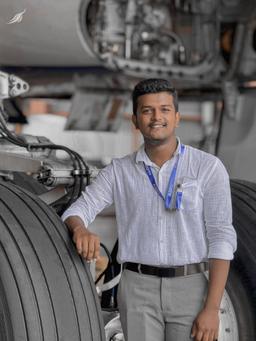
Written by
Nisaga Sandaru
A versatile and highly experienced professional, currently an Automobile undergraduate at the University of Jaffna, with strong technical expertise grounded in hands-on work as a technician with SriLankan Airlines Ground Support Equipment (GSE). Holding an Automobile NVQ Level 3 qualification, along with specialized certifications in Vehicle ECU Programming and Diagnosis, and extensive experience in arc welding and vehicle body painting, and well equipped to handle complex automotive, diagnostic, and fabrication-related tasks with a high level of competence.