Solutions to Fix a Car Burning Oil

We buy a vehicle hoping to be happy. However, if the vehicle starts consuming more oil for various reasons, we face big problems. So, are you frustrated because your vehicle is burning too much oil? Well, from today onwards, you don't have to worry about your vehicle burning too much oil. Because today, MotorGuide is telling you about how oil burns in a vehicle and a few things you can do about it.
How Does Oil Burn in an Engine?
External Oil Combustion
Oil is an essential component within an engine. However, we often see leaks due to excessive wear of the oil seal or gasket, or exposure to high temperatures. External oil combustion
- Oil filter
- Drain plug
- Pan
- Filler cap
- Cooler lines
occurs from parts like these. Also, when oil leaks from the engine, the exterior of the engine becomes extremely hot, creating a burning oil smell.
Internal Oil Combustion
You might have seen blue smoke coming from the exhaust when starting the vehicle. The piston rings in the combustion chamber help to retain engine oil. If the piston wears due to poor maintenance, a small amount of oil heats up during the combustion process. This produces the blue smoke. Another internal oil combustion problem could be a malfunctioning PCV system. This system handles a small amount of the air-fuel mixture that enters the crankcase when the engine is running.
How to Know if Your Vehicle is Leaking Oil?
- There are several ways to know if your vehicle is leaking oil. You might smell burning oil when you drive the vehicle. This happens when engine oil leaks externally.
- As mentioned for internal leaks, blue exhaust smoke is another indication that your car is burning oil. This blue smoke is often seen when your car is first started or when accelerating from a stop.
- The third way to know if your vehicle is leaking oil is low oil pressure. If your vehicle is equipped with a warning light, this might frequently appear even if fuel was recently added.
How to Check Engine Oil?
Every morning, before starting the vehicle, pull out the dipstick and check if the engine oil is at the correct level. There's no point in checking the oil after the engine has been running or when it's hot. This is because when the engine is running, oil circulates to all parts of the engine. At that time, there will be less oil in the oil sump. Therefore, checking the oil in a hot or running engine is pointless. The most effective way is to check the oil in the morning in a vehicle that has been parked overnight.
Reasons for Excessive Oil Consumption and Steps to Prevent It
Faulty Sensors and Dirty Air Filters
Faulty sensors and dirty air filters reduce the vehicle's fuel efficiency. Oxygen sensors regulate the amount of air supplied to the cylinders. Having faulty oxygen sensors also impairs fuel efficiency. Therefore, faulty sensors and dirty air filters should be replaced. Then you can increase your vehicle's fuel efficiency.
Faulty Spark Plug
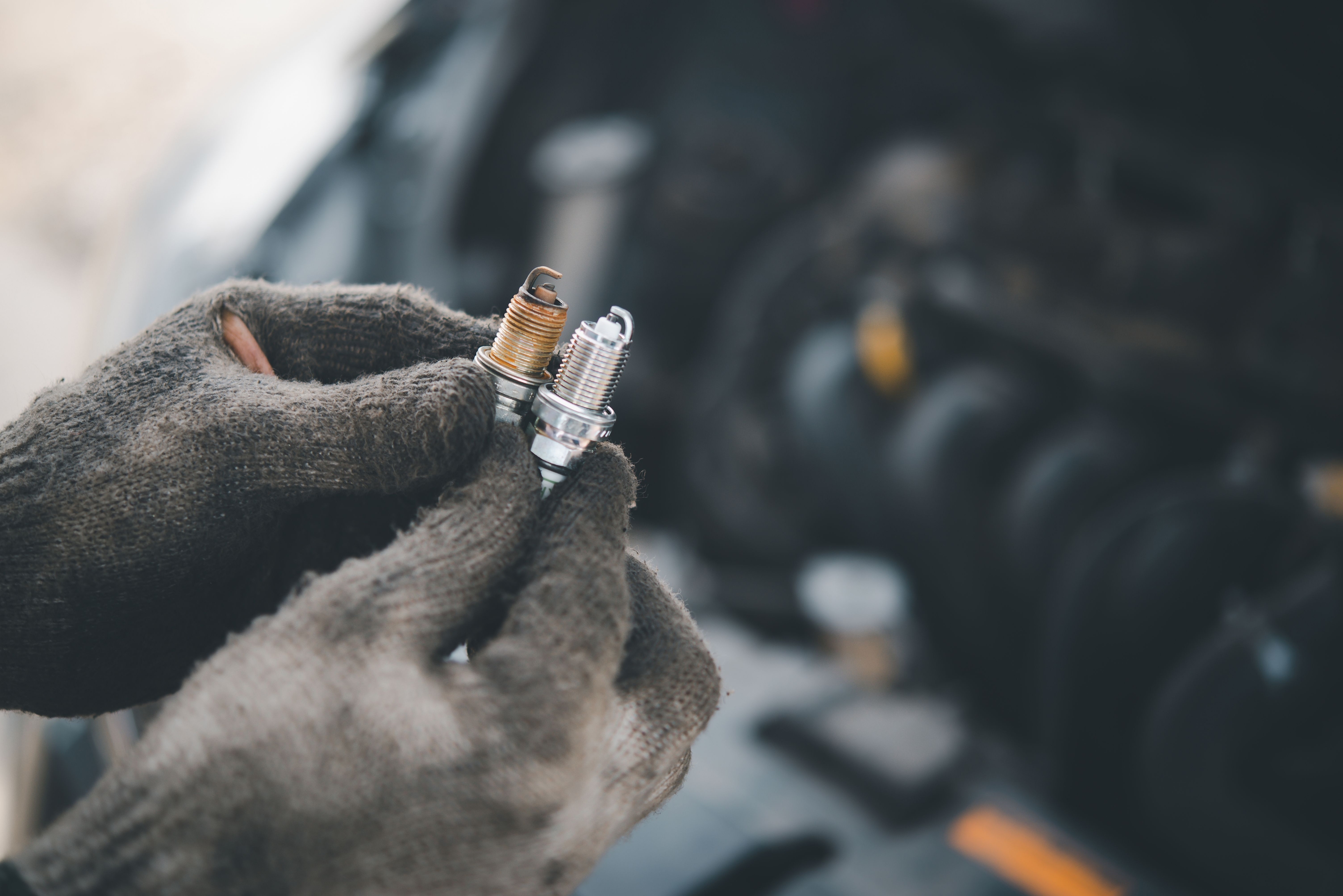
A spark plug is an electrical device used to produce a spark that ignites the air-fuel mixture in the combustion chamber of an internal combustion engine. Spark plugs play a big role in maintaining a vehicle's fuel efficiency. Spark plugs are essential for the combustion of fuel and air in a vehicle. When there are faulty spark plugs, this process does not occur correctly. And it also reduces fuel efficiency.
Due to these reasons, if your vehicle has faulty spark plugs, get them replaced.
Injector Faults
The injector supplies the necessary fuel to the engine. If fuel leaks out from these injectors, the amount of fuel supplied to the engine decreases. This also reduces engine efficiency. If you repair the injector, you can reduce fuel consumption.
Starting the Vehicle and Leaving it in One Place
This is a mistake that happens on your part. Do you start the vehicle and stay in the same place for a while? Leaving a vehicle in the same place after starting it reduces fuel efficiency. Normally, you should start driving the vehicle within 30 seconds to a minute after starting it. In such a situation, put the vehicle in neutral. Then you can increase fuel efficiency and reduce fuel consumption.
Engine Oil
Engine oil is another factor affecting fuel efficiency. Engine oil is used to reduce friction and facilitate the smooth operation of moving parts in the engine. Therefore, changing the vehicle's engine oil at the proper time can increase fuel efficiency.
AC
If you drive the vehicle at high speeds with the windows down, it increases fuel consumption. In such a high-speed situation, drive with the windows closed and the AC on. Similarly, if you are driving slowly, turn off the AC and lower the windows a bit. This way you can reduce fuel consumption.
So, is your vehicle burning too much oil? Then definitely keep these things in mind. Also, don't forget to try these things out. If you do these things correctly, you will be able to reduce excessive oil consumption and drive your vehicle happily.

Written by
Nipuna Marasinghe