The Damage Caused to Fuel and the Engine by Idling a Vehicle


Keeping a vehicle running while parked—or "idling" as we call it in mechanical terms—is a common habit for many people today. But how many actually know the exact damage this causes to the vehicle's engine and your wallet? It is important to be aware of this from both technical and practical perspectives.
Fuel Wastage and Economic Loss
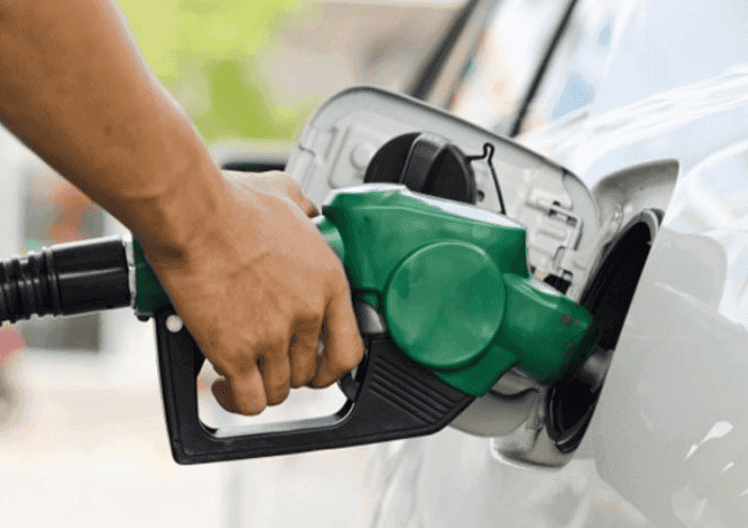
First, let's look at fuel. Many people think that because the vehicle isn't moving, fuel isn't being consumed. But that is not the truth. For every minute a vehicle is kept running, a significant amount of fuel is burned. Generally, if a vehicle with a 1.5-liter engine is idled for an hour, nearly a liter of fuel is wasted for nothing. If you idle your vehicle like this for just 10 minutes a day, by the end of the month, you have released enough fuel to travel many kilometers straight into the air. Therefore, this is clearly a waste of money.
Technical Damage to the Engine
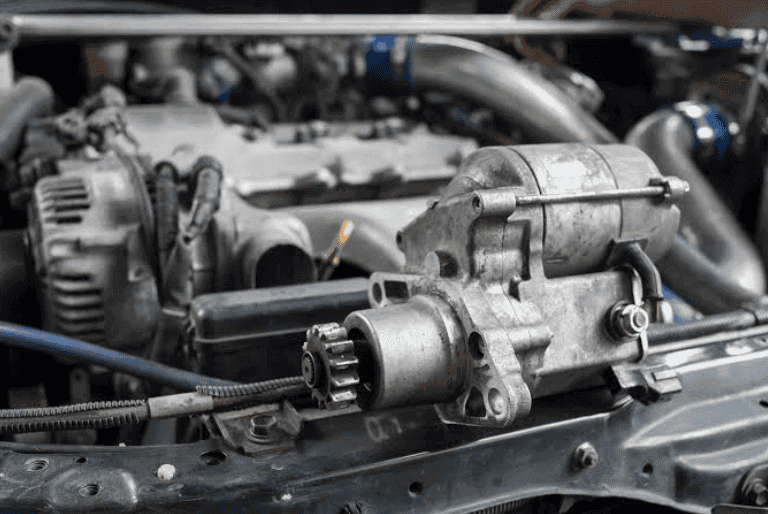
Now let's see what happens inside the engine. When an engine idles, it operates at a very low speed (RPM). During this time, the combustion happening inside the engine is incomplete.
-
Carbon Deposits:
Due to incomplete combustion, layers of carbon start to build up on top of the pistons and around the valves. Because of this, over time, the engine's efficiency drops, and fuel economy decreases even further.
-
Reduction in Engine Oil Lifespan:
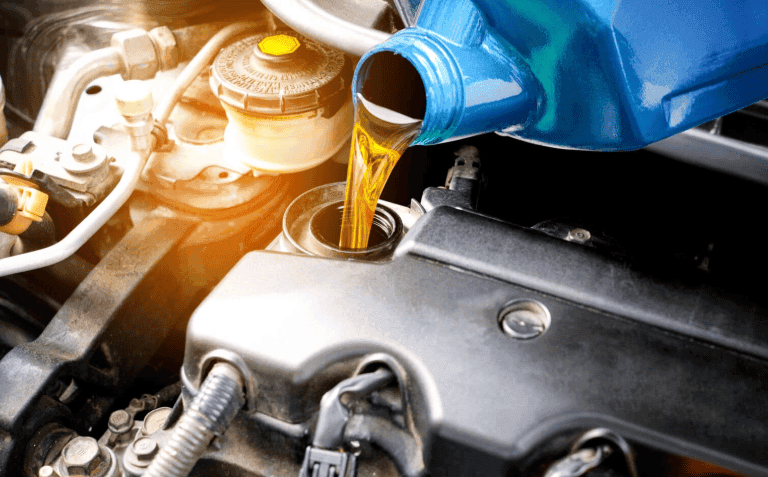
While idling, the engine does not heat up to its optimal operating temperature. Because of this, moisture created inside the cylinders and unburned fuel mix with the engine oil. Consequently, the lubrication property of the oil is lost very quickly. This is a primary reason why your oil degrades even before you reach the designated service mileage.
-
Impact on Spark Plugs:
If it is a petrol vehicle, this carbon buildup causes the tips of the spark plugs to turn black (fouling), and the vehicle will begin misfiring. This can eventually lead to engine starting difficulties.
The Battery and Other Components
Idling the vehicle with the AC on is something many people do. At this time, in addition to the energy required to turn the engine, a heavy load is placed on the AC compressor and the electrical system. When the vehicle is at a low RPM, the rate at which the alternator charges the battery is very low. Therefore, idling for long periods is a major reason for the battery's lifespan to shorten. Additionally, because the radiator fan—which controls engine heating—has to run continuously without the natural airflow of driving, the lifespan of those fan motors decreases as well.
What is the Correct Procedure?
My advice is that if you are going to be stopped in one place for more than a minute, turn off the engine. The "Auto Start-Stop" technology found in newer vehicles is designed for this very reason. Furthermore, there is no need to keep the vehicle running for minutes in the morning just to "warm it up." Keeping it on for about 30 seconds and then starting your journey slowly will warm up the engine much more effectively and safely.
Keep these points well in mind. A vehicle is a major investment; do not let it be ruined for nothing. Saving fuel and extending the engine's lifespan is your responsibility.

Written by
Nisaga Sandaru
A versatile and highly experienced professional, currently an Automobile undergraduate at the University of Jaffna, with strong technical expertise grounded in hands-on work as a technician with SriLankan Airlines Ground Support Equipment (GSE). Holding an Automobile NVQ Level 3 qualification, along with specialized certifications in Vehicle ECU Programming and Diagnosis, and extensive experience in arc welding and vehicle body painting, and well equipped to handle complex automotive, diagnostic, and fabrication-related tasks with a high level of competence.