Things Every Vehicle Owner Should Know

Owning a vehicle is a dream for many people. But buying a vehicle is not enough—maintaining it properly is just as important. A vehicle is a long-term investment, and if not cared for, even a new one can quickly break down. To help you, MotorGuide brings you the essential things you need to know as a responsible vehicle owner.
Know the Year, Make, and Model
The first thing you should know about your vehicle is its year of manufacture, make, and model. Many people overlook this, but it is crucial for repairs, maintenance, and buying spare parts. Vehicle designs and models change every year, so knowing this ensures you get the correct components for your car.
Understand the VIN Code
Every vehicle has a 17-digit Vehicle Identification Number (VIN). This code provides details such as the date of manufacture, location, engine size, and model information. The VIN is also required when dealing with insurance companies or purchasing spare parts. Always keep this number noted for easy reference.
Follow a Maintenance Schedule
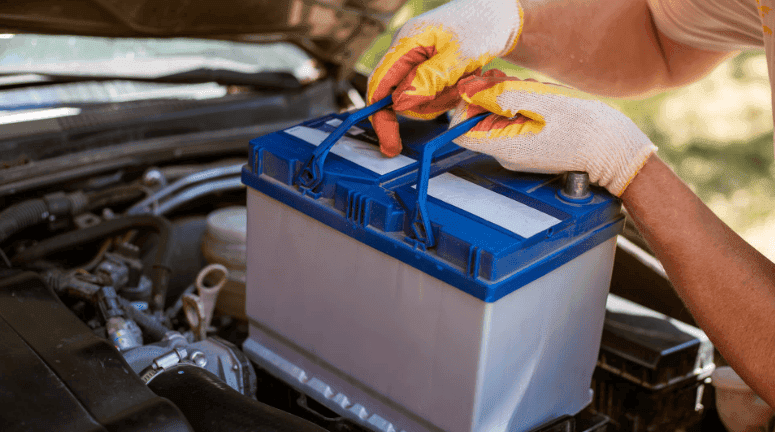
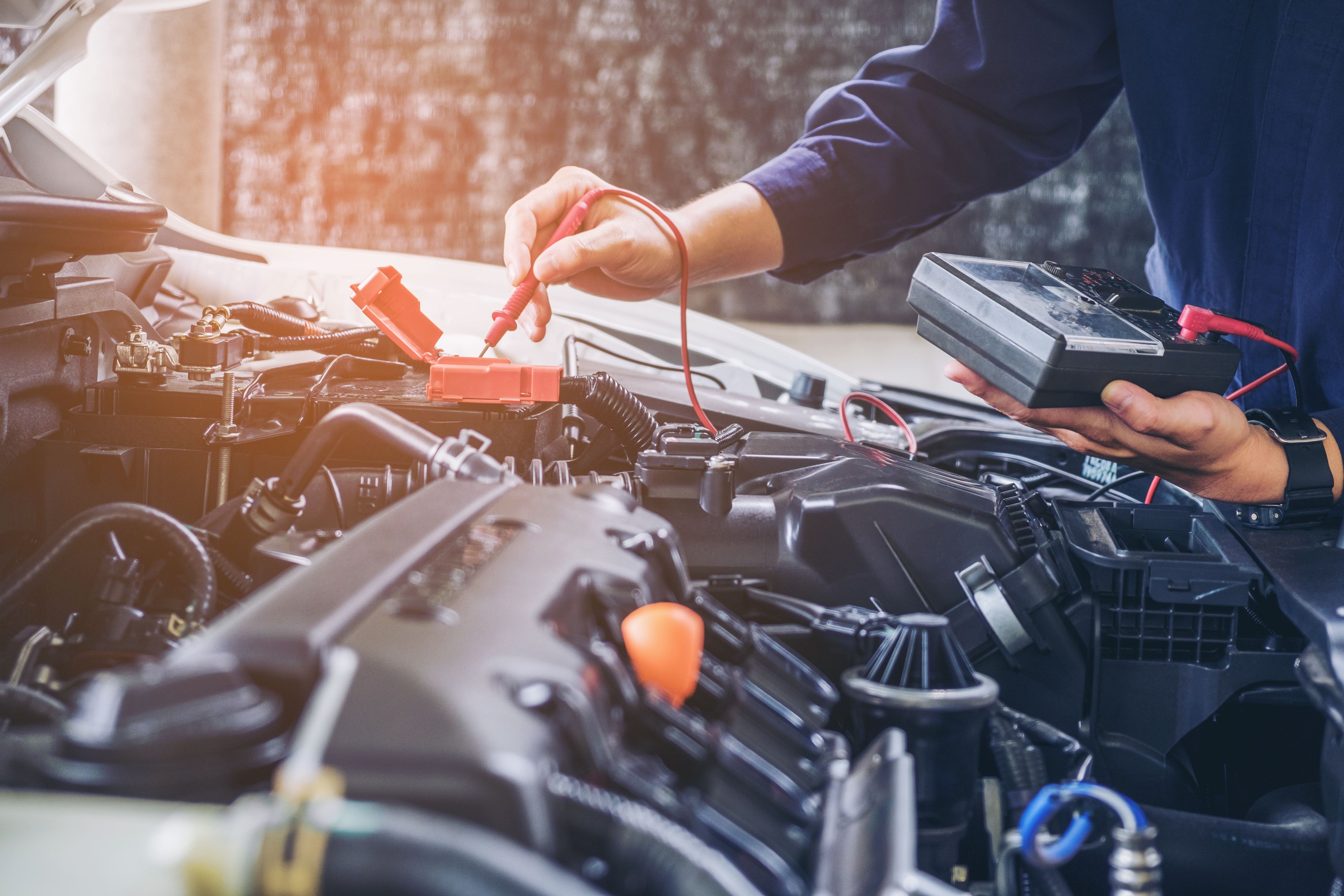
Regular maintenance is the key to long vehicle life. Follow the schedule outlined in your owner’s manual to ensure timely oil changes, fluid checks, tire inspections, and battery checks. Proper maintenance keeps your vehicle running smoothly and prevents costly breakdowns.
Check Tire Pressure
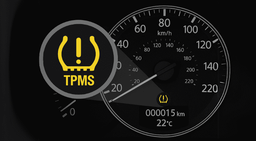
Neglecting tire pressure is a common mistake among vehicle owners. Incorrect tire pressure leads to faster wear and reduced safety. Since tires are expensive, proper care can extend their lifespan—sometimes beyond 50,000 miles.
Learn Dashboard Warning Lights
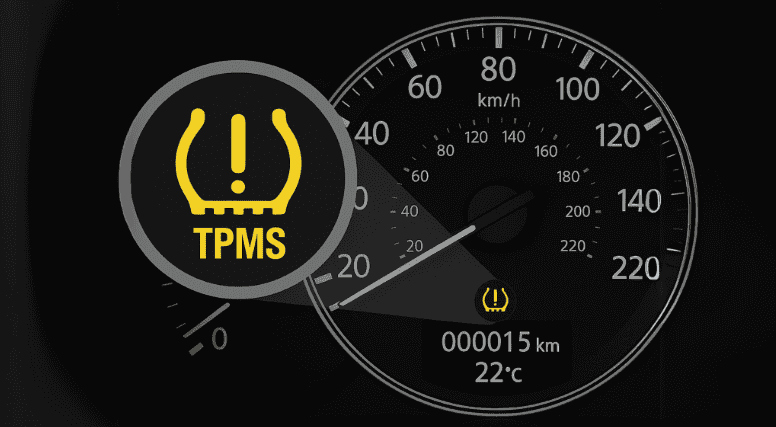
Your dashboard warning lights are your vehicle’s communication system. Though symbols differ across manufacturers, they generally fall into three categories:
- Red: Urgent—get help immediately (often related to safety).
- Yellow: Check as soon as possible (potential issues).
- Green/Blue: Informational, no immediate action required.
Pay Attention to Sounds and Smells
Unusual sounds or smells from your vehicle are warning signs. For example, rattling, squealing, or a burning smell could mean low fuel, lack of oil, or mechanical issues. Never ignore these signals—get your vehicle inspected immediately.
Inspect Your Parking Spot
After parking, check the ground for oil leaks, fluid spots, or unusual tire wear. Spotting these signs early can help you identify hidden problems before they become major repairs.
Check Oil and Water Levels
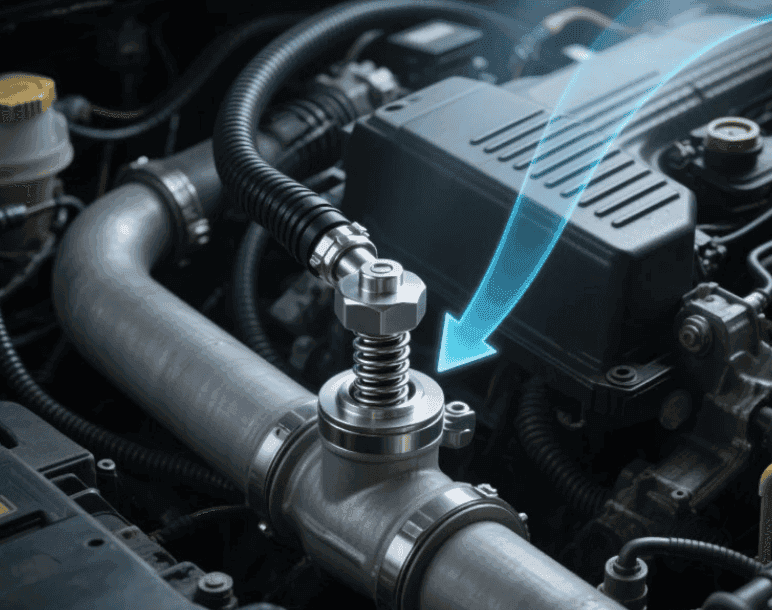
Before driving daily, check your engine oil and coolant (water) levels. Clean, bright oil means your engine is healthy, while dark or dirty oil signals the need for a change. Similarly, keeping coolant levels in check prevents overheating and costly engine damage.
Maintain Safe Distance While Driving
Avoid tailgating. Always maintain a safe distance from the vehicle ahead. If the car in front brakes suddenly, keeping a gap gives you enough reaction time to avoid accidents.
Keep Your Vehicle Clean
Dirt and debris are the hidden enemies of vehicles. A clean interior and exterior not only look good but also prevent mechanical issues. Cleanliness provides a comfortable environment for passengers and protects your vehicle in the long run.
Being a vehicle owner is more than just enjoying the drive—it’s about taking responsibility for proper care and safety. By following these tips from MotorGuide, you can extend the life of your vehicle, save money on repairs, and enjoy peace of mind on the road.

Written by
Nipuna Marasinghe