This Is Exactly How to Wax a Car

Maintaining a vehicle properly is not an easy task. Because we need to pay attention to both technical issues and external aesthetics of a vehicle.
So, when considering the external aesthetics of a vehicle, one thing we can do is regularly wash and clean it to remove dirt and dust. However, just washing isn't enough. To give the vehicle a brand new look, we definitely need to wax it.
Today, through MotorGuide, we will tell you exactly how to wax a car.
Wash the Car
Using mild soap and water, thoroughly clean your car to prepare it for waxing. It's very important to clean the car well before waxing. Because the cleanliness of the car affects the durability of the wax. Also, before applying wax, the car should be thoroughly washed and dried.
Use a polishing compound
For dull, scratched, or otherwise damaged paint, apply a polishing compound and rub the vehicle thoroughly before applying wax. Here, you need to remember to clean the vehicle using a microfiber cloth without applying too much pressure.
Pay attention to temperature
Before waxing, we must definitely pay attention to the temperature. Generally, it is best to wax a vehicle at a temperature between 13°C and 30°C. Because in very hot weather, the wax applied to the car dries instantly, making buffing quite difficult. For this reason, removing the wax can also be difficult.
Be mindful of sunlight
Another thing we need to consider before applying wax is sunlight. Never choose a location with direct sunlight to wax. Always try to choose a shaded area, such as a garage, for this. Especially, try to wax the car in the morning or evening.
Choose the correct type of wax
Get used to using a high-quality wax for your car. Even if it's a bit expensive, try to use the best product. It helps maintain the durability of your vehicle's paint for a long time.
Use the right amount of wax
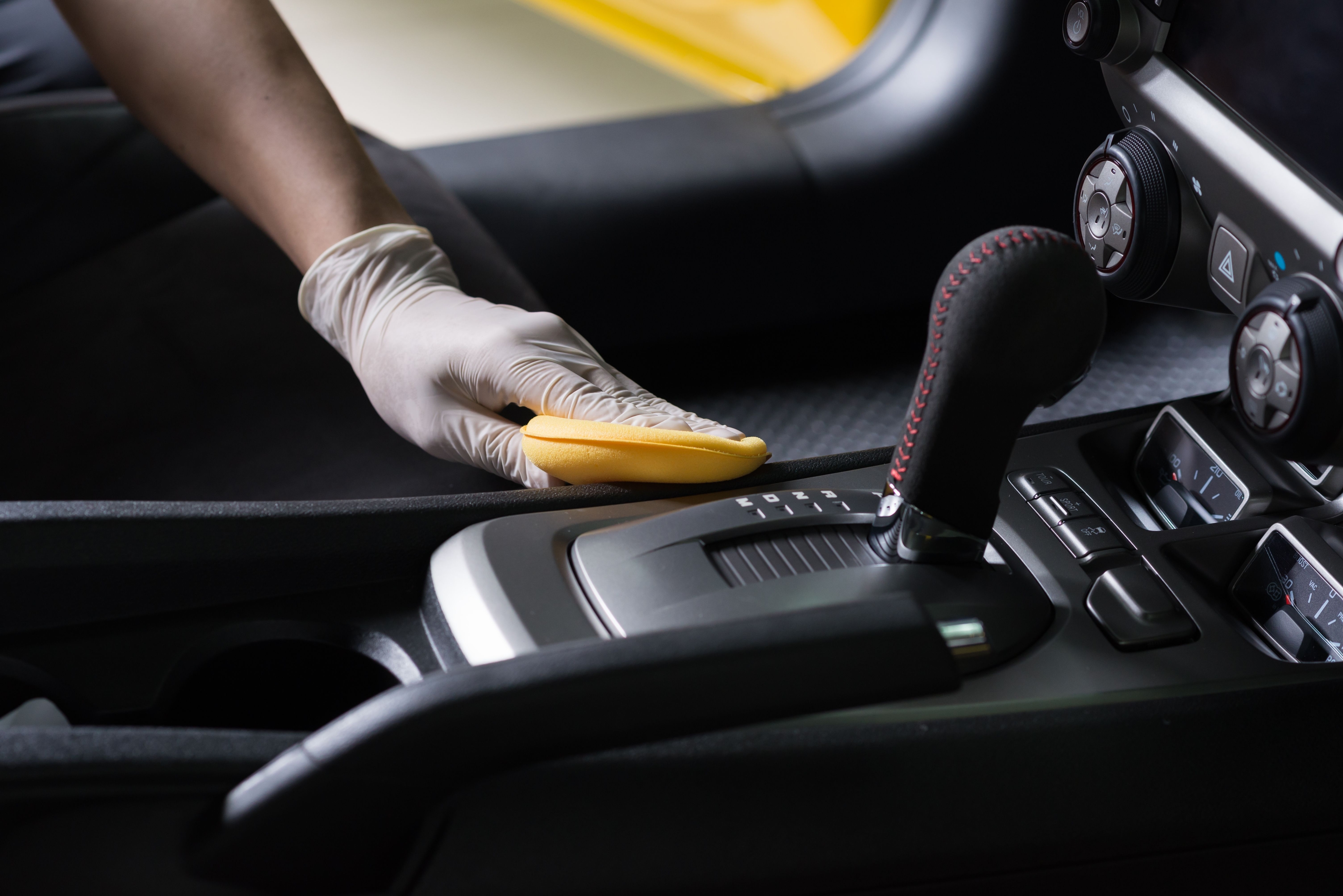
Place a small amount of wax onto the foam applicator that comes with the wax. Here, first pay attention to the instructions mentioned on the product you are using. A common mistake many people make is applying unnecessary amounts of wax. This results in more dirt accumulation and makes removal difficult. Also, the vehicle won't get a smooth finish.
So, don't forget to apply wax according to the instructions mentioned on the product.
Especially if you don't have a foam applicator, you can use a damp sponge instead.
Apply in a circular motion
Waxing is not something that can be done haphazardly. Because there's a proper way to apply wax. The wax should be applied to a small section of the car in a circular motion, ensuring even coverage. Afterward, divide your car into sections and apply wax to each part as needed, adding more wax.
Let it sit for a few minutes
Allow the wax to dry for a few minutes according to the instructions on the wax you used. After the required time has passed, you can remove the wax. The easiest way to know the correct time for this is to gently press the wax with your finger. If you can see finger marks, it's not yet time to remove the wax. However, if the wax is clear after touching it with your finger, you can now remove the wax.
Remove the wax
You can properly polish your car by removing the wax using a microfiber cloth. When removing the wax, don't forget to wipe it off in a circular motion, just as you applied it. Also, use only one side of the cloth for this.
Polish the car until it gets a good shine.
Wash the Car
Make sure to wash your car with a mixture specifically designed for vehicles with wax finishes. You can use regular detergent for this, but it won't provide much support in protecting your beautiful wax finish. So, you can use a special mixture designed for this purpose.
So, this is how you wax your car at home. From today onwards, if you are planning to wax your car at home, don't forget to try the tips we shared on MotorGuide today.

Written by
Nipuna Marasinghe