Understanding Rear Cross Traffic Alert (RCTA)

Today at Motor Guide, we are discussing one of the most vital safety systems found in modern vehicles: the Rear Cross Traffic Alert (RCTA) system. When driving a vehicle, you bear a massive responsibility not only for your own safety but also for the safety of others on the road. Specifically, when reversing a vehicle, identifying hazards that lie beyond your direct line of sight is no easy task. This technology was created precisely to assist drivers in those exact situations. As automotive technology advances day by day, systems like this are no longer exclusive to luxury vehicles; they are now commonly found even in standard family cars.
How RCTA Differs from a Reverse Camera
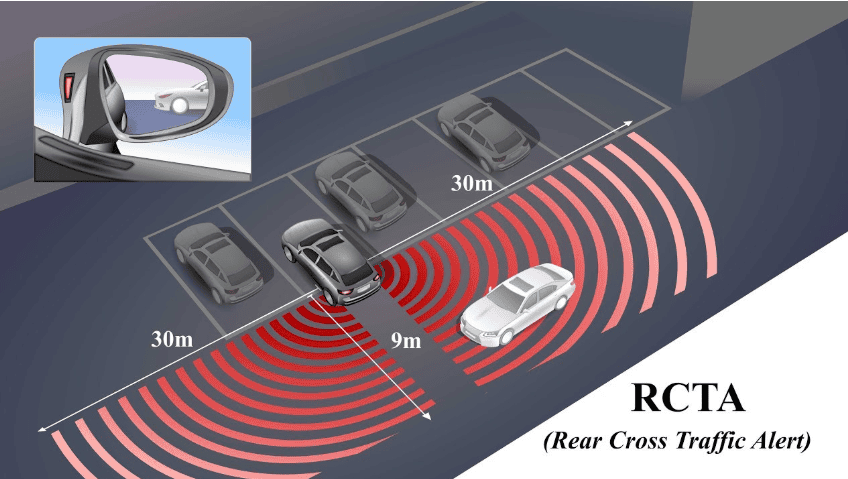
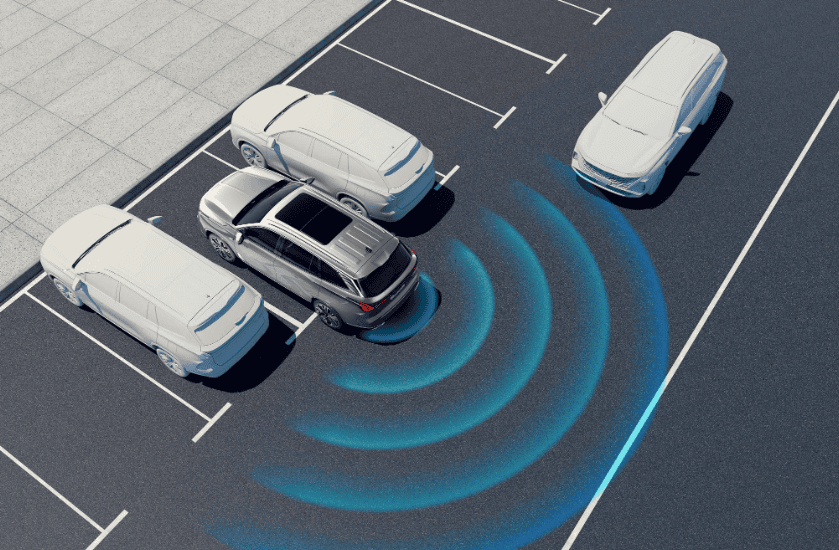
As professionals in this field, one thing we constantly observe is many drivers using their vehicle's sensor and camera systems without a proper understanding of how they actually work. Rear Cross Traffic Alert is a completely different system from a standard reverse camera. A reverse camera only shows what is directly behind the vehicle. However, the RCTA system actively monitors the area when you are backing out into a road or pathway, detecting vehicles, bicycles, or pedestrians approaching fast from either the left or right sides, and immediately warns you. This process is executed using Radar Sensors mounted on both sides of the vehicle's rear bumper.
Technical Operation and Alerts
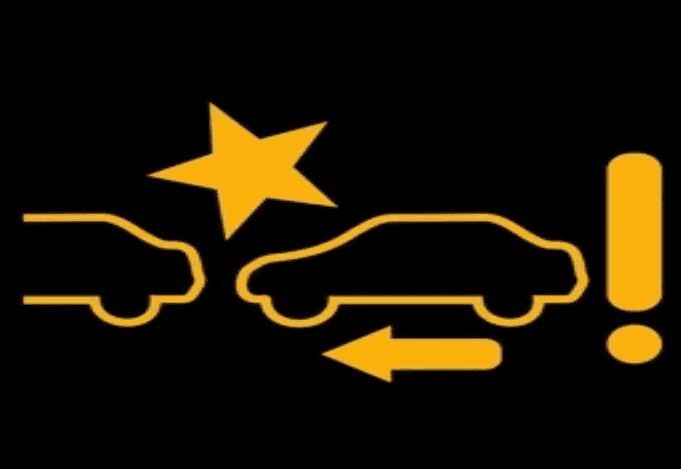
Looking at how this system operates technically, the moment you shift the vehicle into Reverse Gear, these radar sensors are activated. The radio waves emitted by them can detect moving objects approaching crosswise from distances of about 60 to 100 feet on either side of the vehicle's rear. If, by chance, another vehicle is approaching your vehicle crosswise from behind, the system instantly emits a sharp 'Beep' sound. Additionally, if the hazard is approaching from the left, it displays a visual warning graphic either on the left side mirror or on the dashboard display. In some advanced modern vehicles, this system can even automatically engage the braking system to bring the vehicle to a complete stop.
System Limitations and Maintenance
One crucial fact you must know is the limitations of this system. Many people assume that because there are sensors, the system will handle absolutely everything. However, identifying vehicles approaching at excessively high speeds can sometimes be difficult for this system. Furthermore, if the sensors on the bumper are covered in mud, heavy rain, or snow, the system will not function accurately. Especially after driving on muddy roads, cleaning the sensor areas is highly important. We always advise not to entrust 100% responsibility to the technology. Always use your own eyes to check your surroundings, treating this technology merely as an additional aid.
Speed Constraints and Real-World Value
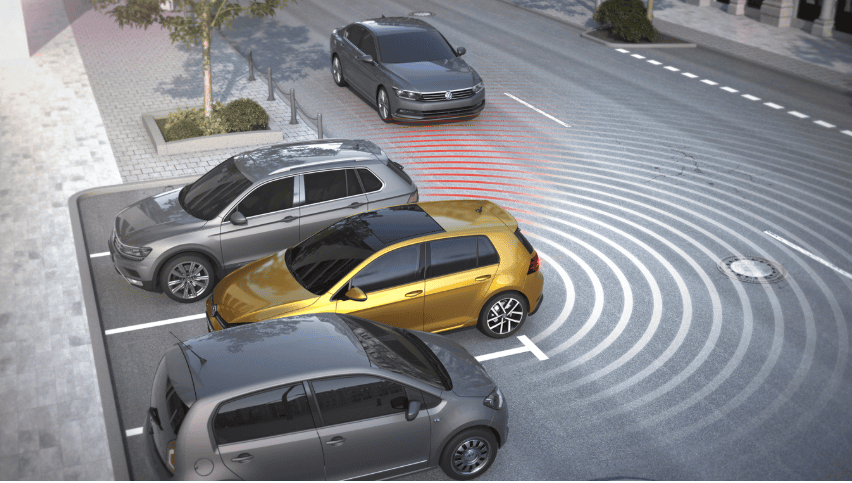
Another important point is that this system only works when the vehicle is traveling below a certain specified speed. Generally, it operates at maximum efficiency only when you are reversing at low speeds like 5 or 10 km/h. If you reverse too quickly, the sensors may not have enough time to analyze the data and issue a warning. Therefore, make it a habit to reverse your vehicle slowly and with immense patience. Especially when you are backing out onto a road from a row of parked cars where your visual range is completely blocked, the Rear Cross Traffic Alert system provides massive assistance.
Can it be Turned Off?
Some people ask if this system can be turned off. Yes, in most vehicles, it can be deactivated through the settings menu. However, from a safety perspective, that is something you should never do. Systems like this are incredibly valuable for preventing your vehicle from crashing and saving the lives of innocent people on the road. As industry experts, we have observed a vast number of potential accidents on narrow roads and busy cities being completely avoided thanks to this system. Therefore, when purchasing a car, choosing one with Safety Features like this can be viewed as an investment in your future.
Know Your Vehicle's Specific Warnings
As professionals in the automotive field, we suggest that if your vehicle has this system, you should read the Owner's Manual to learn more thoroughly about its operation. The method of warning can differ from manufacturer to manufacturer. In some vehicles, the driver's seat vibrates; in others, a red light illuminates on the side mirror. Only if you are familiar with these signals beforehand can you make the correct decision without panicking during an emergency. Technology is there to make our lives easier, and using it correctly is a skill you must develop.
Motor Guide's Final Advice
Our advice at Motor Guide is that no matter how advanced technology gets, the world has yet to invent a substitute for the driver's active attention. The Rear Cross Traffic Alert system is merely a mechanical eye designed to assist you. Therefore, before starting the vehicle and reversing, thoroughly check your surroundings physically. Keep your vehicle's sensors clean at all times. When reversing, slightly lower the volume of the radio so you can clearly hear the warning beeps from the system. Remember, safe driving means thinking about yourself as well as others. And we remind you to always stay tuned with Motor Guide to learn more valuable information like this about modern vehicles and technology.

Written by
Nisaga Sandaru
A versatile and highly experienced professional, currently an Automobile undergraduate at the University of Jaffna, with strong technical expertise grounded in hands-on work as a technician with SriLankan Airlines Ground Support Equipment (GSE). Holding an Automobile NVQ Level 3 qualification, along with specialized certifications in Vehicle ECU Programming and Diagnosis, and extensive experience in arc welding and vehicle body painting, and well equipped to handle complex automotive, diagnostic, and fabrication-related tasks with a high level of competence.