What is Multi-Point Fuel Injection (MPFI)?

When discussing automotive engine technology today, a term we frequently hear is Multi-Point Fuel Injection (MPFI). Simply put, this is a highly efficient fuel delivery system that replaced the carburetors found in older vehicles. From an engineering perspective, this technology greatly helps to increase engine performance as well as fuel economy. Let's look at how this system actually works and what makes it so special.
The Basic Structure of an MPFI System
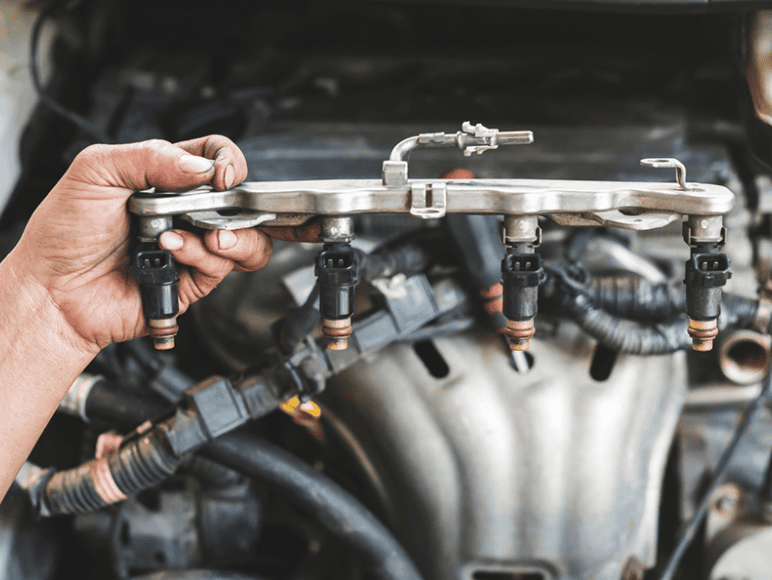
Older Single-Point Injection systems sprayed fuel for the entire engine from just one central injector. However, in an MPFI system, separate fuel injectors are installed for each individual cylinder in the engine. For example, if you take a 4-cylinder engine, it has 4 injectors. These injectors are located in the engine's "Intake Manifold," specifically just slightly above the intake valve.
Because of this design, the air and fuel mixture entering the engine can be controlled extremely accurately. Since fuel is sprayed precisely when air is drawn into the engine and only in the exact amount required for that specific cylinder, there is absolutely no wastage. It is, accurately speaking, a highly precise operational mechanism.
How is it Controlled?
The brain of the MPFI system is the ECU (Electronic Control Unit). The ECU decides exactly when and how much fuel to inject based on data received from various sensors in the engine. For example:
- Oxygen Sensor: Checks the exhaust gases to see if the fuel mixture is too rich or too lean.
- Throttle Position Sensor: Adjusts fuel delivery based on how much you press the accelerator pedal.
- Mass Air Flow Sensor: Measures the volume of air entering the engine.
All of these calculations are done in fractions of a millisecond before sending a signal to the injector. That is why an MPFI vehicle accelerates smoothly without any hesitation or jerking when you suddenly step on the gas.
Main Advantages of an MPFI System
- Fuel Efficiency: Since each cylinder gets the exact amount of fuel it needs, fuel wastage is minimized. Unlike a carburetor engine, combustion here happens in a highly efficient manner.
- Better Performance: The engine responds very smoothly during a cold start and during sudden acceleration.
- Lower Emissions: Because the fuel is completely burned, the exhaust smoke contains far fewer harmful gases.
- Durability: It reduces carbon deposits inside the engine, thereby increasing the engine's lifespan.
Two Types of Injection: Sequential and Simultaneous
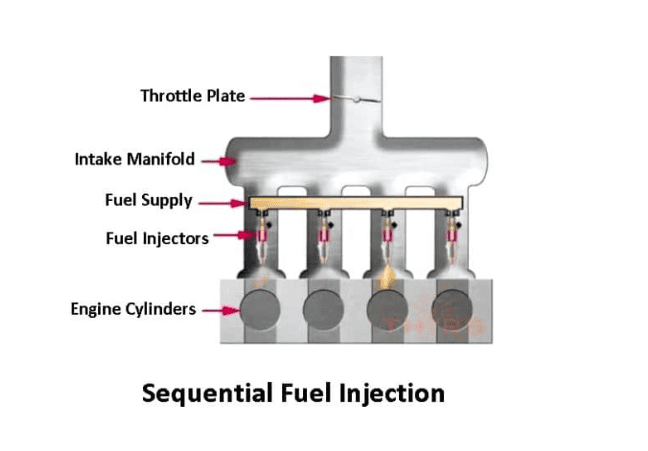
There are two operational methods within MPFI systems. One is Simultaneous Fuel Injection. Here, fuel is sprayed into all the cylinders at the exact same time. However, modern vehicles use a method called Sequential Fuel Injection. In this system, fuel is sprayed into the respective cylinder only when its specific intake valve is opening. This is an exceptionally efficient method.
Maintenance Considerations
As automotive professionals, the biggest advice we can give is to be mindful of the maintenance of a vehicle equipped with this system. The injectors in an MPFI system have microscopic holes. If you use low-quality fuel or fail to replace the fuel filter on time, these injectors can easily get clogged. When that happens, you may face issues like engine misfires (jerking) and poor fuel economy.
Therefore, always use good quality petrol and ensure you get an Injector Cleaning done after the manufacturer's recommended mileage. This is very important for the longevity of your vehicle.
Conclusion
In summary, Multi-Point Fuel Injection is a highly reliable and advanced technology in today's global automotive manufacturing. The convenience and economic benefits it provides are immense. So, if you are driving a modern vehicle or planning to buy one, having a good understanding of this technology is highly valuable.

Written by
Nisaga Sandaru
A versatile and highly experienced professional, currently an Automobile undergraduate at the University of Jaffna, with strong technical expertise grounded in hands-on work as a technician with SriLankan Airlines Ground Support Equipment (GSE). Holding an Automobile NVQ Level 3 qualification, along with specialized certifications in Vehicle ECU Programming and Diagnosis, and extensive experience in arc welding and vehicle body painting, and well equipped to handle complex automotive, diagnostic, and fabrication-related tasks with a high level of competence.