What is Vehicle Stability Control (VSC)?

Today at Motor Guide, we are discussing one of the most crucial safety technologies in a vehicle: Vehicle Stability Control, or as we briefly call it, the VSC system.
When driving a vehicle on the road, the connection between the tires and the road surface is not always as stable as we think. During rain, when there is oil or sand on the road, or when you have to take a sudden sharp turn, the vehicle tends to slip out of our control. During such risky situations, the invisible assistant that helps the driver regain control of the vehicle is VSC. As professionals in this field, one thing we constantly observe is that many people assume having ABS (Anti-lock Braking System) is enough to control a slipping vehicle. However, VSC is an entirely different and highly complex technological process.
How Does This Technology Actually Work?
First, let's look at what this technology actually does. Simply put, this system checks—in a fraction of a hundredth of a second—whether the vehicle is actually moving in the exact direction you are trying to steer it. Generally, when a vehicle takes a corner at high speed, two things can happen:
- Understeer: This is when you turn the steering wheel, but the vehicle slides straight ahead.
- Oversteer: This is when the rear end of the vehicle spins out of control.
As industry experts, we identify these as scenarios where the vehicle is about to be thrown off the road. What the VSC system does is use the vehicle's sensors to detect this slipping, and instantly applies the brakes only to the specific wheels required to bring the vehicle back onto its intended path.
The Sensor Network
A network of sensors scattered throughout the vehicle helps this system function. The main ones include Wheel Speed Sensors (which measure the speed of each wheel), the Steering Angle Sensor (which measures how much you turn the steering wheel), and the Yaw Rate Sensor (which detects if the vehicle is tilting or spinning on its vertical axis).
If you suddenly turn the steering wheel sharply during an uncontrollable moment, the computer immediately understands which direction you intend to go. If the vehicle's actual travel direction differs from that, the system intervenes by reducing engine power and applying the brakes only to the necessary wheels to correct the path. This is truly an astonishing piece of technology.
Lifesaving Value in Bad Weather
The value of VSC is felt most prominently on rainy days when roads are slippery. Even during a 'Hydroplaning' situation, where the vehicle glides over a layer of water, the system activates the moment the tires begin to lose their grip. As professionals in this field, we know that many severe road accidents occur because vehicles slip and get thrown off the road. However, research has proven that the likelihood of such accidents is reduced by nearly 50% in a vehicle equipped with VSC. Therefore, when purchasing a vehicle, checking whether it has this feature is an absolute must.
Collaboration with ABS and TRC
Another important factor is that the VSC system works simultaneously with the ABS (Anti-lock Braking System) and TRC (Traction Control) systems. All of these work together to protect the vehicle's stability. If a dog or another animal suddenly jumps onto the road while you are driving fast and you swerve sharply, there is a high chance the vehicle will spin out of control if you don't have VSC. But with VSC, it controls the vehicle's momentum and makes the maximum effort to keep it on the road without rolling over. We always say that no matter how much technology is present, the driver's attention is mandatory, but VSC is the best safety net available to correct human errors.
Why is there a VSC 'OFF' Button?
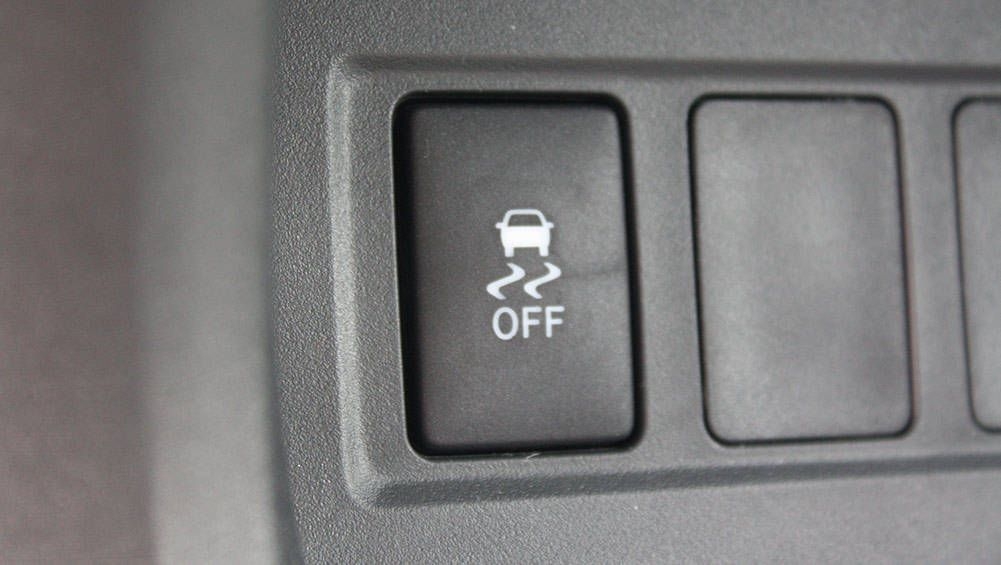
In some vehicles, there is a button to turn this VSC system off. Many people don't know what it is for. Normally, if a vehicle gets stuck in mud or sand, the wheels need to spin rapidly to dig out and gain momentum. In such a situation, because VSC actively cuts engine power to stop the wheels from spinning, getting the vehicle out can become very difficult. You should only disable the system during special circumstances like that. We strongly emphasize that you should never turn this system off while driving on a normal road, because an accident never gives prior warning.
Dashboard Indicators
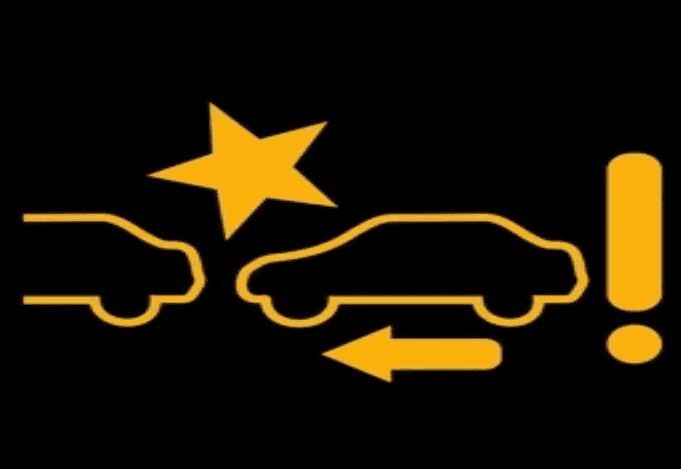
You may have noticed an indicator light on your vehicle's dashboard depicting a sliding car. If that light flashes on and off while the vehicle is slipping, it means the VSC system is actively working at that exact moment to save you. However, if that light remains permanently illuminated while you are driving, it indicates that there is a malfunction in the system. In such an event, getting your vehicle inspected by a qualified technician without delay is extremely important for your safety.
Motor Guide's Final Advice
Our advice at Motor Guide is that when you use a vehicle, you must have a clear understanding of safety systems like this. VSC is not just a light on the dashboard; it is a system that protects your life and the lives of your family members. Therefore, make sure to maintain your tires in good condition and ensure the sensor systems are serviced properly. Never forget that no matter how advanced technology becomes, driving with patience and focus on the road remains the most important thing. And don't forget to always stay tuned with Motor Guide to learn more valuable information like this about modern vehicles and technology.

Written by
Nisaga Sandaru
A versatile and highly experienced professional, currently an Automobile undergraduate at the University of Jaffna, with strong technical expertise grounded in hands-on work as a technician with SriLankan Airlines Ground Support Equipment (GSE). Holding an Automobile NVQ Level 3 qualification, along with specialized certifications in Vehicle ECU Programming and Diagnosis, and extensive experience in arc welding and vehicle body painting, and well equipped to handle complex automotive, diagnostic, and fabrication-related tasks with a high level of competence.