What Does It Mean to Bore a Vehicle's Engine?

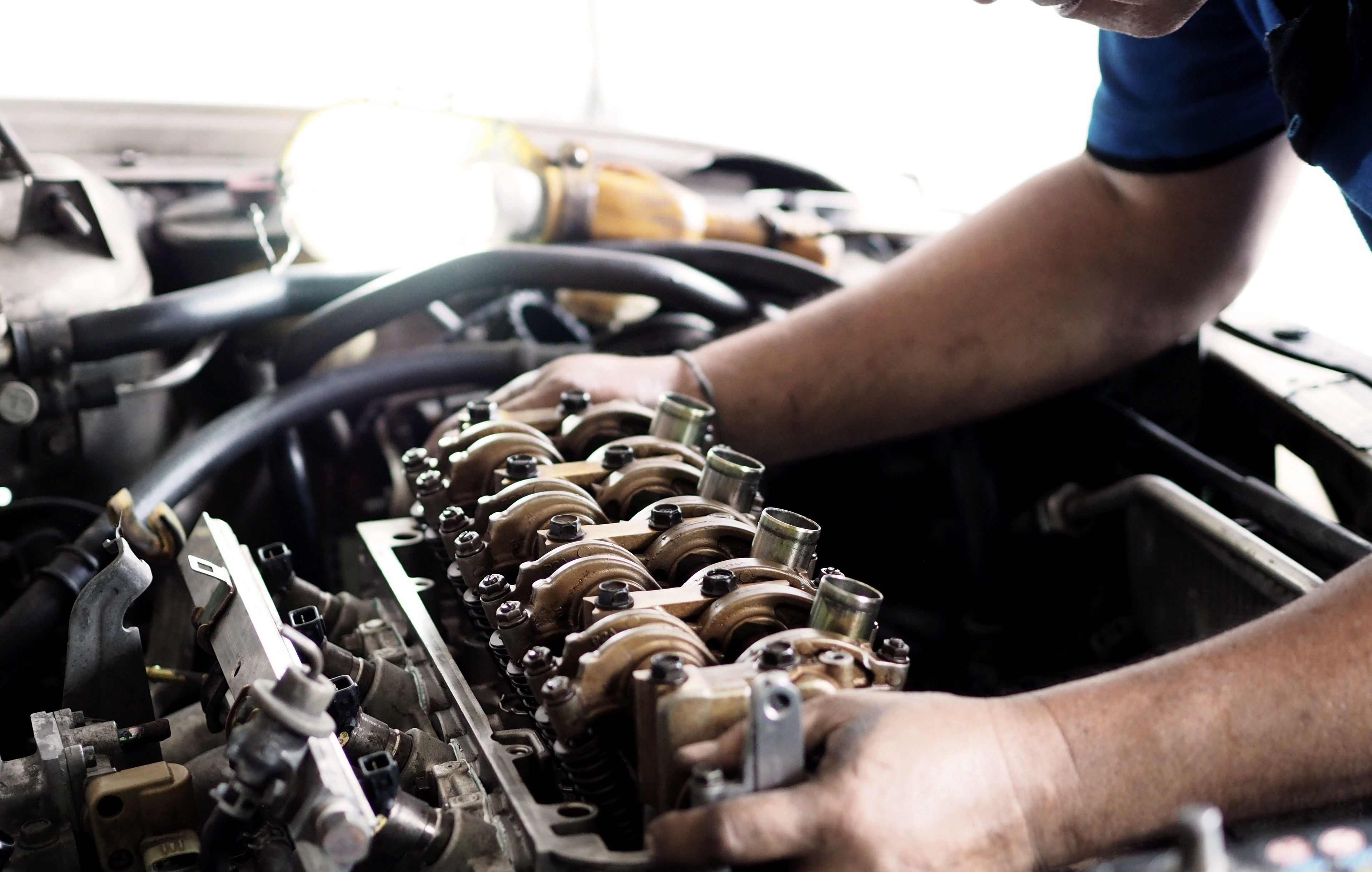
Are you a vehicle owner? Are you knowledgeable about everything in your vehicle? However, many people who drive vehicles don't know what it means to bore an engine. That's why today, MotorGuide will tell you what it means to bore a vehicle's engine.
Parts of an Engine
- Cylinder
The cylinder is one of the most important parts of an engine. It performs several key functions, such as controlling the engine's temperature, and therefore the cylinder must be of the highest quality.
- Piston
The piston is the cylindrical-shaped plug located inside the cylinder. The piston helps convert the pressure energy from fuel combustion into useful mechanical power.
- Intake and exhaust valves
This part controls and regulates the air entering the engine for combustion and the exhaust gases exiting the cylinder.
- Connecting rod
The main function of the connecting rod is to convert the reciprocating motion of the piston into the rotational motion of the crankshaft. Connecting rods are usually made from alloy steel.
- Camshaft
The shaft fitted with cams is called the camshaft. There are two main types of camshafts in an engine: flat tappet and roller.
- Crankshaft
The part that draws power from the engine is called the crankshaft. The crankshaft is made from heat-treated alloy steel.
What is Cylinder Bore?
A vehicle's engine has one or more cylinders. The number of cylinders can vary from vehicle to vehicle, and cylinders can be found in any vehicle. A cylinder has two parameters: stroke and bore. The piston moves inside the cylinder of the engine. The internal diameter of this cylinder is called the bore. The engine's displacement (capacity) is determined through the bore and stroke.
Why is Boring Necessary?
Many people try to bore the engine as soon as a little oil burns in the vehicle's engine. However, most of the time, an engine doesn't need to be bored. The piston moves within the cylinder, causing wear on the cylinder. But if the engine isn't damaged enough to require boring, you can simply replace the piston to keep the engine from further damage. However, if the vehicle's engine is very old, just replacing the piston won't be effective. In such cases, the cylinder's bore will have increased, and you will need to bore the engine.
How is an Engine Bored?
Engine boring is done using an engine boring machine. The cylinder is placed in this machine, and its diameter is increased. Afterward, a new piston matching the increased cylinder diameter is installed. Typically, an engine can be bored about four times in this manner.
Disadvantages of Engine Boring
The cost of boring an engine only involves the price of the piston and the boring service fee. However, a significant disadvantage of boring an engine is reduced fuel efficiency. After an engine is bored, its fuel efficiency decreases. Additionally, disadvantages such as thinning of cylinder walls, weakening of the cylinder, and sometimes a reduced engine lifespan can occur. Therefore, if you use your vehicle frequently, engine boring may not be very successful.
How to Identify if an Engine Needs Boring?
One way to determine if a vehicle's engine needs boring is to measure the cylinder bore. If the cylinder bore is larger than it should be, it indicates that the engine needs to be bored.
So, today we explained how to bore a vehicle's engine. You should now have a good understanding of what it means to bore an engine.

Written by
Nipuna Marasinghe