What Happens If You Put Too Much Oil in Your Car?


Is your vehicle's engine overfilled with oil? This is actually a common mistake that anyone can make. However, this mistake can cause significant damage to your vehicle's engine. Therefore, if the engine is accidentally overfilled with oil, it should be corrected as soon as possible.
That's why MotorGuide is telling you today what happens if a vehicle is overfilled with engine oil, and how to correct that mistake.
What happens if engine oil is overfilled?
If a vehicle is overfilled with engine oil, it can lead to frothing and the formation of air pockets. This prevents proper lubrication of engine components. As a result, the engine may experience increased misfires and reduced power and efficiency. In some cases, overfilling engine oil can even lead to engine failure or costly repairs.
Additionally, overfilling engine oil can cause many other problems. Let's see what they are.
Engine Damage
Overfilling engine oil can cause serious damage to the engine. This is because excess oil obstructs the rotation of the crankshaft. This can lead to increased friction, greater heat generation, and even engine failure.
Aeration and Foaming
Excessive engine oil causes the crankshaft to churn the oil into foam. This creates conditions of aeration and foaming. As a result, engine components are not properly lubricated and cooled.
Increased Oil Pressure
Overfilling engine oil increases the oil pressure within the engine. Excessive oil pressure damages oil seals and gaskets, leading to leaks.
Oil Leakage
A high oil level causes excess oil to pass into the piston rings and combustion chamber. This can lead to oil burning, fouled spark plugs, and increased emissions. Additionally, excessive oil can cause leaks from seals and gaskets. This is a significant reason for damage to other engine components.
Reduced Engine Performance
Overfilling oil can increase resistance on rotating components, which leads to reduced engine performance and fuel efficiency.
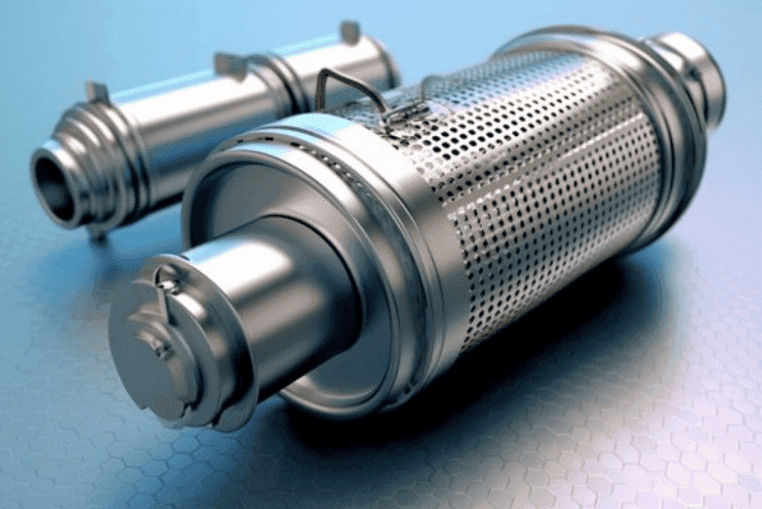
Damage to the Catalytic Converter
If excessive oil burns in the combustion chamber, the by-products generated can reach the catalytic converter, causing it to become fouled and reducing its efficiency.
Signs of an Overfilled Engine
Check the Engine light
Overfilling engine oil leads to increased oil pressure and can cause the engine light to illuminate.
White or Blue Smoke
Excessive oil can burn within the engine, leading to white or blue smoke emitting from the exhaust.
Oil Leakage
Overfilling the engine with oil can damage seals and gaskets, potentially leading to oil leaks.
Reduced Engine Performance
Increased pressure and reduced lubrication due to overfilling oil can lead to decreased power and overall engine performance.
Unusual Engine Noises
Excess oil can create air pockets, leading to frothing and reducing the efficiency of lubrication for engine components. As a result, unusual engine noises may occur.
How to Fix an Overfilled Engine
Check the Dipstick
Use the dipstick to check the oil level and determine how much excess oil needs to be removed.
Drain Excess Oil
You can use an oil extractor or the drain plug to remove excess oil. Make sure to properly collect and dispose of the removed oil.
Replace the Oil Filter
If the oil filter is damaged, it is important to replace it.
Check the Oil Level
After removing excess oil and replacing the oil filter, re-check the oil level using a dipstick. The oil level should be between the minimum and maximum marks on the dipstick.
Start the Engine
Once you have confirmed that your engine's oil level is correct, start the engine. Then check for any oil leaks or unusual noises.
Overfilling your vehicle with engine oil can lead to reduced vehicle performance and many other major problems. If your vehicle exhibits the signs we mentioned at MotorGuide, make sure to correct it as soon as possible. By following the steps we outlined today, you can prevent potential engine damage to your vehicle. However, if you find it difficult to identify the problem yourself, do not forget to seek assistance from a qualified mechanic.

Written by
Nipuna Marasinghe