What is a Torsion Bar Suspension?

Today at Motor Guide, we are going to talk about a very fascinating and important topic in automotive technology: the Torsion Bar Suspension. When a vehicle's wheels hit potholes, rocks, and bumps on the road, a suspension system is absolutely essential to absorb those shocks and provide a comfortable and safe ride for the passengers. While we have often heard about Coil Springs or Leaf Springs, the Torsion Bar method is slightly different. It is a very simple yet highly robust system. As professionals in this field, we know how important it is to properly understand the operation of this system when repairing or designing vehicles.
What is a Torsion Bar?
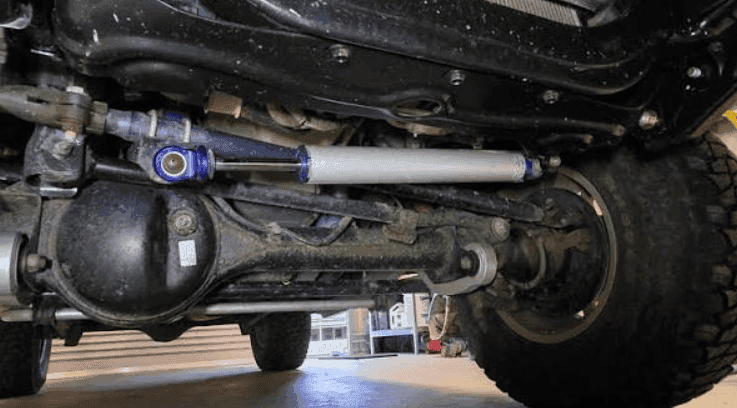
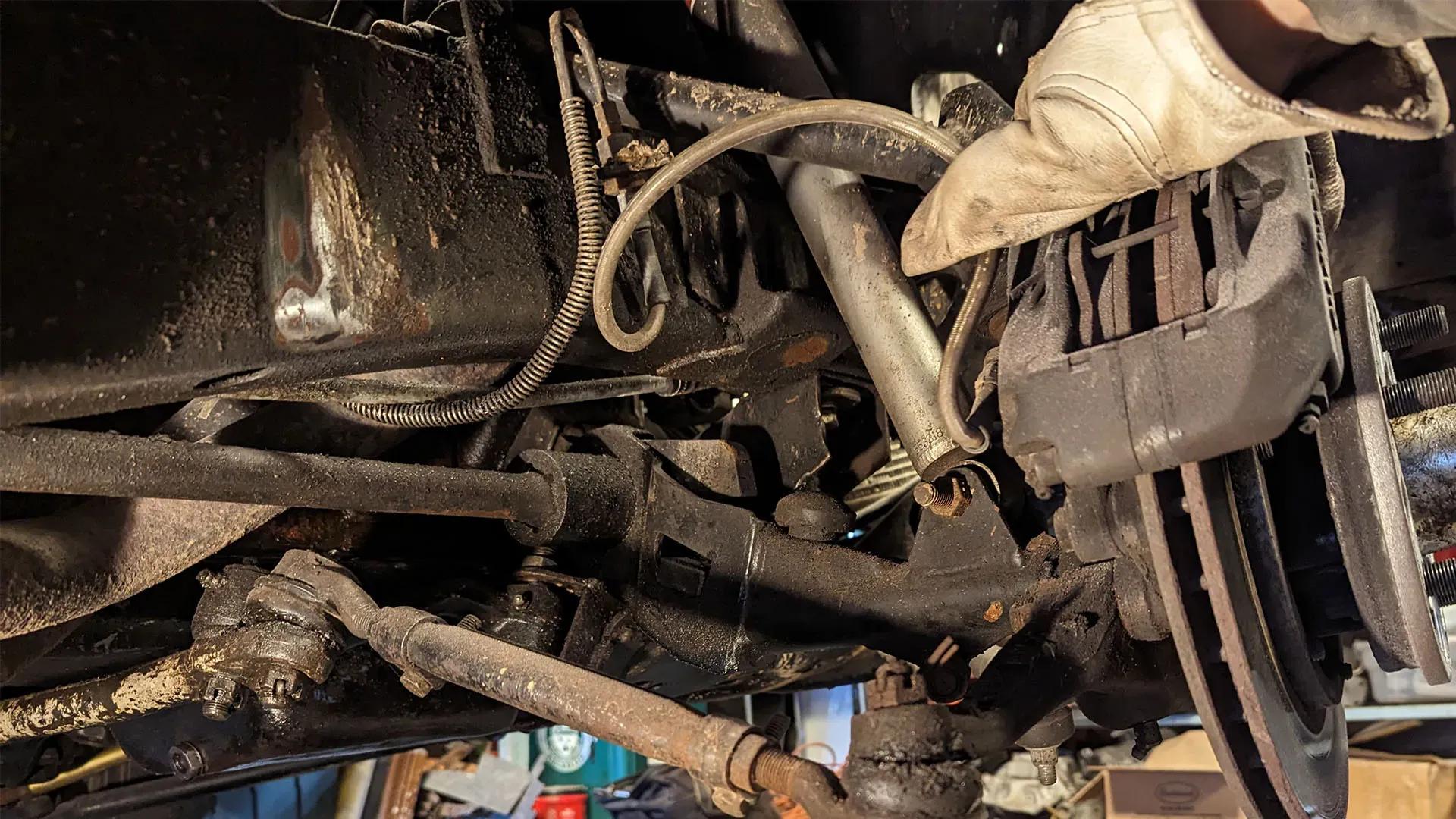
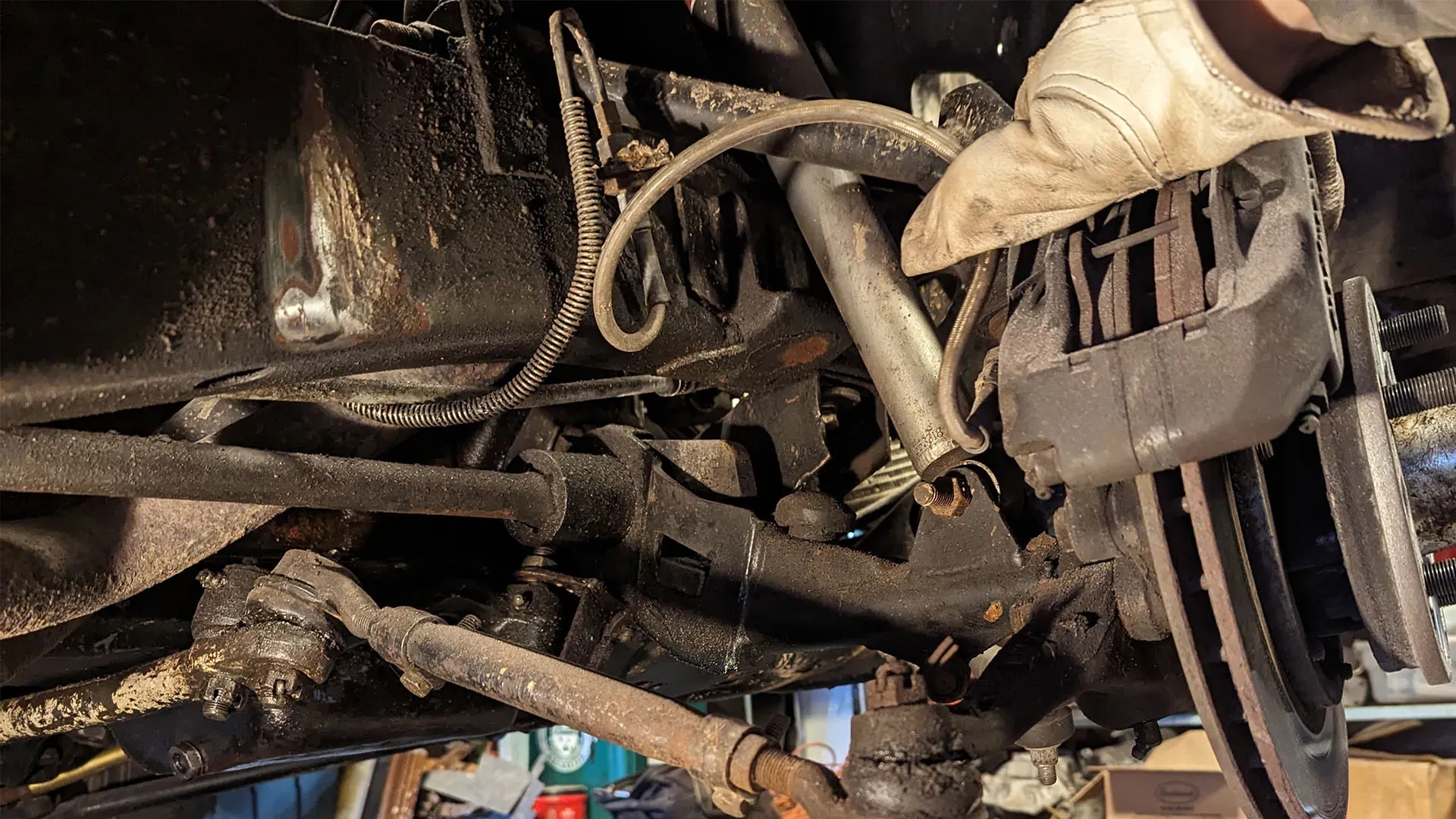
First, let's look at what a Torsion Bar actually is. Simply put, a Torsion Bar is a specialized steel rod connected between the vehicle's chassis and the control arm that holds the wheel. This is where the primary technical principle comes into play. While a standard spring compresses or expands, a Torsion Bar works by twisting. That is, when a wheel moves up and down, this steel rod twists along its axis. The resistance created when this twisted steel rod tries to return to its original state is what supports the vehicle's weight and absorbs shocks.
How Does It Work?
To explain the operation of this system further from a technical perspective, one end of the Torsion Bar is firmly attached to the vehicle's main chassis or frame. The other end is connected to the vehicle's suspension control arm (or wishbone). When the vehicle hits a pothole and the wheel is pushed upwards, the suspension arm pivots. Along with this pivoting motion, the attached Torsion Bar undergoes a twisting action. The force generated as the rod twists absorbs the impact. Afterward, when the wheel comes out of the pothole, the rod untwists, returning to its original state and keeping the wheel at the proper ride height.
Advantages of a Torsion Bar Suspension
There are several main advantages to this Torsion Bar Suspension system. One is its highly compact design. This means it doesn't require a lot of space. It is usually mounted horizontally underneath the vehicle. Therefore, it saves valuable space in the engine bay or the undercarriage for other essential components. Another special advantage is the ability to easily adjust the ride height using an adjuster bolt. When the vehicle carries more weight, or as the spring slightly sags over time, we can turn this bolt to easily adjust the vehicle's front height to the required level.
Also, we must specifically mention the durability of this system. Compared to standard coil springs, these are incredibly strong at bearing heavy loads and withstanding rough terrains. This is exactly why the Torsion Bar method was widely used in the front suspensions of older 4x4 vehicles, pickup trucks, and certain heavy-duty vehicles. It has the capability to be used for a very long time without any issues, even during heavy-duty work and towing.
Disadvantages and Limitations
However, as professionals in this field, we know that there are also a few disadvantages or limitations. The main issue is the increased risk of metal fatigue over time. Due to constant twisting, internal stress builds up within the steel rod. Because of this, the spring's strength can decrease (sag) over time. Furthermore, if this system is not properly maintained, especially if the bushings wear out, handling issues can arise. In some cases, removing and repairing these components can be a slightly more complex and difficult task compared to replacing standard coil springs.
Usage in Modern Vehicles
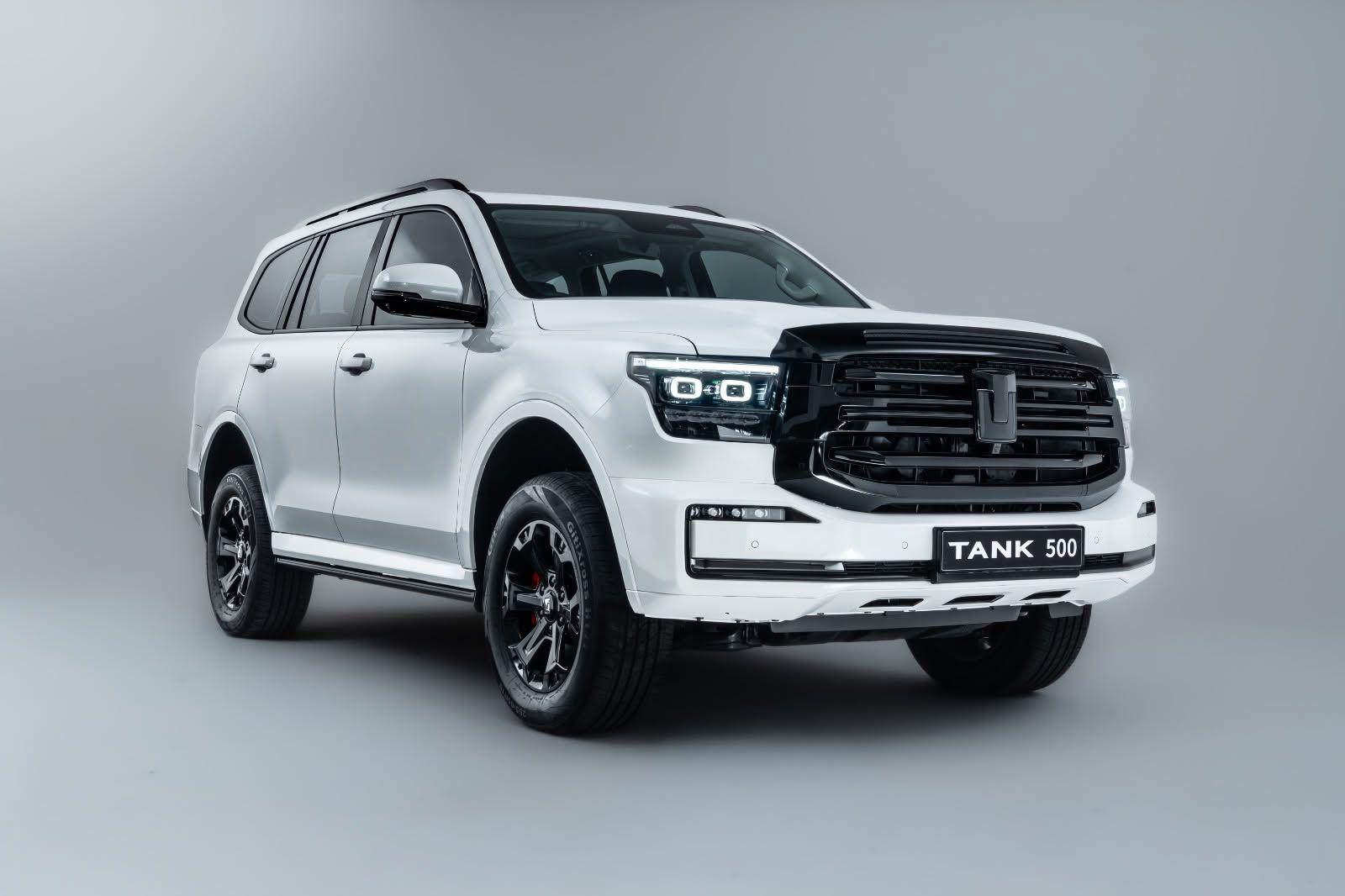
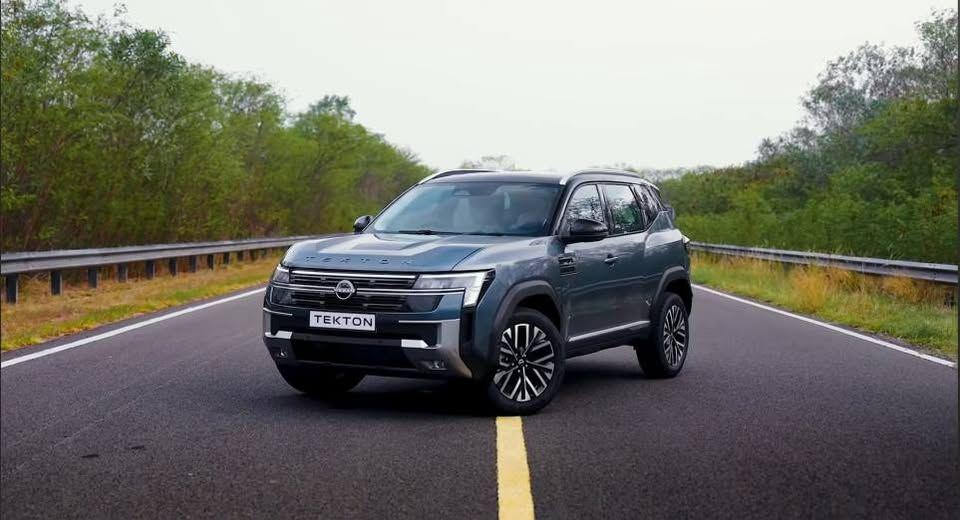
Today, the use of Torsion Bars in modern vehicle manufacturing has somewhat decreased. This is because modern cars and SUVs prioritize maximum ride comfort, opting for coil springs and smoother suspension setups. Nevertheless, in the off-road vehicle world and the commercial vehicle sector, the Torsion Bar remains an essential and unforgettable technology. Thanks to its mechanical simplicity and reliability, it still commands our respect today.
Motor Guide's Final Advice
Motor Guide's advice is this: a vehicle's suspension system is a primary component that determines your and your family's safety. If the vehicle you drive has a Torsion Bar suspension system, do not forget to periodically check its ride height and pay attention to whether there is any wear or noise coming from the bushes and joints. Even a minor defect can lead to a major accident over time. Ensure the longevity of your vehicle and your safety through proper maintenance.
And don't forget to always stay tuned with Motor Guide to learn more valuable information like this about modern vehicles and technology!

Written by
Nisaga Sandaru
A versatile and highly experienced professional, currently an Automobile undergraduate at the University of Jaffna, with strong technical expertise grounded in hands-on work as a technician with SriLankan Airlines Ground Support Equipment (GSE). Holding an Automobile NVQ Level 3 qualification, along with specialized certifications in Vehicle ECU Programming and Diagnosis, and extensive experience in arc welding and vehicle body painting, and well equipped to handle complex automotive, diagnostic, and fabrication-related tasks with a high level of competence.