What is API SP Standard for Engine Oil

What is the API SP Standard?
API stands for the American Petroleum Institute. They introduce standards that measure the quality levels and performance of petrol (gasoline) and diesel engine oils.
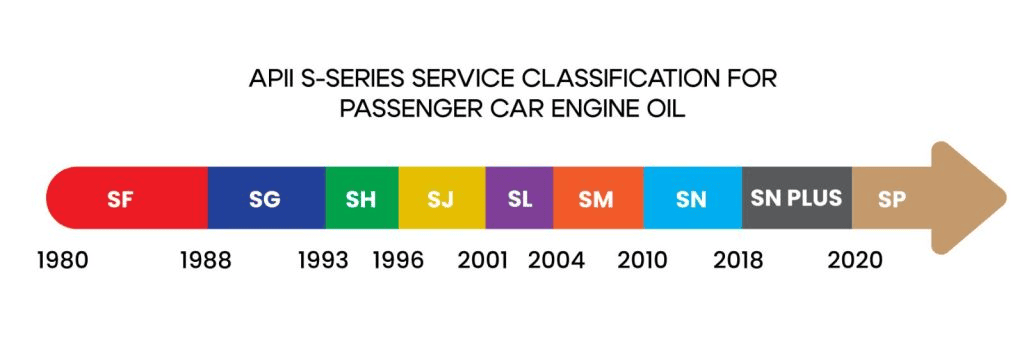
The API SP standard was introduced to address the shortcomings of the previous API SN PLUS (also known as SN+) and API SN standards and to meet the needs of modern engines.
The letter API "S" (Service) classifies petrol engine oils, and the subsequent letter indicates the oil's technical advancement and quality. SP is currently the newest and highest standard for petrol engine oils. It was introduced in May 2020.
The ILSAC GF-6 standard was introduced concurrently with the API SP standard. ILSAC stands for the International Lubricant Specification Advisory Committee. This is a joint committee of American and Japanese vehicle manufacturers (such as GM, Ford, Chrysler, Toyota, Honda, Nissan).
- API SP primarily tests the performance and chemical properties for engine protection.
- ILSAC GF-6 focuses on environmentally friendly and cost-efficient aspects such as Fuel Economy, Emission System Protection, and Oil Durability.
The GF-6 standard has two parts:
- GF-6A: Generally for higher viscosity grades (e.g., 5W-30, 10W-30). These receive the API SP Resource Conserving label.
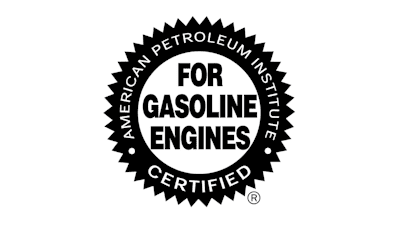
- GF-6B: For lower viscosity grade oils (e.g., 0W-16).
The best modern oils generally specify both API SP and ILSAC GF-6A (or GF-6B).

Advancement from SN Plus to SP
API SN Plus (SN+) was quickly introduced to control the LSPI problem, but it was not a fully revised standard.
Subsequently, API SP successfully passed several new, stricter engine tests (such as Sequence X, Sequence IVB) for controlling Timing Chain wear and High-Temperature Deposits, in addition to LSPI control. Overall, the SP standard provides superior and more durable protection than SN+.
What is the Specialty of API SP?
The API SP standard was introduced to provide the protection and high performance specifically required by today's modern engines. This is particularly important for Turbocharged Gasoline Direct Injection (TGDI) engines, which extract more power from smaller engines. The reason is the very high operational demand of these engines.
Here are the fundamental protections and advantages:
- LSPI Protection: An unintended explosion (Pre-Ignition) can occur inside the cylinder at low speeds and under high load in modern TGDI engines. This is called LSPI (Low-Speed Pre-Ignition). This condition can cause serious damage to the engine. API SP oil is specifically designed to minimize this LSPI risk.
- Timing Chain Wear Protection: Modern engines use a timing chain instead of a timing belt. API SP oil protects this timing chain from wear, increasing its lifespan.
- Deposit Control: It prevents the formation of high-temperature deposits on parts like pistons and turbochargers. It helps keep the engine interior clean.
- Fuel Economy: This type of oil also complies with the ILSAC GF-6A standard (another high-quality standard). As a result, oils labeled API SP "Resource Conserving" provide higher fuel efficiency.
- Backward Compatibility: This modern oil is compatible with all older standards. Even if your vehicle's manual recommends an older standard like API SN, SM, SL, or SJ, an API SP oil can be safely used. This is because it is considered superior in all aspects to the properties of all previous standards.
The Importance of Low-Viscosity Oils
The API SP standard applies to all viscosity grades, but it is particularly important for modern engines that use Low-Viscosity Oils.
Today, many modern vehicle manufacturers recommend oils such as 0W-20, 5W-20, and 0W-16 to improve fuel efficiency. The API SP and GF-6B standards ensure that these very thin oils properly protect the engine even under high temperatures and heavy loads.
API Certification Tests
Before API grants SP certification to an oil type, it must undergo the following main engine tests. These tests have been made more complex by the SP standard. These tests are the LSPI Test, Chain Wear Test, Sludge & Varnish Test, and High-Temperature Deposit Test.
API SP is not just a new oil; it is a solution that eliminates the risk of LSPI, which is essential for modern Turbo engines (TGDI). It is a standard that provides long-term protection for sensitive parts like the timing chain and offers high fuel efficiency. It is also superior and safer in every way compared to older standards.
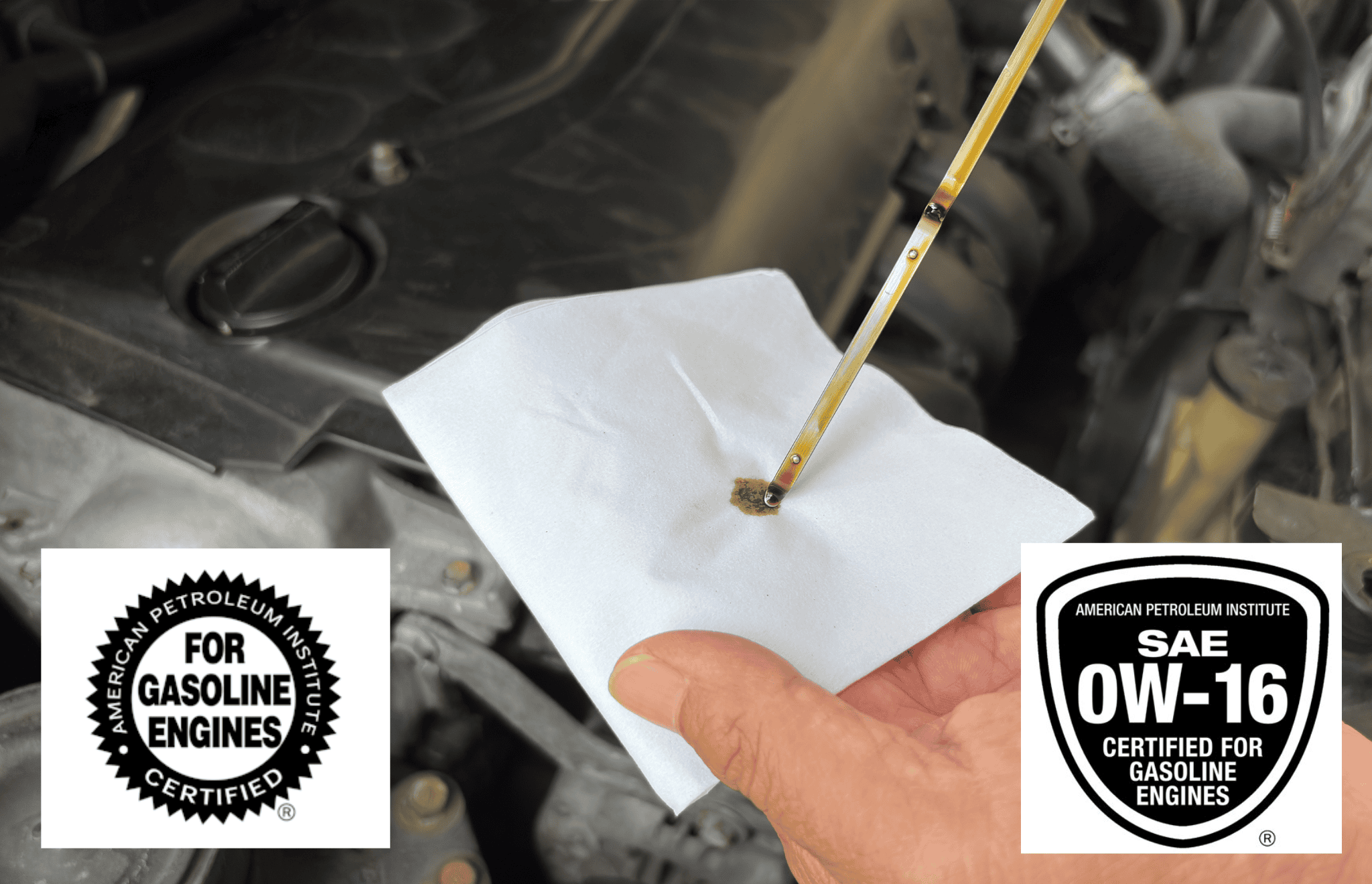
If your vehicle has a modern petrol engine, especially if it has a Turbo, using an API SP standard engine oil will provide maximum protection and performance for your engine. You can see "API SP" on the upper part of the API Service Symbol "Donut" on the oil can.
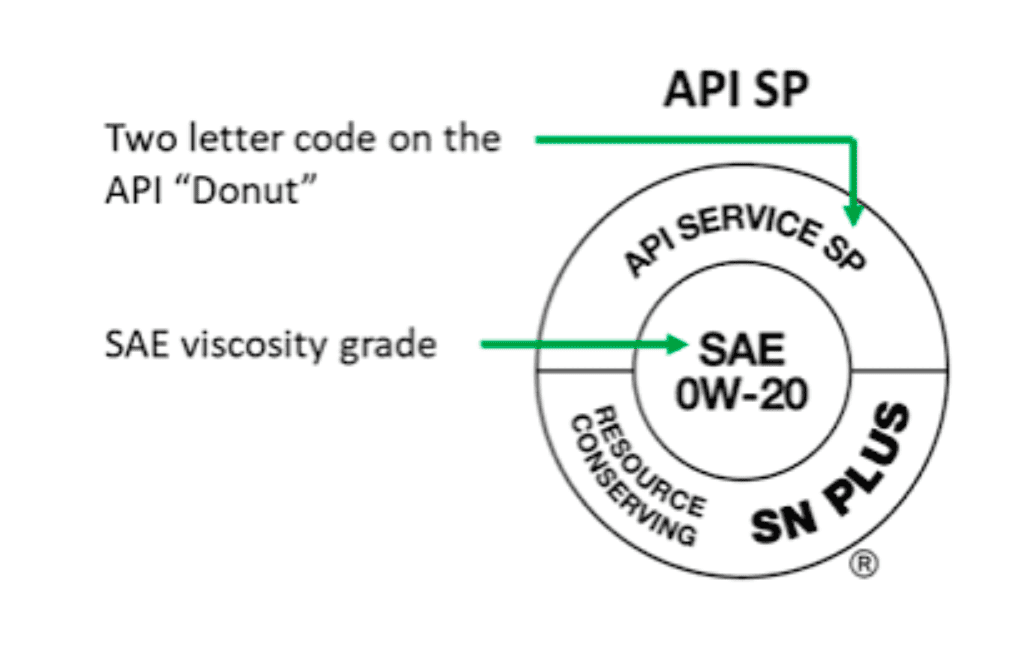
Also, make sure to use an oil that matches the API standard and the SAE Viscosity Grade recommended by your vehicle's manufacturer.

Written by
Nisaga Sandaru
A versatile and highly experienced professional, currently an Automobile undergraduate at the University of Jaffna, with strong technical expertise grounded in hands-on work as a technician with SriLankan Airlines Ground Support Equipment (GSE). Holding an Automobile NVQ Level 3 qualification, along with specialized certifications in Vehicle ECU Programming and Diagnosis, and extensive experience in arc welding and vehicle body painting, and well equipped to handle complex automotive, diagnostic, and fabrication-related tasks with a high level of competence.