What Is Engine Timing?

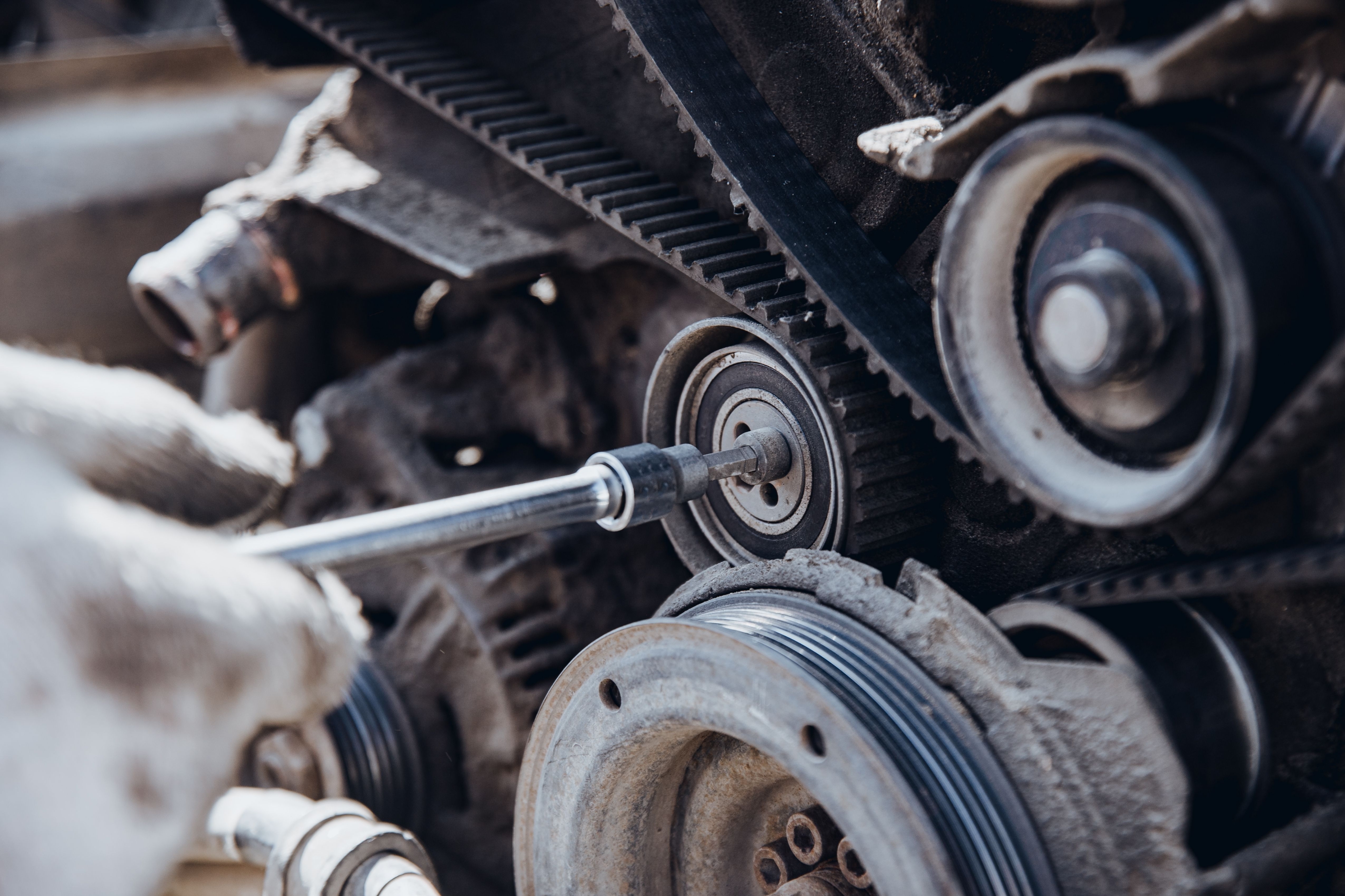
What really determines how efficiently and powerfully your vehicle's engine operates? The answer is engine timing. This involves a complex process where the movement of the engine's valves and pistons occurs at the same time. Many other important things happen through this engine timing. Perhaps you don't know exactly about engine timing. That's why, MotorGuide thought we'd tell you about engine timing today.
Engine timing basics
Engine timing is the coordination of opening and closing the engine's valves relative to the movement of the pistons. This simultaneous occurrence is not a mechanical formality. It is a carefully calculated maneuver that ensures the vehicle's engine operates at its optimal efficiency.
Ignition timing
Ignition timing is an important subset of engine timing. It controls the precise moment when the spark plugs ignite the air-fuel mixture in the combustion chamber. If this spark occurs too early or too late, it can lead to inefficient combustion. This also reduces the engine's power and fuel efficiency.
Valve timing
Valve timing manages the opening and closing of intake and exhaust valves. It ensures that valves open and close at the right moments, allowing the engine to operate effectively. If valves are not in sync, it can lead to a loss of power, increased emissions, and potential engine damage.
Fuel efficiency and performance
Engine timing isn't just about keeping things in order. It also contributes to your vehicle's fuel efficiency and performance. A well-timed engine optimizes the combustion process, extracting more energy from the fuel and converting it into power for your vehicle's journey.
What happens if engine timing is neglected?
If the timing is off, you will face problems such as poor engine performance and reduced fuel efficiency. Furthermore, neglecting this timing can also affect other engine components.
How to fine-tune engine timing?
Modern engines often feature high technology like variable valve timing (VVT) and crankshaft/camshaft position sensors. These innovations help create a dynamic engine timing system. Another way to fine-tune engine timing is by real-time adjustment to driving conditions. Fine-tuning in this manner ensures your vehicle's engine adapts to various situations, providing optimal performance and efficiency.
This is the story of engine timing. Even if you didn't know it, it performs many important functions. The other thing is, you now know about the impact on the vehicle if you don't pay much attention to engine timing. So, from now on, you can take good care of your engine timing.

Written by
Nipuna Marasinghe