What is the Difference Between Horse Power (HP) and Brake Horse Power (BHP)?

Today at Motor Guide, we are going to talk about a topic that many people in the automotive world frequently discuss, yet often get confused about. That is the actual difference between the concepts of "Horse Power" (HP) and "Brake Horse Power" (BHP).
As professionals in this field, something we constantly see is that when people go to buy a vehicle, they often make decisions about the car's power simply by looking at the HP or BHP value in the catalog. However, there are several very important technical differences between these two. Only by understanding them perfectly can we get an accurate idea of a vehicle engine's true performance.
What is Horse Power (HP)?
First, let's look at what standard "Horse Power" (HP) means. This is a very old concept. Simply put, this measurement was originally created based on the amount of work a horse could do within a specific time. The scientist James Watt introduced this unit by comparing the power of steam engines to the power of horses. From a technical perspective, HP is the theoretical maximum power an engine can produce.
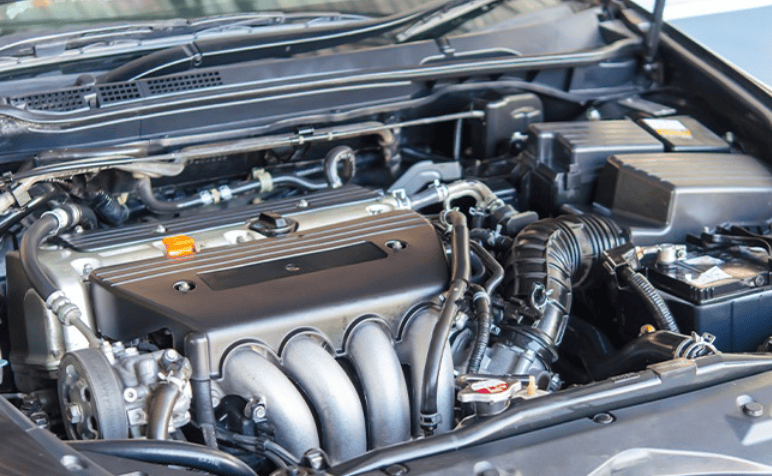
This is measured without any additional load on the engine. That means the power is calculated when the engine runs completely on its own, without operating any auxiliary devices like the alternator, power steering pump, or A/C compressor.
What is Brake Horse Power (BHP)?
Next, let's look at what "Brake Horse Power" (BHP) is. This is the more realistic and practical value. The word "Brake" here is not used because of the vehicle's braking system. The name originates from a load-applying method using a device called a "Prony brake" dynamometer, which was used to measure engine power in the past. Simply put, BHP is the actual power delivered to the wheels or the flywheel when the engine is running with all its auxiliary components attached (such as the A/C, alternator, gearbox, etc.).
The Main Difference: Power Loss
The primary difference between these two is Power Loss. Because of the friction created when internal engine parts like pistons, valves, and the crankshaft rub against each other, and because the engine has to supply power to run the vehicle's other essential components, the practical BHP value you get is always slightly lower than the theoretical HP value. Therefore, the actual driving experience of a vehicle is determined not by the HP figure, but by the BHP figure.
Other Measurement Units
If we talk a bit more about this, in today's modern automotive world, units like 'PS' (Pferdestärke - the German metric) and 'kW' (Kilowatts) are also used alongside HP and BHP. Even though all of these measure power, there can be slight variations in the values based on the measurement methodology and how components are connected. For example, 1 Horse Power is approximately equal to 0.745 Kilowatts (kW).
What Vehicle Owners Should Know
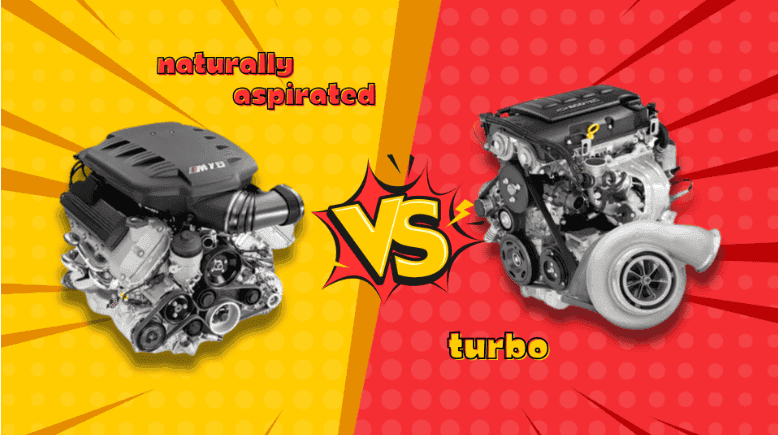
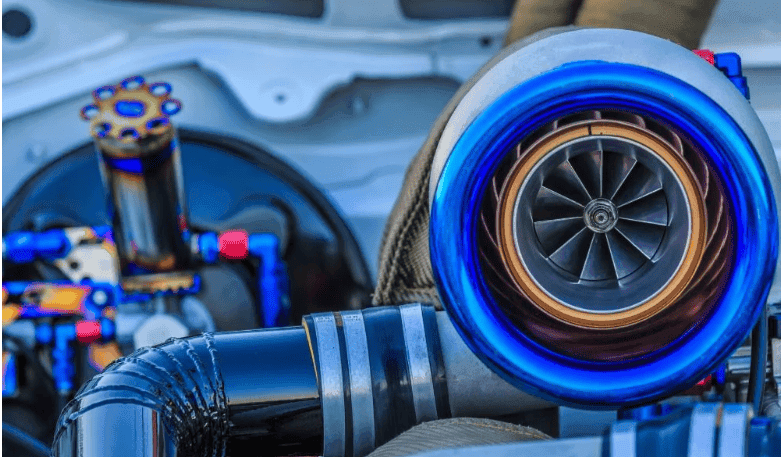
The most important thing you should know as a vehicle owner is that when purchasing or modifying a vehicle, you should always focus on the BHP figure. When tuning an engine or installing a turbocharger, technicians work to increase this BHP value by reducing engine friction and improving air and fuel combustion. Simply increasing the HP figure on paper without addressing these factors will not improve the true driving efficiency of the vehicle.
Motor Guide's Final Advice
Motor Guide's advice is that when you look at a vehicle's specifications, do not assume HP and BHP are the exact same thing. A vehicle's true performance, fuel combustion, and the actual power delivered to the wheels are always determined by the BHP value. If you feel any weakness in the engine, a drop in power, or hear strange noises, ignoring it can reduce the engine's lifespan. Therefore, it is wise to service the vehicle on time and check its true condition using a Dyno Test.
And don't forget to always stay tuned with Motor Guide to learn more valuable information like this about modern vehicles and technology!

Written by
Nisaga Sandaru
A versatile and highly experienced professional, currently an Automobile undergraduate at the University of Jaffna, with strong technical expertise grounded in hands-on work as a technician with SriLankan Airlines Ground Support Equipment (GSE). Holding an Automobile NVQ Level 3 qualification, along with specialized certifications in Vehicle ECU Programming and Diagnosis, and extensive experience in arc welding and vehicle body painting, and well equipped to handle complex automotive, diagnostic, and fabrication-related tasks with a high level of competence.