What to Do If the Brakes Fail

What would happen if your mouth lost its brakes? Can't imagine, right? A lot would happen. Similarly, if a vehicle loses its brakes, we'll face unexpected situations. However, if we know what to do at that moment, there's no problem. Let's say that's true. What should you do if your vehicle's brakes fail? That's what MotorGuide is telling you today.
What to do when brakes fail?
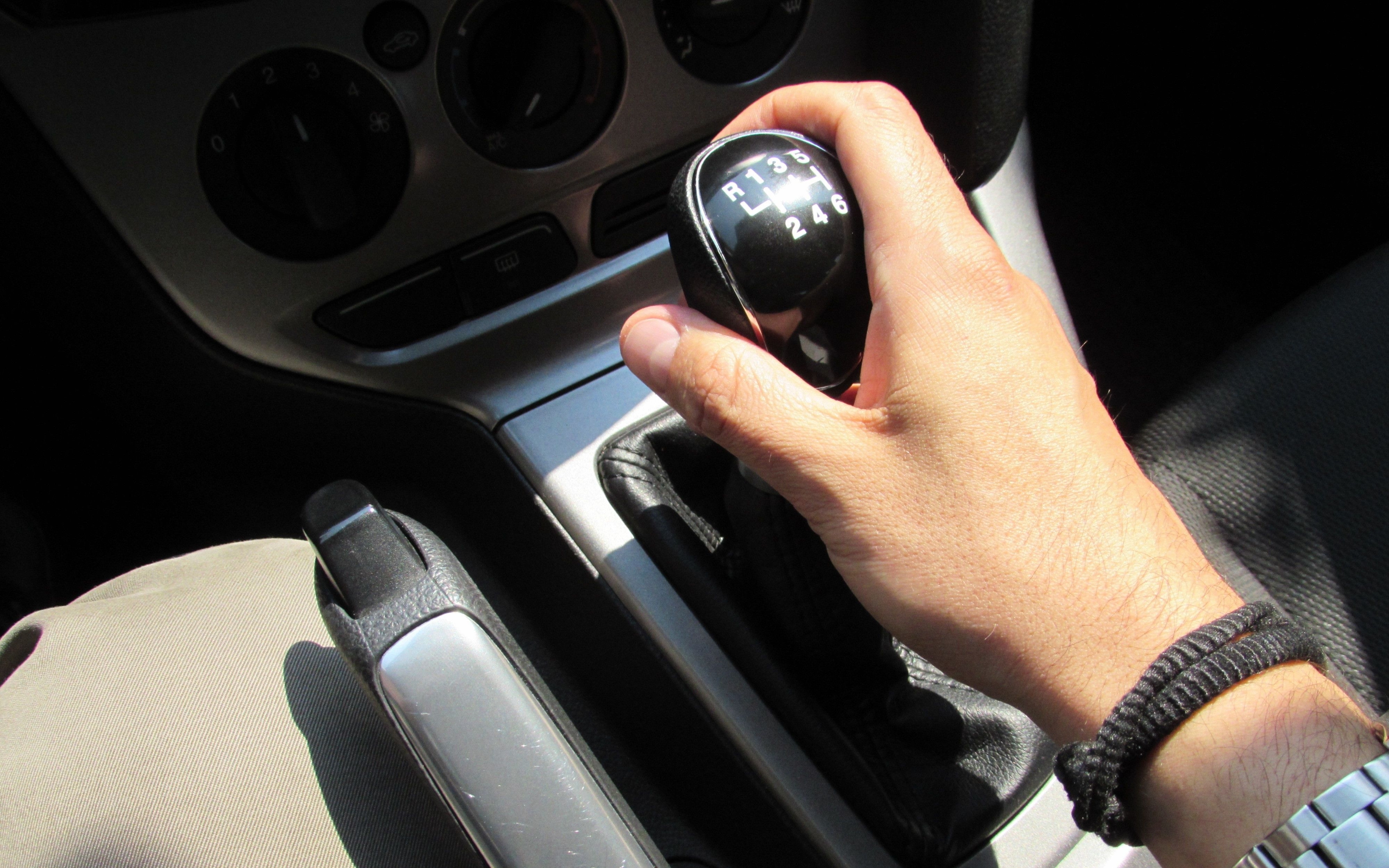
The first thing you should do is take your foot off the gas pedal. Then the vehicle will start to apply engine braking. This will slow the vehicle down. Next, you need to downshift the vehicle. This means you are utilizing the braking power of the engine.
Next, you have two braking options: engine brake and hand brake. Therefore, you should downshift. Because this allows you to slow the vehicle down as needed.
Sometimes, at this point, there might be pressure in the vehicle's brake line. If you pump the brake at that time, you might be able to generate additional braking force from that existing pressure.
Next, you need to apply the hand brake. However, in an emergency, don't pull the hand brake suddenly. You should apply the hand brake gradually while steering the vehicle aside. Then, the vehicle will definitely stop.
What not to do when your vehicle's brakes fail?
Panicking
You might think that suddenly losing brakes while driving is a situation to panic. But that's not the case. If you find yourself panicking unknowingly at that moment, it's because you don't exactly know what to do if your vehicle's brakes fail. Anyway, there's a saying, "You can't even put your hand into a crab's mouth in a hurry." So, don't panic or rush just because your vehicle's brakes have failed.
Downshifting at high speed
No matter how fast you are going, you should downshift slowly. Otherwise, it could damage the vehicle's transmission. Therefore, downshifting should also be done gradually and slowly.
Turning off the engine
When your vehicle's brakes fail, do not turn off the engine. This is because in most vehicles, power steering is supported when the engine is running. Therefore, turning off the engine means you lose control of the steering. This means you won't be able to control the vehicle. At that point, you really won't know what to do. Then, a much bigger accident could occur than what would happen if only the brakes failed.
Shifting to Neutral
Another thing you shouldn't do is shift the vehicle into neutral. Because if you do that, you lose the braking power provided by the engine. If you don't get the vehicle's braking power that way, you'll have to stop the vehicle by applying more pressure to the brake pedal than usual. But then the stopping distance will be greater. So, never shift to neutral just because your vehicle's brakes have failed.
These are the things you should do if your vehicle's brakes suddenly fail. We've told you today about what to do, as well as what not to do when brakes fail. So, from now on, if your vehicle's brakes fail while you're on the road, you don't have to be afraid. However, do not panic unknowingly at that moment. Remember exactly what we told you today and act accordingly.

Written by
Nipuna Marasinghe