What's the Story Behind Sri Lanka's New Green Number Plates in 2026?

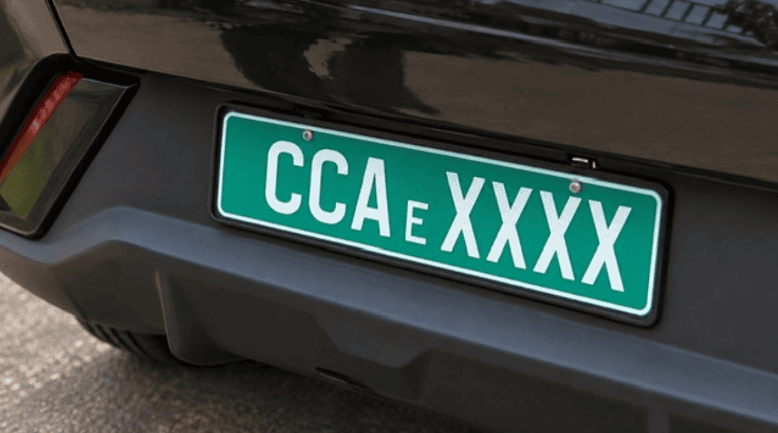
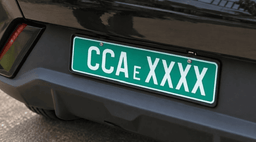
Today at MotorGuide, we're going to talk about a recent change in Sri Lanka's automotive sector that has caught the attention of many drivers and sparked plenty of discussion on social media. It's the introduction of new green number plates by the Department of Motor Traffic (DMT) in 2026.
Recently, a video circulated on social media showing police officers stopping a vehicle with a green number plate because they suspected it was fake. The incident left many people wondering whether these unusual number plates were actually legal and why certain vehicles were using them.
So, what exactly are these green number plates? Which vehicles are eligible for them, and what do the official regulations say? Let's take a closer look at everything you need to know about Sri Lanka's new green number plate system.
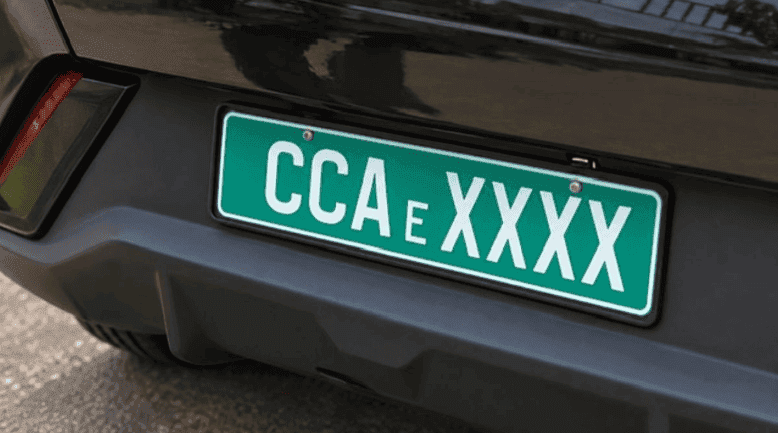
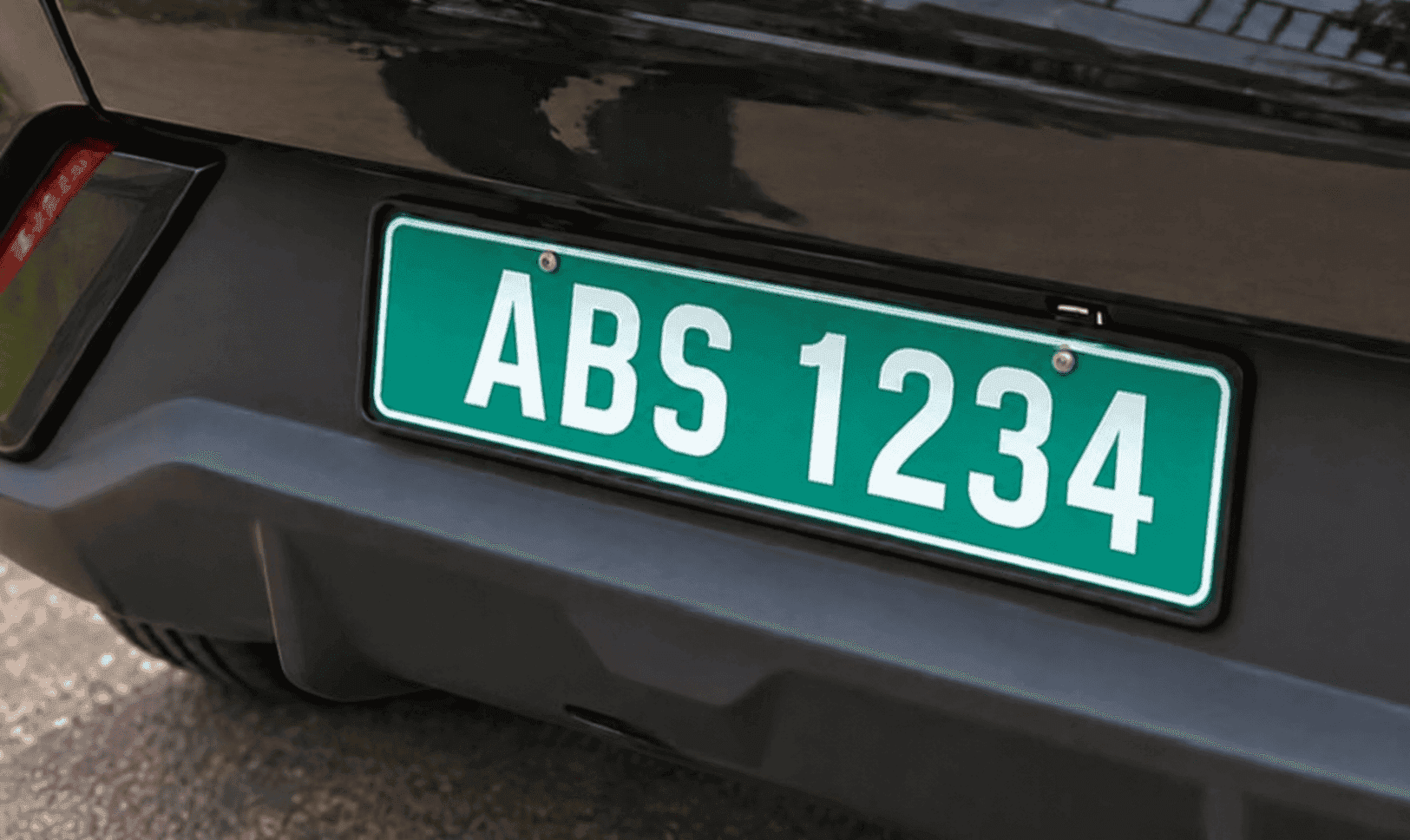
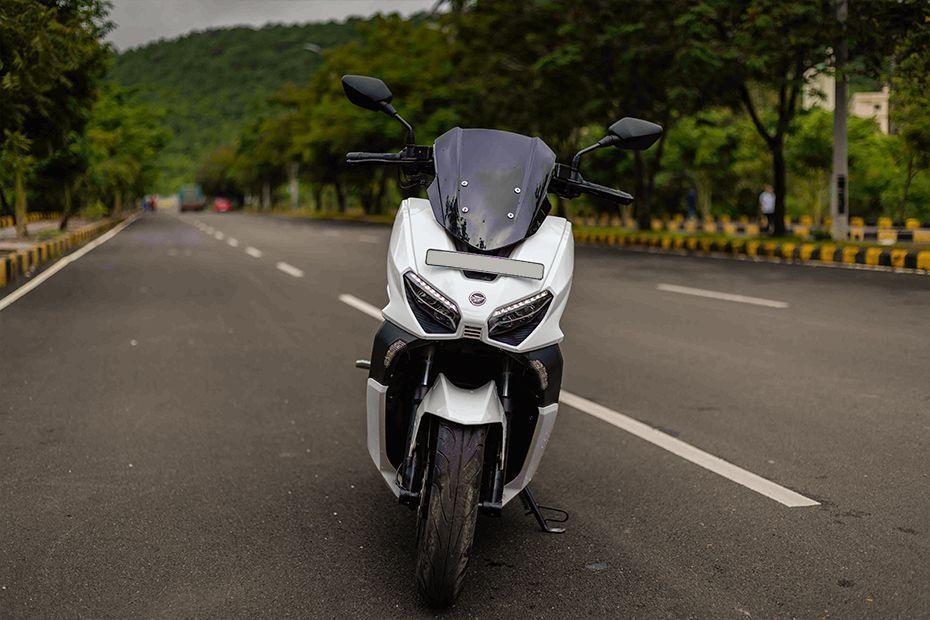
In simple terms, the new number plates with green backgrounds are being introduced specifically for electric vehicles (EVs) registered in Sri Lanka.
Following instructions from the Ministry of Transport, the Department of Motor Traffic officially began introducing this new system around the middle of 2026.
From an automotive industry perspective, this is an important step towards making electric vehicles more easily identifiable on Sri Lankan roads. Since fully electric vehicles produce zero tailpipe emissions, the green number plates help distinguish them from conventional petrol and diesel vehicles.
This approach is also similar to systems used in several other countries to identify environmentally friendly vehicles.
Commissioner General of Motor Traffic, retired Air Vice Marshal Thushara Indunil Fernando, officially confirmed to the media that these green number plates are legally valid.
He also explained that steps had been taken to publish the relevant Gazette notification and inform police stations about the new number plate system.
Meanwhile, conventional petrol and diesel vehicles will continue to receive the familiar white and yellow number plates as usual.
According to the official figures released by the Department of Motor Traffic, approximately 8,000 green number plates had already been printed under the new system.
The department also announced that number plates had been prepared for a total of 88,740 registered vehicles. This total consists of two main categories.
- 56,233 vehicles: Vehicles newly registered between June 10, 2026, and August 31, 2026.
- 32,507 vehicles: Vehicles registered in 2023 and 2024 that were still waiting to receive their official number plates.
One of the most common questions raised by vehicle owners is whether people who already own electric vehicles with conventional white or yellow number plates must replace them with the new green plates.
According to the Commissioner General of Motor Traffic, owners of previously registered electric vehicles are not required to replace their existing number plates with green ones.
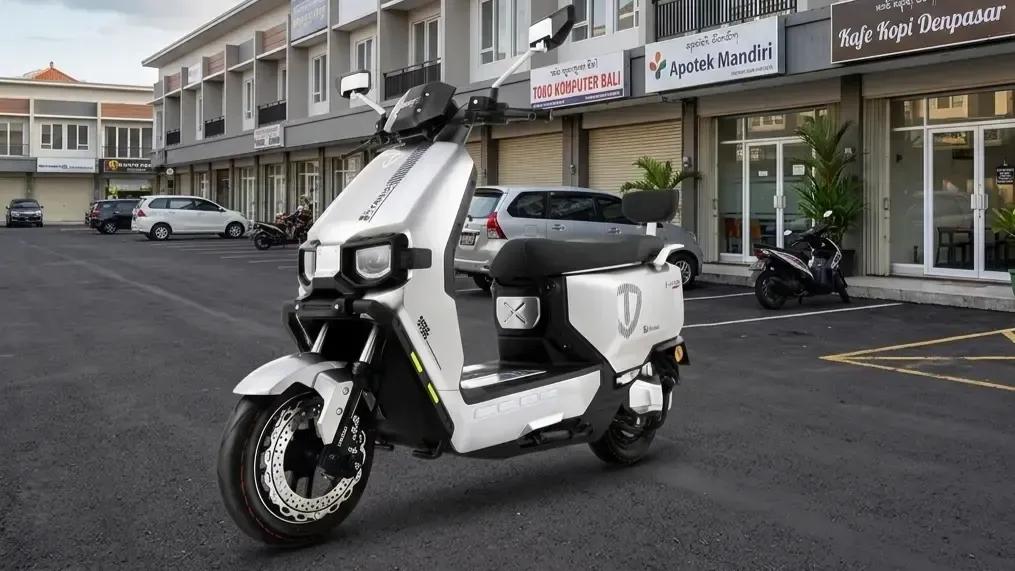
However, newly registered electric cars and electric motorcycles will be issued number plates with green backgrounds under the new system.
Looking at international practices, countries such as the United Kingdom, India, and China have also introduced special identification systems for electric vehicles.
One of the main advantages of having a clearly identifiable number plate is that it can make future transport-related policies easier to implement.
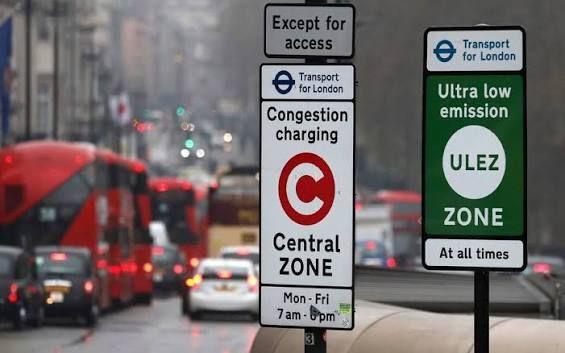
For example, governments may introduce special tax concessions for environmentally friendly vehicles, priority parking facilities for EVs, or exemptions from congestion charges in certain urban areas.
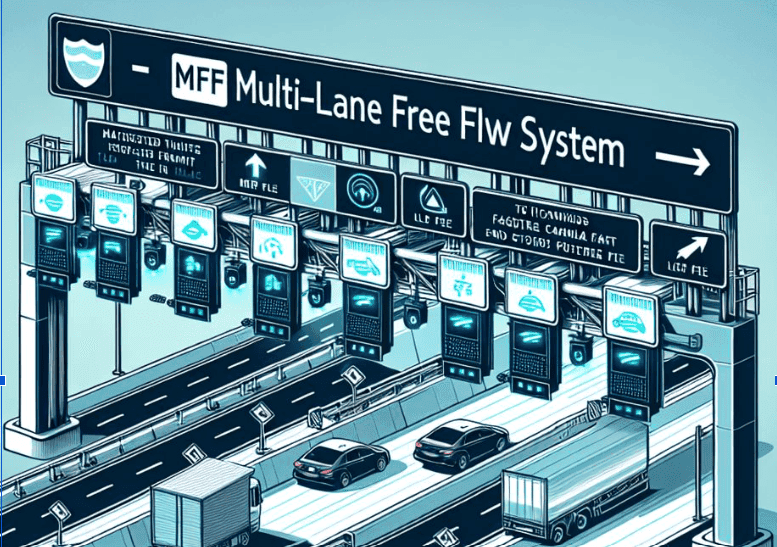
Green number plates could also make it easier for automated camera systems to identify eligible electric vehicles and manage such benefits more efficiently.
However, these are potential applications of the system and do not necessarily mean that all these benefits are currently available to electric vehicle owners in Sri Lanka.
At MotorGuide, our advice is that if you registered your electric or conventional vehicle between June 10 and August 31, 2026, or during 2023 and 2024, and have still not received your official number plates, you should contact the Department of Motor Traffic or visit its head office in Narahenpita to arrange collection.
We also recommend keeping a copy of your vehicle's Certificate of Registration (CR Book) or the official confirmation SMS received from the DMT readily available.
This may help avoid unnecessary delays or confusion during roadside police inspections, particularly while awareness of the new number plate system is still developing.
So, the next time you see a vehicle with a green number plate on a Sri Lankan road, there's no need to assume anything unusual is happening. It's part of the country's new identification system for electric vehicles.
Stay connected with MotorGuide for more useful information about vehicle regulations, modern automotive technology, and the latest developments in Sri Lanka's motoring industry.

Written by
Nisaga Sandaru
A versatile and highly experienced professional, currently an Automobile undergraduate at the University of Jaffna, with strong technical expertise grounded in hands-on work as a technician with SriLankan Airlines Ground Support Equipment (GSE). Holding an Automobile NVQ Level 3 qualification, along with specialized certifications in Vehicle ECU Programming and Diagnosis, and extensive experience in arc welding and vehicle body painting, and well equipped to handle complex automotive, diagnostic, and fabrication-related tasks with a high level of competence.