Mandatory Rear Seat Belt Regulations on Expressways in 2026


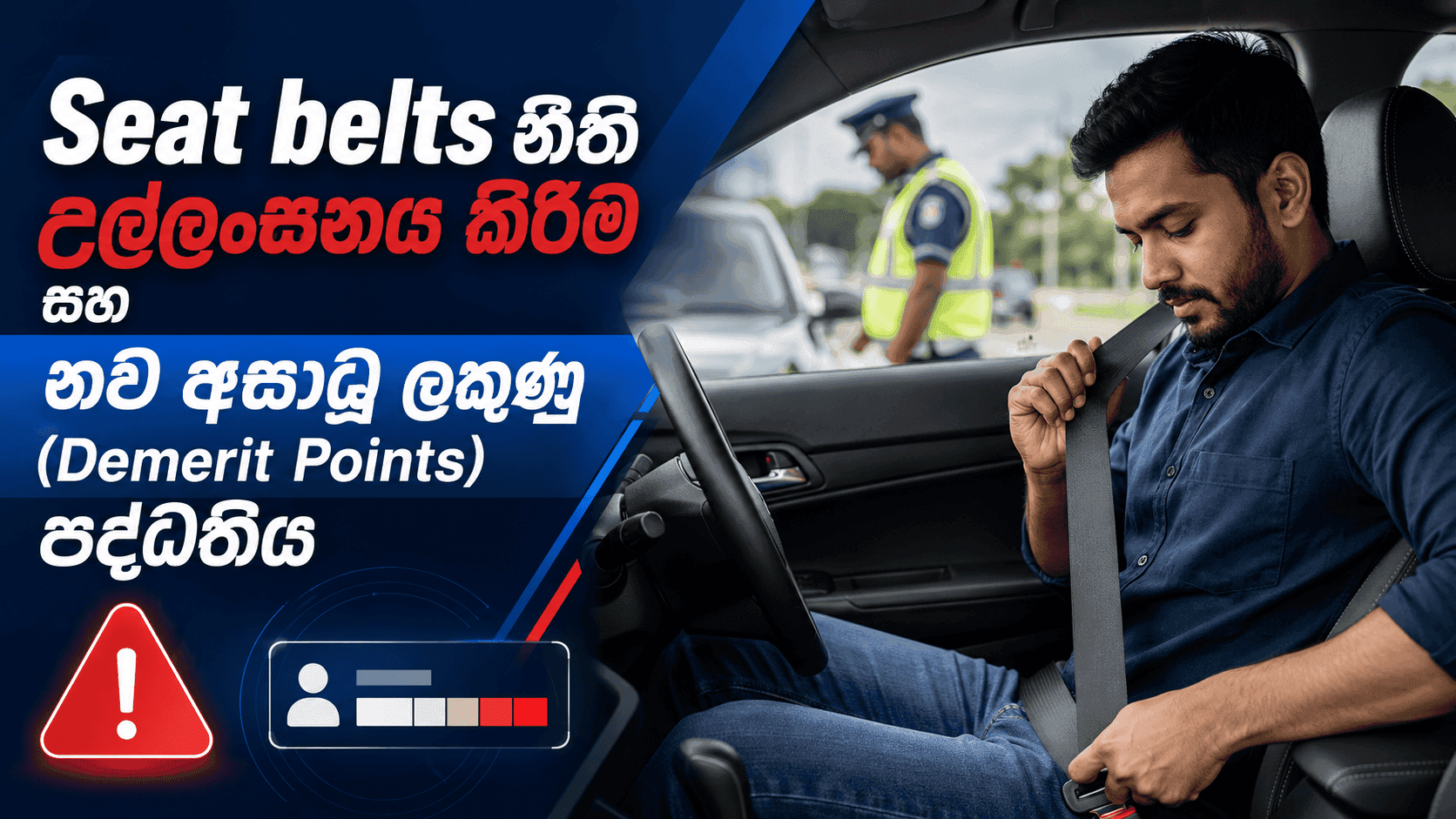
Today at Motor Guide, we are focusing on the mandatory rear seat belt regulations enforced on expressways in Sri Lanka in the year 2026, and their technical importance. It is absolutely essential for every driver and vehicle owner who uses the expressway network in Sri Lanka to have a clear understanding of these new rules and procedures. This is because the Sri Lanka Police and the Road Development Authority (RDA) have now teamed up to strictly inspect this law at expressway entry toll gates as well as in the middle of the expressways.
Strict Legal Enforcement
According to the provisions of the Motor Traffic Act in Sri Lanka, by 2026, every passenger traveling in the rear seats of any light vehicle—meaning cars, vans, and SUVs—entering an expressway must mandatorily wear a seat belt. This law equally applies to every vehicle that has been provided with rear seat belt facilities by the manufacturer. This is constantly monitored through the high-speed CCTV camera systems on the expressways as well as by mobile police patrol units. If the passengers in the rear seats are not wearing seat belts, Sri Lanka now has a legal framework where the driver will have to face judicial action or pay a hefty fine.
The Fatal Misconception and the Physics of a Crash
As professionals in this field, a tragic situation we constantly observe is that many people in Sri Lanka assume seat belts are only necessary for the two front seats. However, from a technical standpoint, that is a completely wrong assumption. When a vehicle is traveling at 100 km/h or more on an expressway and meets with a sudden accident, the vehicle stops immediately. However, the people inside the vehicle continue to move forward at that exact same speed. In such a moment, if a passenger in the rear seat is not wearing a seat belt, they can be thrown forward at high speed, hitting the front seats or the front windscreen, resulting in severe injuries. Furthermore, because the rear passengers are thrown onto the people in the front, the front passengers also suffer fatal injuries.
Integration with Modern Safety Systems
When discussing safety systems in modern vehicles, the seat belt is directly connected to the vehicle's Airbag system. A vehicle's SRS Airbags will only deploy if the seat belt is buckled. In some modern vehicles, systems like airbags and Seat Belt Pre-tensioners are also included for the rear seats. At the exact moment of a crash, this pre-tensioner instantly retracts and tightens the seat belt, keeping the passenger firmly pinned to the seat. If you are not wearing a seat belt, you will not receive any of these safety benefits. That is exactly why the regulations in Sri Lanka have made this mandatory.
Hidden Belts and Seat Cover Issues
Another major mistake made by vehicle owners in Sri Lanka is sewing over the rear seat belt buckles and belts when installing custom seat covers, or tucking them underneath the seats to make them look neat. According to the 2026 rules, if the police inspect a vehicle on the expressway and find that the rear seat belts are hidden or modified in a way that makes them unusable, that too becomes a punishable offense. Therefore, it is the driver's responsibility to always keep the rear seat belts in a fully functional condition.
Regular Inspections and Child Safety
We advise you to pull and check your vehicle's rear seat belts at least once a week. You must see if they lock when pulled suddenly, whether they lock with a proper 'click' sound when inserted into the buckle, and if the threads of the belt are stretched or decaying. In the event of a crash on the expressway, this small device is what decides the difference between life and death. Additionally, when carrying young children in the rear seats, ensure you use dedicated Child Seats and securely connect them to the rear seat belt system or the Isofix anchor points correctly.
Motor Guide's Final Advice
Before even entering an expressway, stop the vehicle and remind everyone in the rear seats to buckle their seat belts. Develop this habit not just to escape the law, but for the safety of your own life and the lives of your family members. Ensuring the safety of the passengers inside is the ultimate responsibility of the driver, just as much as driving the vehicle. Strive to be a driver who respects the law and follows technical advice.
And don't forget to always stay tuned with Motor Guide to learn more valuable information like this about modern vehicles and technology!
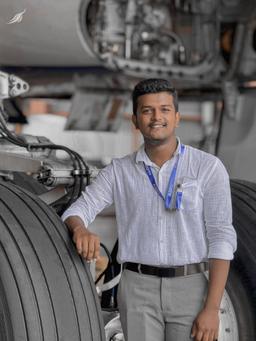
Written by
Nisaga Sandaru
A versatile and highly experienced professional, currently an Automobile undergraduate at the University of Jaffna, with strong technical expertise grounded in hands-on work as a technician with SriLankan Airlines Ground Support Equipment (GSE). Holding an Automobile NVQ Level 3 qualification, along with specialized certifications in Vehicle ECU Programming and Diagnosis, and extensive experience in arc welding and vehicle body painting, and well equipped to handle complex automotive, diagnostic, and fabrication-related tasks with a high level of competence.