Multimodal Transport Hubs and New Traffic Signal Systems Introduced in 2026

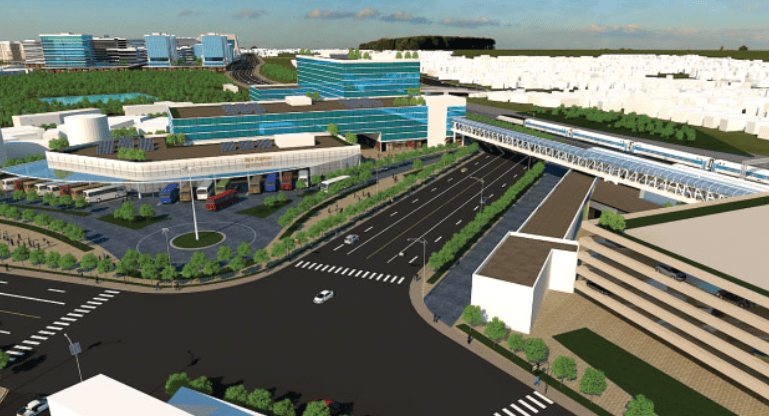
Today at Motor Guide, we decided to discuss some highly important transportation and technological changes occurring in Sri Lanka in the year 2026. Specifically, we intend to talk in detail about the Multimodal Transport Hubs that have started operating across Sri Lanka as a solution to heavy road traffic and the disorganized public transport system, as well as the modern Traffic Signal Systems installed on our roads.
It is incredibly valuable for drivers as well as the general public to be accurately informed about these changes. This is because all these developments directly affect our daily lives and the way we use our vehicles.
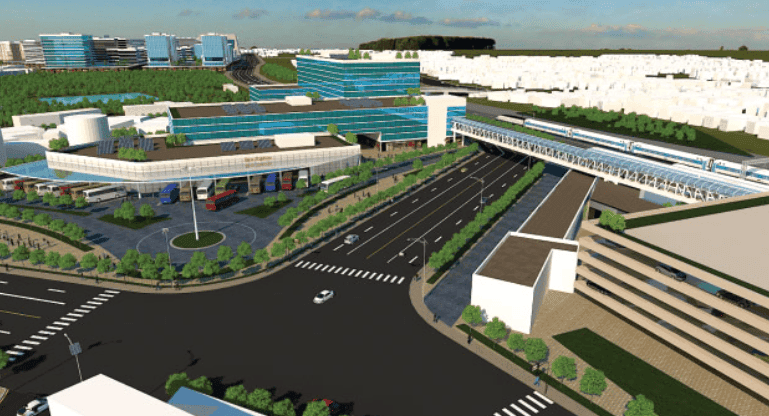
What is a Multimodal Transport Hub?
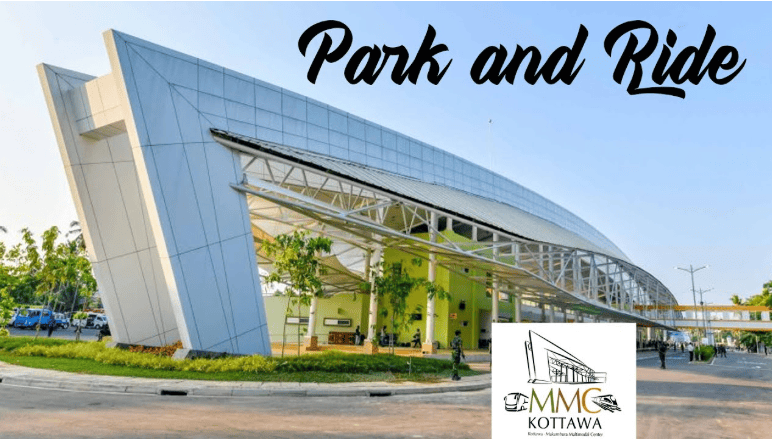
First, let's look clearly at how this concept of Multimodal Transport Hubs is currently operating in Sri Lanka. Simply put, this system brings together and interconnects every mode of transport—trains, SLTB buses, private buses, expressway passenger buses, as well as three-wheelers and taxi services—into one single location. As you all may have seen, a hub like this is currently operating very successfully in the Kottawa-Makumbura area in Sri Lanka.
Now, by the year 2026, arrangements have been made to construct and operate similar hubs on a much broader scale in major cities like Colombo Fort, Pettah, and Kandy. These hubs contain a multitude of modern technological facilities. Digital information screens have been installed to make traveling easier for passengers. Furthermore, the technology to pay for all these transport services using a single Smart Travel Card is gradually being introduced.
The "Park and Ride" Concept
It is also essential to clearly understand the true value and technical background of these Multimodal Transport Hubs. One of the main facilities here is the ability to park your vehicle and take another transport service. This means you can park your private vehicle in a secure parking facility at this hub, and from there, use a train or luxury bus service to travel into the city where there is heavy traffic congestion.
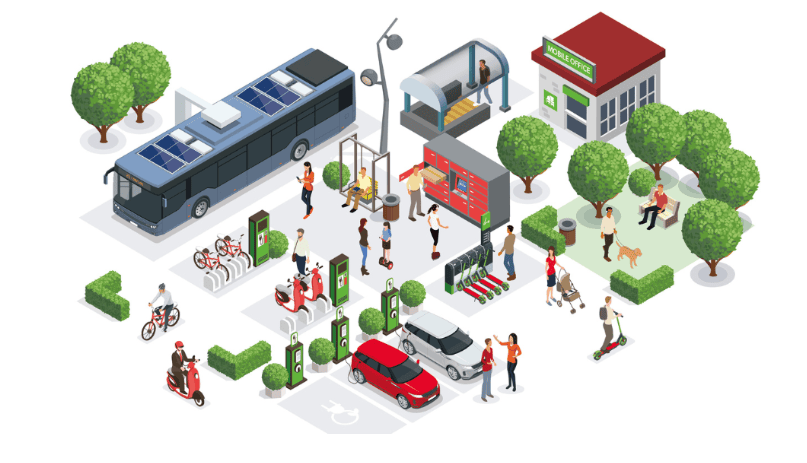
This allows for a reduction in the number of vehicles entering the city and controls unnecessary environmental pollution. From a mechanical perspective, these hubs have established separate maintenance yards and fuel stations for public transport vehicles, as well as state-of-the-art fast-charging stations for electric vehicles. This brings the efficiency of the transport sector to a maximum level.
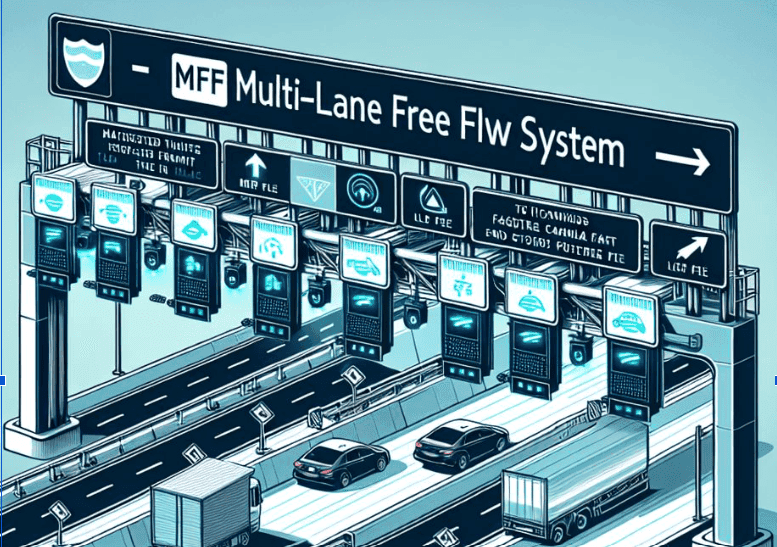
The AI-Powered Smart Traffic Signal System
Now let's talk about the brand-new traffic signal system currently seen on the roads of our country. In the traditional traffic signal system we used to see, red, yellow, and green lights illuminated according to pre-set, fixed time intervals. Even if hundreds of vehicles were stuck on one side of the road and there wasn't a single vehicle on the other side, vehicles had to wait until the pre-programmed time ran out.
However, this new system operating in 2026 utilizes completely different technology. This is a Smart Traffic Signal System operating based on Artificial Intelligence (AI) and modern sensors. Specialized cameras installed on the roads live-calculate the volume of vehicles and the length of the vehicle queue in each lane.
This smart system instantly and automatically decides to allocate more green-light time to lanes with heavy traffic and less time to lanes with fewer vehicles. This completely prevents vehicles from being held up unnecessarily at intersections. This system is already being gradually expanded and successfully operated in the city of Colombo and its surrounding suburbs.
Because this entire system is connected to a central traffic control unit, traffic flow across the whole city can be managed as a single network. For example, when an emergency service vehicle like an ambulance or a fire truck is traveling on the road, this modern technology can identify it via the vehicle's GPS technology or the signal system's cameras and automatically open up that lane for them.
Mechanical Benefits for Your Vehicle
Furthermore, because of modern systems like this, the impact on vehicle engines and internal mechanical components is very favorable. When vehicles are constantly stopped on the road, engines overheat unnecessarily, fuel is wasted, and environmental pollution reaches its peak. Especially due to constant braking and gear shifting, parts like clutch plates, brake pads, and tires undergo rapid wear and tear.
When the new signal system reduces unnecessary vehicle stops and streamlines traffic flow, this unnecessary mechanical wear and fuel combustion can be massively reduced. This is a huge relief for vehicle owners in lowering their maintenance costs, as well as a great advantage for the country's overall economy.
High-Speed Detection and Digital Fines
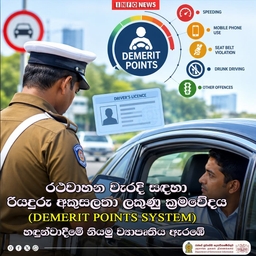
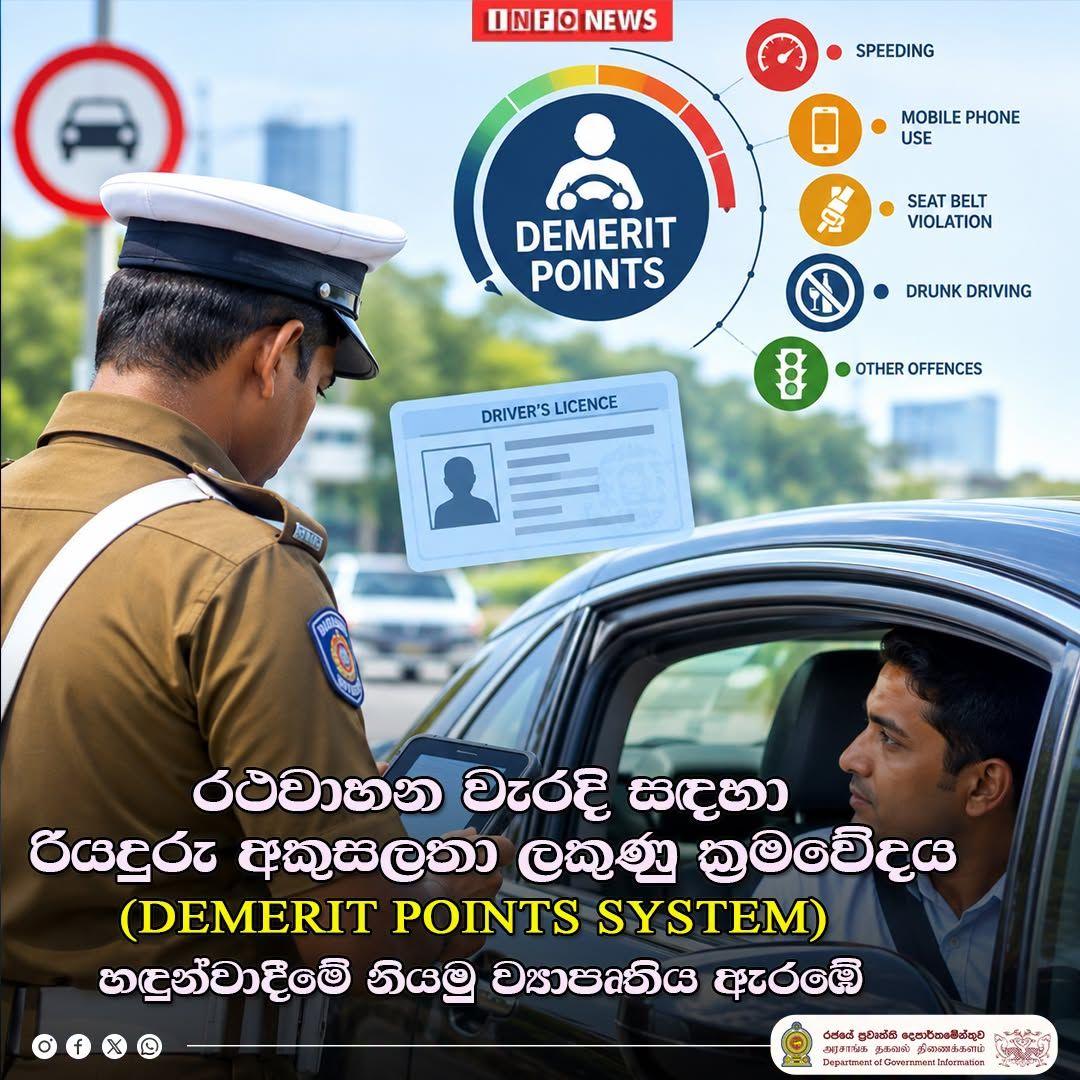
Another very important factor is the ability of the high-speed detection CCTV camera system—installed alongside this new signal system—to automatically identify vehicles violating traffic rules. These cameras capture very clear footage of the license plates and the driver's actions of vehicles violating lane laws, crossing solid yellow lines, or speeding through red lights.
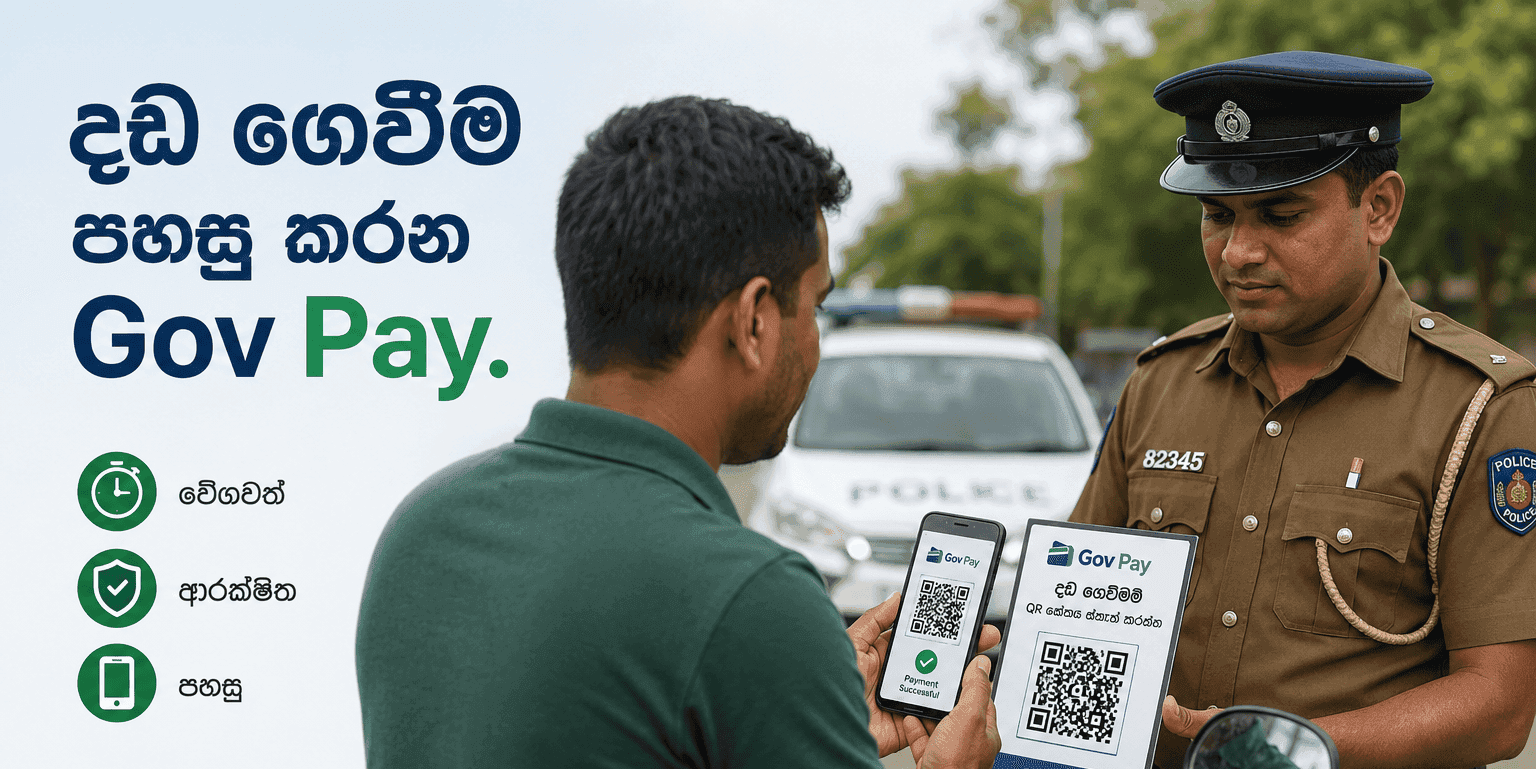
The technical background for sending the relevant fine tickets and legal regulations digitally, directly to the vehicle owner's address or phone, is now gradually being established in Sri Lanka. Because of this, drivers must get used to using the roads much more disciplined and carefully than before. As technology advances, we must invariably adapt to it.
Motor Guide's Final Advice
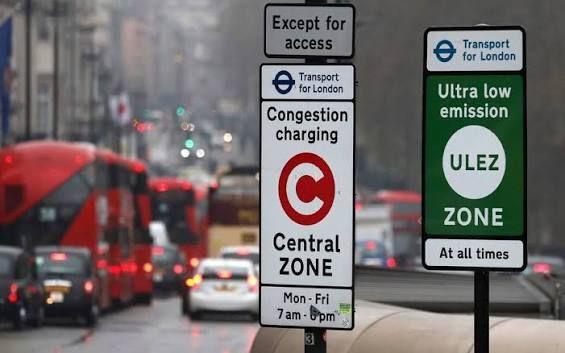
Looking at all these things technically, it is evident that Sri Lanka's transport sector is modernizing. While Multimodal Transport Hubs create an environment where passengers can place their trust in public transport, smart traffic signals attempt to provide a sustainable solution to traffic congestion. It has been estimated that by integrating and operating both these systems together, traffic congestion in urban areas can be reduced to a significant level. As drivers, what we must do is accurately read and understand the instructions provided by road signs and digital boards while driving and drive accordingly.
Motor Guide's advice is that when new technological advancements like this come to the country, to get the maximum benefit from them, we must perfectly fulfill our duties and responsibilities from our end. Get used to properly utilizing the modern facilities and parking lots at Multimodal Transport Hubs. Instead of taking your private vehicle right into the city and loitering in traffic, try to save time and money by using services like "Park and Ride." Also, while driving on the road, adapt to the new signal systems and obey lane laws to the letter. Remember that it is everyone's responsibility to engage in eco-friendly and safe driving while properly maintaining the condition of the vehicle's engine and brake system.
And don't forget to always stay tuned with Motor Guide to learn more valuable information like this about modern vehicles and technology!
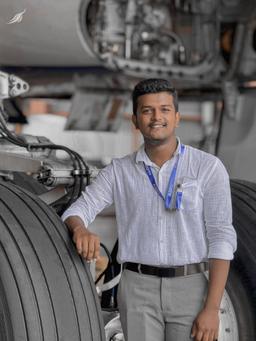
Written by
Nisaga Sandaru
A versatile and highly experienced professional, currently an Automobile undergraduate at the University of Jaffna, with strong technical expertise grounded in hands-on work as a technician with SriLankan Airlines Ground Support Equipment (GSE). Holding an Automobile NVQ Level 3 qualification, along with specialized certifications in Vehicle ECU Programming and Diagnosis, and extensive experience in arc welding and vehicle body painting, and well equipped to handle complex automotive, diagnostic, and fabrication-related tasks with a high level of competence.