Why Does the Engine Light Come On If the Fuel Cap Isn't Closed Properly?

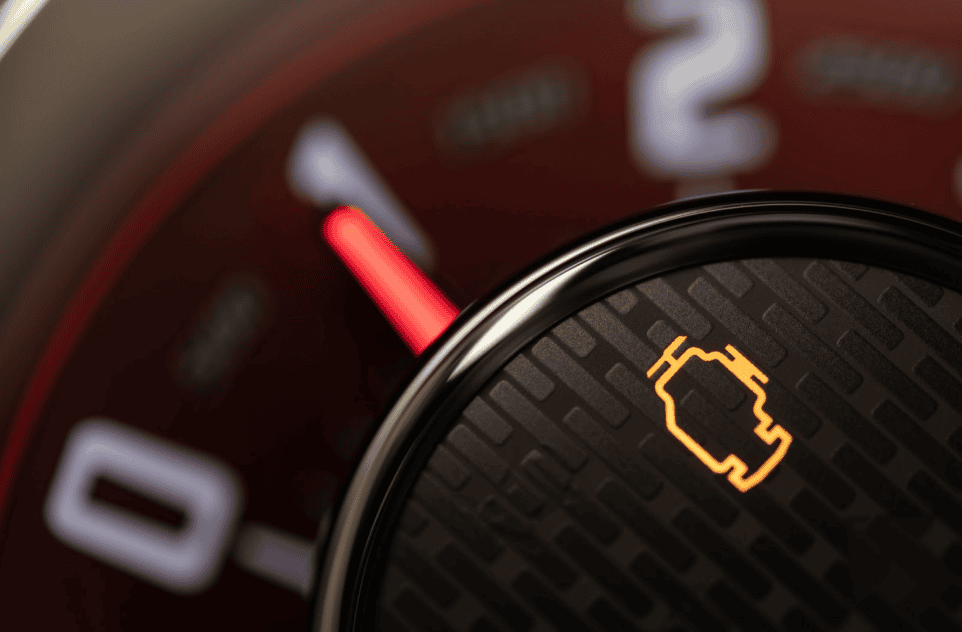
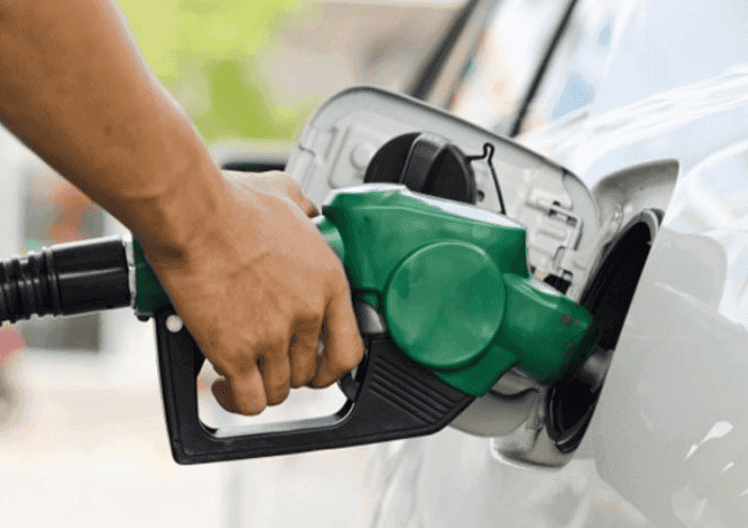
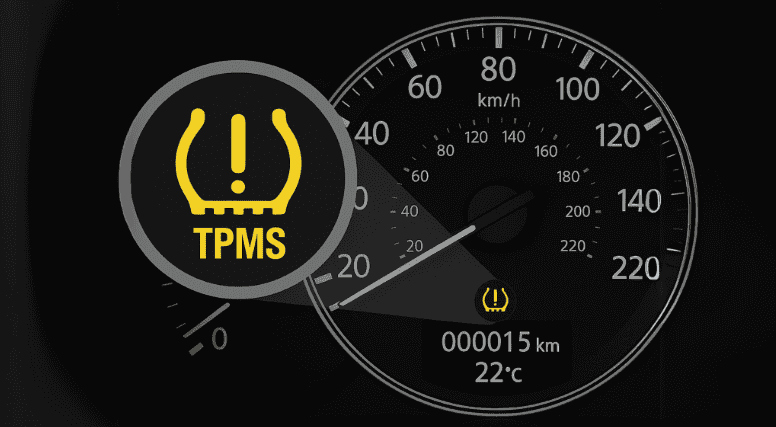
Today, Motor Guide is going to explain a problem that panics many people, but where the 'Check Engine' light can turn on due to a very simple reason. Whenever the 'Check Engine' light illuminates on a vehicle's dashboard, anyone gets scared. But did you know that sometimes this light comes on simply because you finished pumping petrol and didn't close the tank lid, or "Fuel Cap," properly? This is not a random occurrence; there is a significant scientific and mechanical reason behind it. Let us explain it to you clearly.
What is the EVAP System?
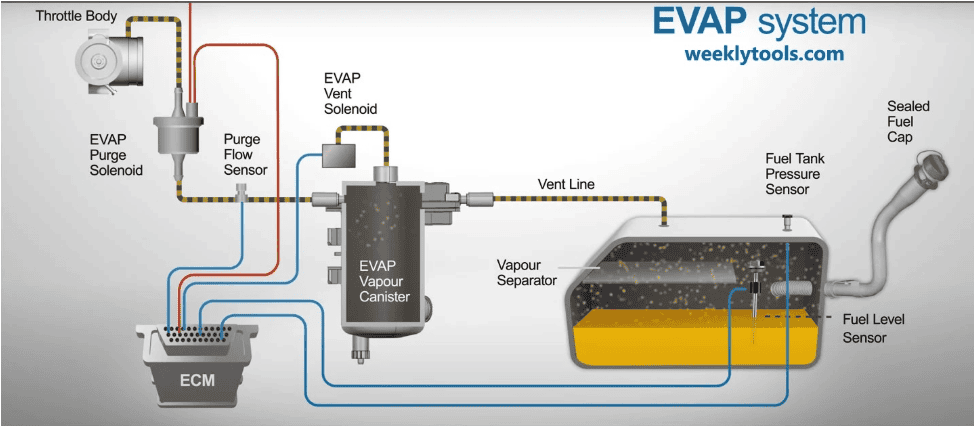
Every modern vehicle has a system called EVAP (Evaporative Emission Control System). Its primary job is to control the fuel vapors created inside the fuel tank and prevent them from being released into the environment. Petrol is a fuel that evaporates very quickly. If these vapors escape into the atmosphere, it causes air pollution and is also a loss to your wallet.
For the EVAP system to work correctly, the fuel tank and its connected pipe system must be completely Airtight. The fuel lid, or Fuel Cap, is the main component that seals this system. If you close it loosely, or if the rubber washer (Gasket) on it is old and cracked, the system cannot maintain the pressure inside the tank.
How Does the Vehicle's Computer (ECU) Know This?
While the vehicle is started and being driven, the main computer, or ECU (Engine Control Unit), periodically checks the pressure of the EVAP system. Pressure Sensors are installed inside the tank for this purpose.
When you haven't closed the fuel cap properly, outside air enters the system. The sensors then inform the computer that there is a pressure "Leaking" in the system. Although this is not a fault that directly affects the engine's mechanical operation, because it is an error in an emission control system, the computer immediately turns on the 'Check Engine' light. Generally, if you look with an OBD Scanner at this time, you might see codes like P0440, P0442, or P0455.
The Importance of the Fuel Cap
We often think the cap is just a simple cover. However, it contains a specific valve and a seal inside. When you close the cap, you must turn it until you hear a "click-click" sound. That sound signifies that the cap has been tightened to the correct pressure.
Sometimes, even if you close the cap, the light might come on. The reason for this could be that the rubber washer on the cap is damaged. Then, even if the cap is closed, the air leak does not stop. Similarly, if the threads are not aligned correctly when closing the cap, it closes crookedly. Even then, the system will not seal.
Why Does This Affect Engine Efficiency?
Instead of just letting petrol vapors go to waste, the EVAP system stores those vapors through a "Charcoal Canister" and routes them back into the engine for combustion. When the cap is loose, this process is disrupted.
When there is an air leak in the system, the Air-Fuel Ratio entering the engine can change slightly. Because of this, the vehicle's fuel economy can decrease. Furthermore, harmful hydrocarbons are released into the environment.
What Should You Do in Such a Situation?
If the engine light suddenly comes on while you are driving, do not panic initially. Safely park the vehicle and follow these steps:
- Check the Fuel Cap: Remove the cap and close it tightly again. Tighten it until you hear at least three click sounds.
- Inspect the Rubber Washer: Check the rubber ring on the cap for cracks or dust. If there is dust, wipe it off with a clean cloth.
- Drive the Vehicle: The light will not turn off the instant you tighten the cap. You need to drive for a few kilometers or a day or two so the vehicle's computer can retest the system pressure (Self-test) and confirm it is correct.
- If the Light Doesn't Turn Off: If the light is still on after two or three days, you must definitely get it scanned by a technician. Sometimes, another pipe or sensor in the EVAP system might have failed.
Remember, it is not a good practice to keep driving with the Check Engine light on. This is because if the light is already on due to a loose cap, you will not be able to identify if another, more serious fault occurs.
As a mechanical tip, we suggest making it a habit to always double-check if you have closed the cap tightly after pumping fuel. That small habit can save you unnecessary garage expenses and mental stress.

Written by
Nisaga Sandaru
A versatile and highly experienced professional, currently an Automobile undergraduate at the University of Jaffna, with strong technical expertise grounded in hands-on work as a technician with SriLankan Airlines Ground Support Equipment (GSE). Holding an Automobile NVQ Level 3 qualification, along with specialized certifications in Vehicle ECU Programming and Diagnosis, and extensive experience in arc welding and vehicle body painting, and well equipped to handle complex automotive, diagnostic, and fabrication-related tasks with a high level of competence.