Let's talk about engine flooding, which affects gasoline engines the most.

Since the inception of petrol cars, common folk have pondered how or why engine flooding happens, while others remained indifferent as long as they got from point A to B. Nowadays, this issue is becoming less common as cars are updated with advanced ECUs every year. In modern times, this scenario is rare because fuel is injected into the combustion chamber using electronic fuel injection. However, the chances are not entirely zero, so we'll explore everything related to engine flooding.
What Exactly is Engine Flooding?
It's quite literally what it sounds and means: flooding. An internal combustion engine requires a spark, fuel, and air. A mismatch in the ratio or timing of these three factors causes your engine to misbehave. In this case, an excess of fuel flooding the combustion chamber essentially "drowns" it, leading to a poor combustion reaction or, in some cases, none at all. The air-fuel mixture is the key ingredient for efficient combustion, and any hindrance to this ratio would cause engine flooding.
Are Diesel Engines Affected?
Although diesel engines lack the spark of the essential combustion trinity found in petrol engines, they still maintain a constant air-fuel mixture under high pressure. An imbalance in this ratio, caused by an excess of fuel within the combustion chamber, would lead to the same result: a mismatched combustion or no thermal reaction at all.
How Does Engine Flooding Occur?
From the moment you start your car, there are several instances where your vehicle could experience engine flooding:
Excessive Accelerator Pumps
Upon starting the car, excessively pumping the accelerator pedal can cause the chamber to fill with unburnt fuel. This contradicts the practice in older manual cars where drivers would pump the gas pedal during startup for a quick start, and when done correctly, it worked.
Cold Weather
Cold weather, while not typically an issue in most of Sri Lanka, can affect the fuel's ability to remain in a gaseous state. It cools the fuel, causing it to condense back into a liquid, creating an excess of liquid fuel within the combustion chamber.
Sensor Issues
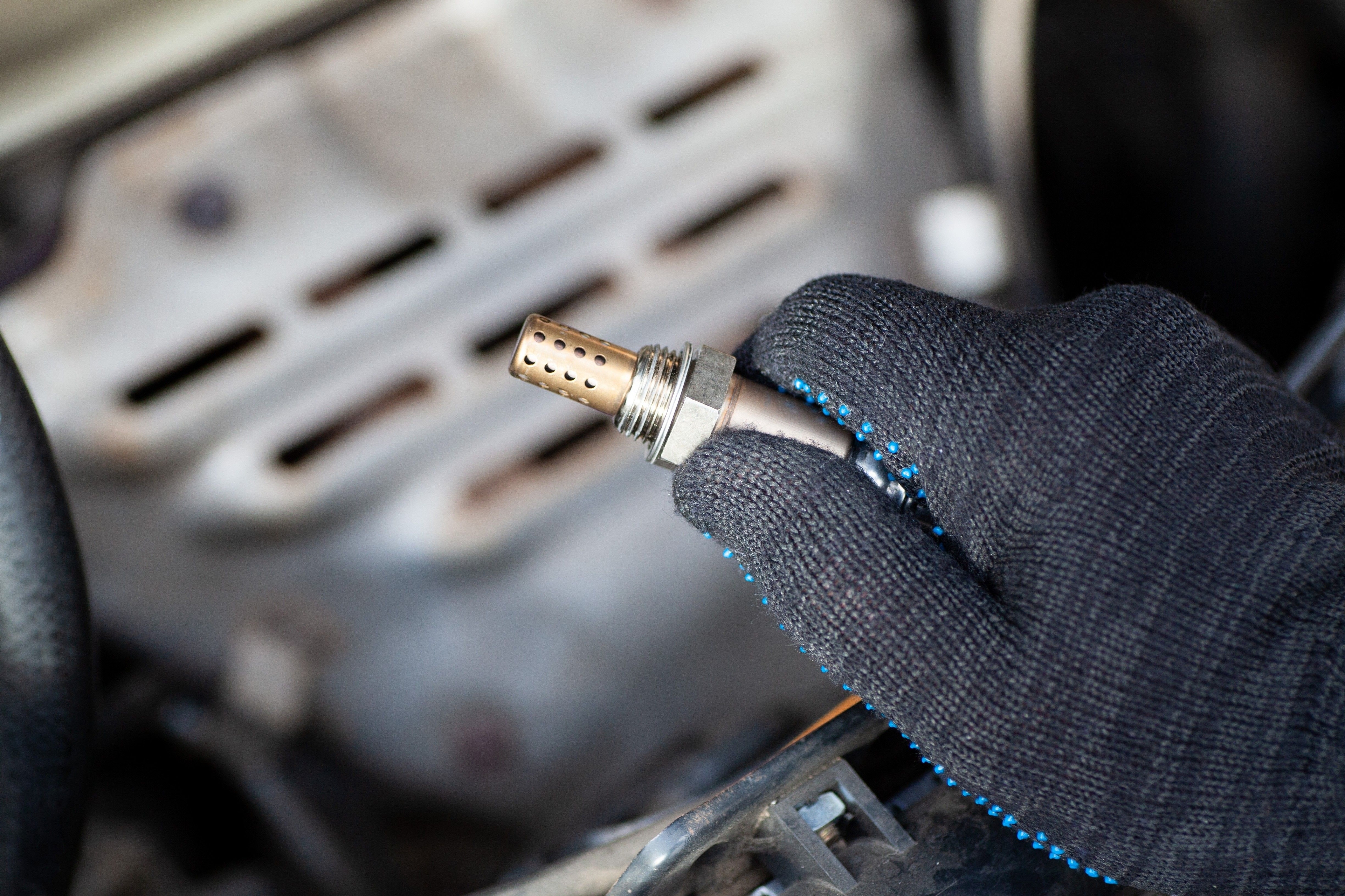
A faulty oxygen sensor could send inaccurate information to the ECU, resulting in an imbalance of the air-fuel mixture ratio, which leads to engine flooding.
Ignition System Faults
Mistimed or burnt-out spark plugs, ignition coils, or other components of the ignition system can leave an excess of unburnt fuel, which will result in flooding over time.
Fuel Pump Faults
An incorrect input from the fuel pump or the fuel pump regulator through the fuel lines would also have the same impact, contributing to engine flooding.
Off and On – An Unexpected Cause
Continuously starting your car and turning it off again can also cause engine flooding. Every time your key is in the ignition, fuel is primed and pumped to the spray nozzles; a continuous repetition of these actions would result in engine flooding.
Symptoms of a Flooded Engine
An Overwhelming Smell of Gasoline
Your ECU determines how much fuel is primed in each situation before it's released into the chamber, ensuring maximized combustion. However, an overwhelming odor of gasoline suggests that some unburnt fuel vapor is escaping the combustion chamber.
Longer Ignition Times to Start
If you notice that your car's ignition takes much longer than expected or longer than its average, it could suggest that the spark is struggling to provide enough energy for an excess amount of fuel, resulting in a longer ignition cycle.
Misfiring and Flooding Equilibrium
While misfiring is often caused by engine flooding, this relationship can also work in reverse. Mismatched ratios of air (the other component in the chamber) can cause misfires. These misfires then lead to unburnt fuel during combustion. This means your misfires could be a sign of blown spark plugs, a faulty fuel pump, or in this scenario, your engine being flooded.
Now that you're certified experts in the field of engine flooding, feel free to discuss its causes, symptoms, and suggested repairs in your "petrolhead" conversations.

Written by
Nipuna Marasinghe