Let's Learn About Wheel Alignment and Balancing

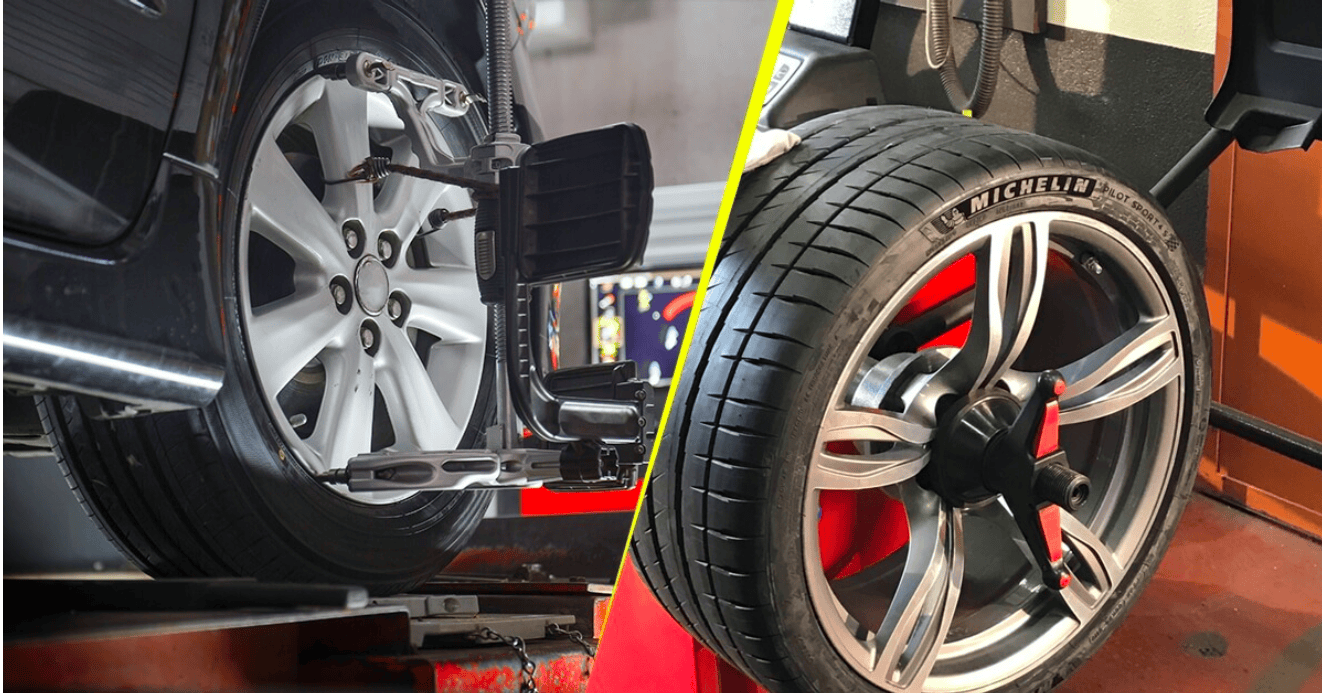
Two words frequently heard by everyone who uses a vehicle are Wheel Alignment and Wheel Balancing. However, many people do not exactly know the difference between these two and why they are important. Today, let's talk about this simply.
What is Wheel Alignment?
Wheel Alignment is the process of adjusting the angles of the vehicle's wheels so that they are correct relative to each other and perpendicular to the ground. When using a vehicle for some time, especially due to falling into potholes, these angles can change. Here, three main measurements known as Camber, Caster, and Toe are primarily checked and corrected.
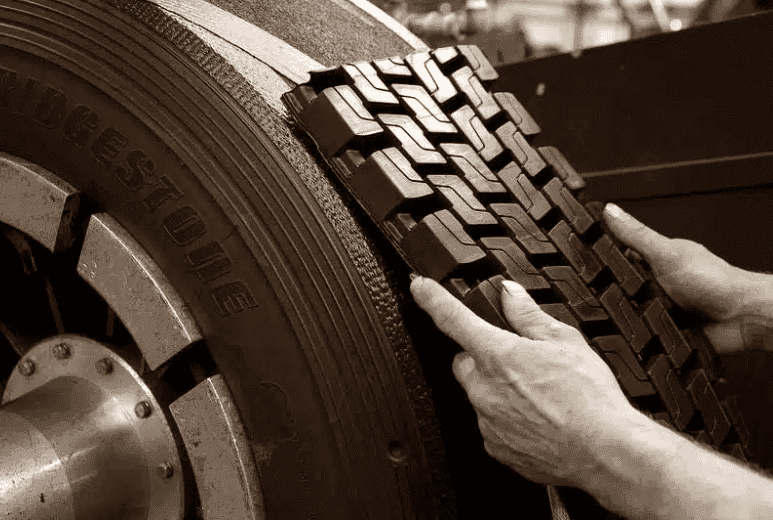
If your steering wheel pulls to one side while driving or if the wheels wear unevenly (wear on only one side), you must definitely check the Wheel Alignment. Having the correct alignment makes the vehicle's handling easier and increases the lifespan of the tires.
What is Wheel Balancing?
Wheel Balancing is the process of adjusting the wheel and tire so that the weight is distributed evenly. When manufacturing a tire and a Rim, the weight is not identical to the milligram everywhere. Even a slight difference in this weight can cause significant shaking when the wheel spins fast.
If you feel the steering wheel or the entire vehicle vibrating when traveling at a certain speed (for example, at speeds over 80km/h), that is a sign that the balance of the wheels is lost. Here, using a specialized machine, small "lead weights" are added to the lighter side of the wheel to balance it.
Why Are Both of These Important?
By performing both of these maintenance tasks on time, you gain several advantages:
- Tire Protection: It prevents tires from wearing unevenly and getting destroyed quickly.
- Fuel Efficiency: When wheels are aligned correctly, the engine does not have to work hard to push the vehicle forward.
- Safety: This reduces the risk of skidding on the road and makes controlling the vehicle easier.
- Comfort: You can have a comfortable journey because vehicle vibration and pulling to one side are eliminated.
Generally, it is very suitable to perform these checks every 8,000 - 10,000 km or once every 6 months.
In addition to the scheduled time, you must check Alignment and Balancing in the following instances:
- When installing two or four new tires.
- When parts of the vehicle's Suspension system (e.g., Rack ends, Ball joints, Bushes) are replaced.
- When you hit a deep pothole hard or the wheel hits a curb.
- If the steering wheel vibrates when driving at high speed.
If you want to use your vehicle's tires for a long time without replacing them, the method known as "Tire Rotation" is also very important.

Written by
Nisaga Sandaru
A versatile and highly experienced professional, currently an Automobile undergraduate at the University of Jaffna, with strong technical expertise grounded in hands-on work as a technician with SriLankan Airlines Ground Support Equipment (GSE). Holding an Automobile NVQ Level 3 qualification, along with specialized certifications in Vehicle ECU Programming and Diagnosis, and extensive experience in arc welding and vehicle body painting, and well equipped to handle complex automotive, diagnostic, and fabrication-related tasks with a high level of competence.