Identifying When to Replace a Motorcycle Tyre Using Markings

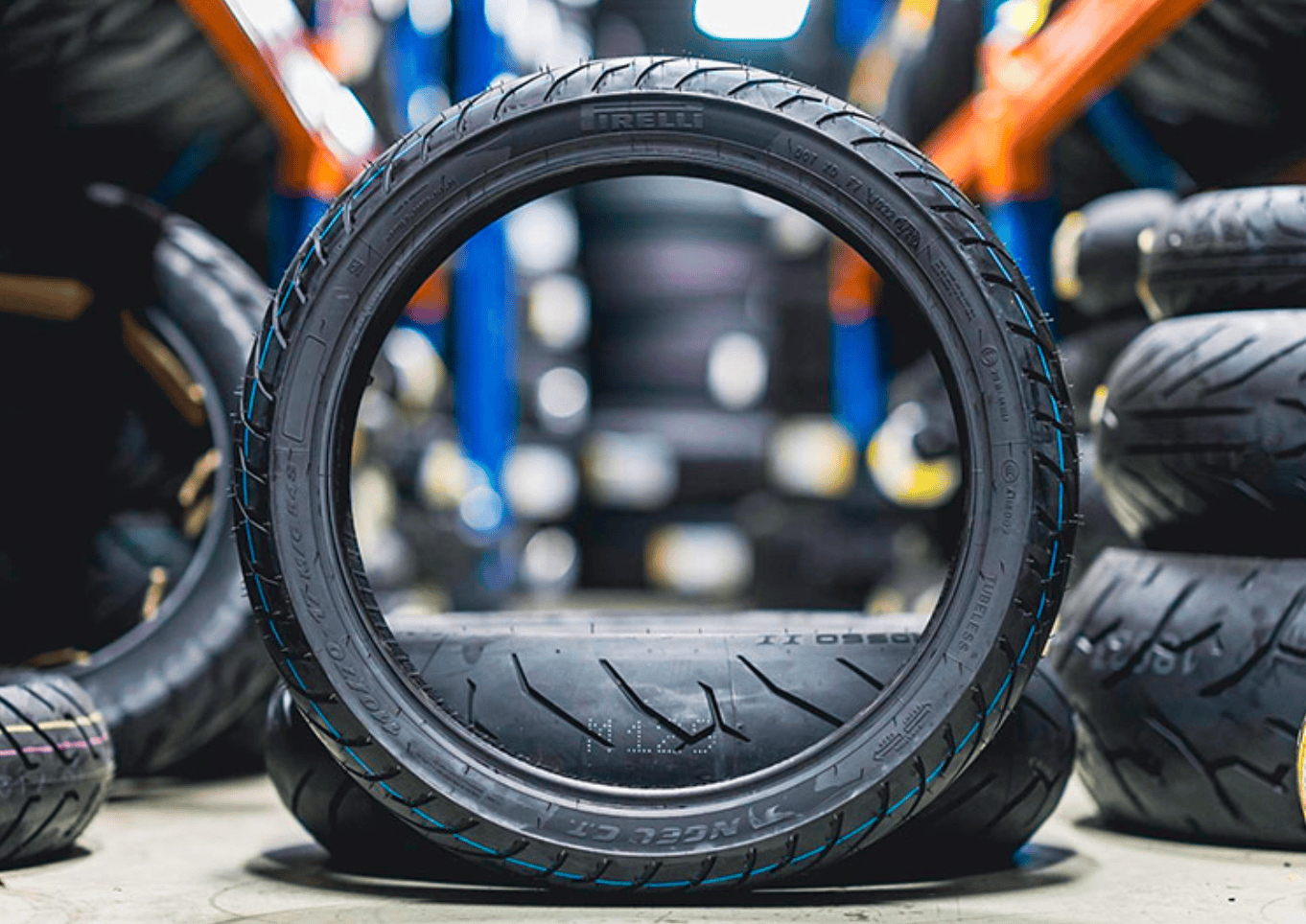
If asked what the most important part of a bike is, many would say the engine. However, tires are even more critical because the entire bike connects to the road through a contact patch only a few inches wide. If that tire is worn out or past its expiration, it doesn't matter how skilled a rider you are; the bike can slip at any moment, leading to an accident. Today at Motor Guide, we will teach you how to identify the motorcycle tyre replacement signs using the markings on the tire itself.
1. TWI Mark (Tread Wear Indicator)
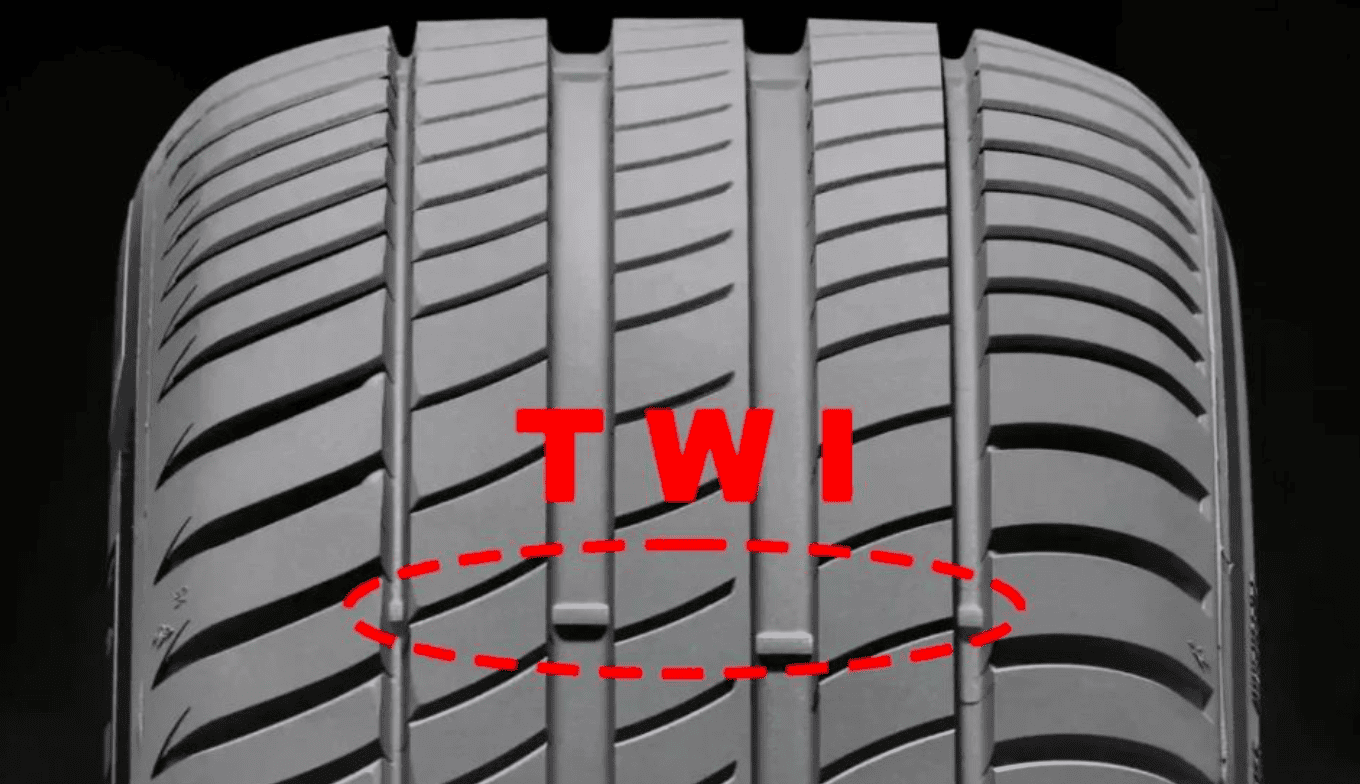
Tire manufacturers mark the replacement time inside the tire itself. If you look at the sidewall, you will see a small triangle mark or the letters "TWI." Directly aligned with this mark, inside the main grooves of the tire, there is a small raised rubber bar (bump). If the tire tread has worn down to the point where the road surface meets this raised bar, it means the tire's life is over. Checking this is the first step in understanding bike tyre wear Sri Lanka road conditions cause.
2. Date of Manufacture (DOT Code)
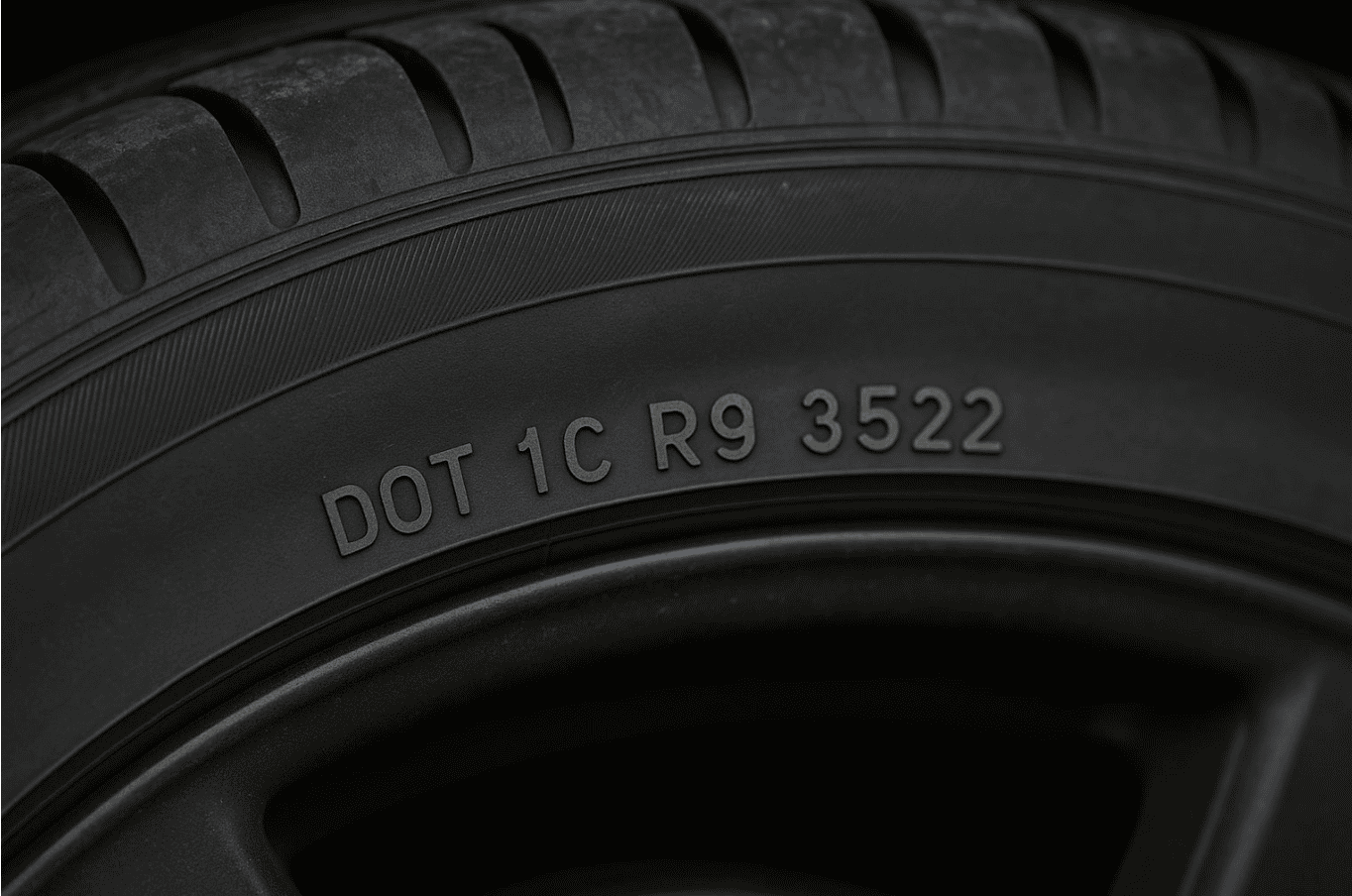
Sometimes, you have to replace a tire even if the tread is not worn out. This is determined by the DOT Code on the sidewall. The last four digits indicate the week and year of manufacture (e.g., 1224 means the 12th week of the year 2024). After about 5 years, the rubber loses its flexibility and starts "Hardening." When this happens, the tire loses its grip on the road. Even if your tire has plenty of tread, knowing when to change bike tyres includes replacing them if they are over 5 years old.
3. Cracking and Dry Rot
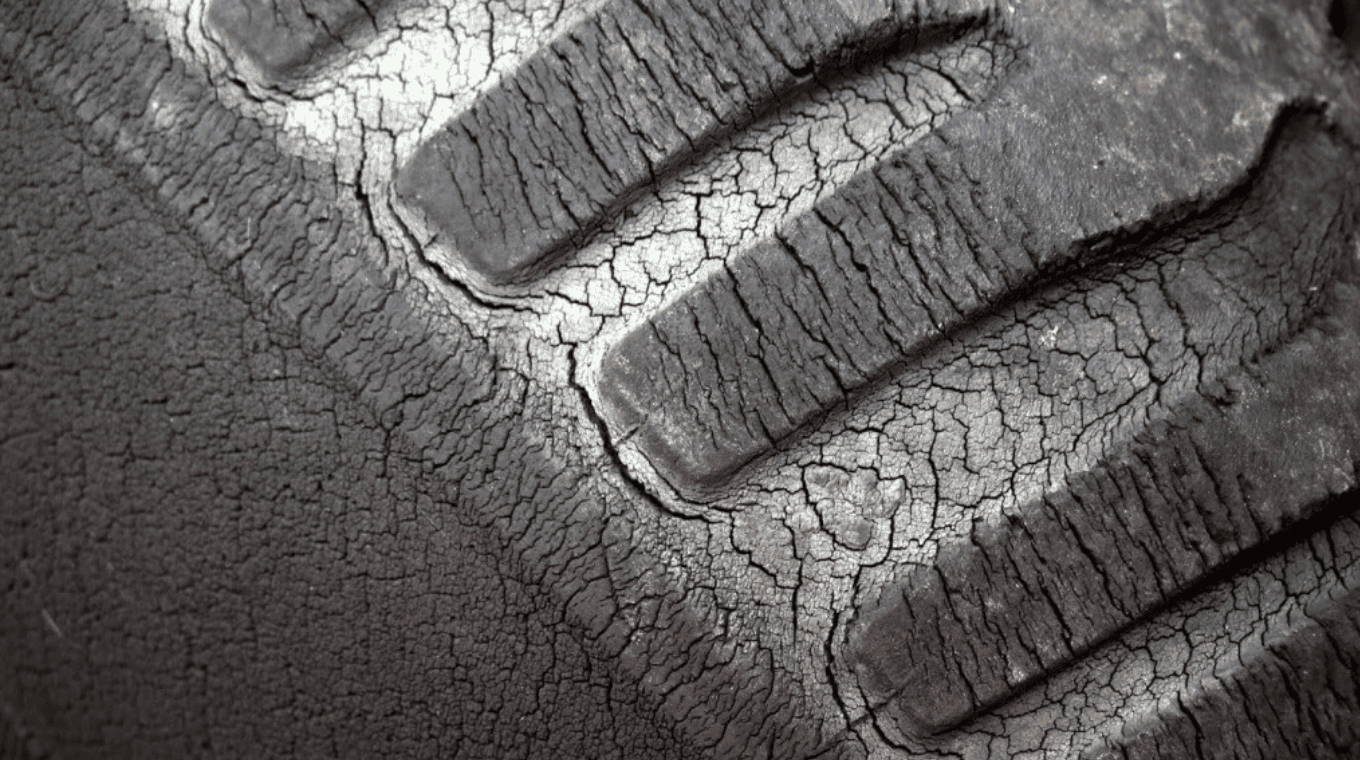
If you see small hairline cracks on the sidewalls or inside the grooves, it is extremely dangerous. This is called "Dry Rot." This happens when the rubber dries out due to the vehicle being parked in the sun frequently or simply due to old age. When this occurs, the tire is liable to "Burst" suddenly due to internal pressure. Do not use patched or tubed old tires in this condition; it is a gamble with your life and the lives of your loved ones.
4. Uneven Wear
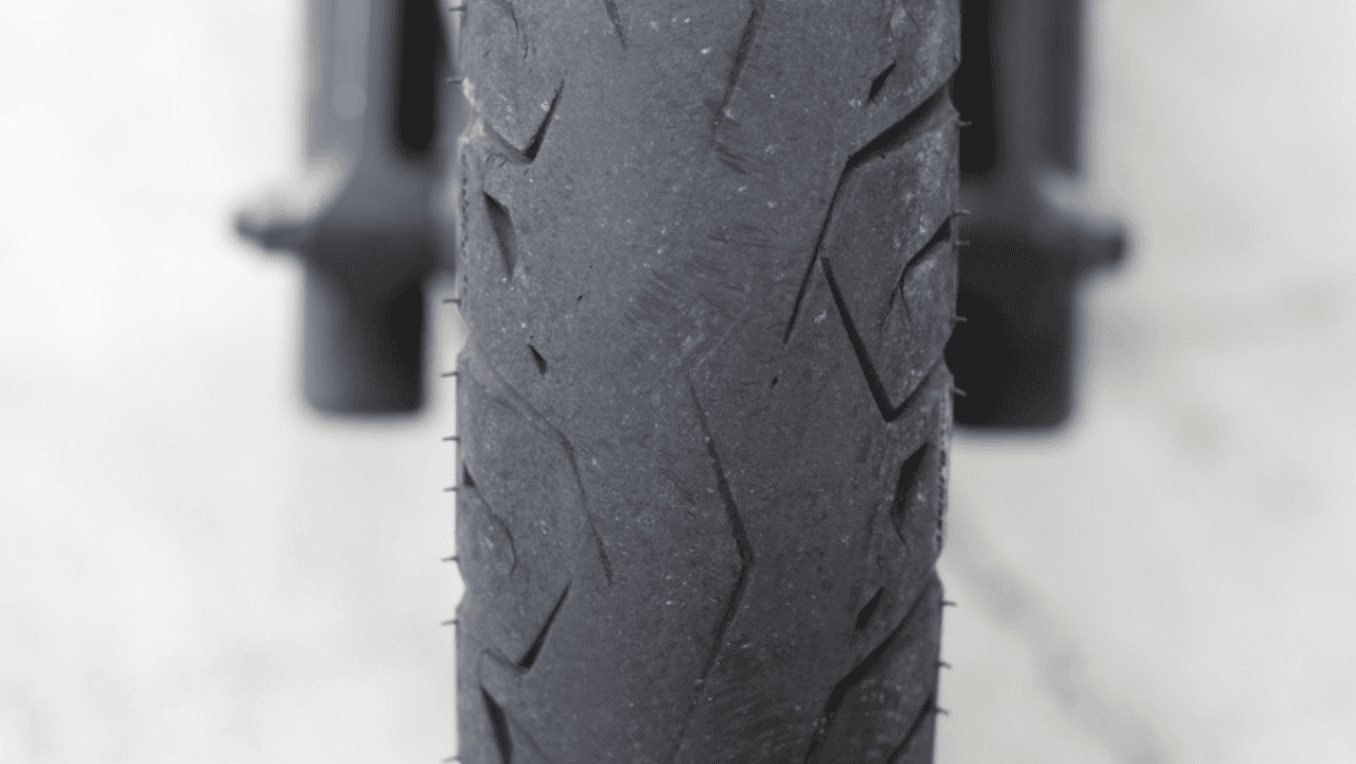
Sometimes, a tire wears out only on one side, or it becomes flat in spots instead of remaining round. This can be caused by a bent chassis, faulty shock absorbers, or incorrect tire pressure. When the tire shape changes, the bike will start to vibrate when taking corners. In such cases, you not only need to replace the tire but also diagnose and fix the mechanical issue causing the uneven wear.
5. Frequent Air Loss and Bulges
If there is a bubble-like "Bulge" anywhere on the tire, it means the internal nylon or wire mesh has broken. This can happen after hitting a large rock or pothole on the road. Also, if the tire loses air frequently without a visible nail or puncture, it means the rubber has become porous and lost its ability to hold air. In these situations, buying a new tire is the only solution.
Motor Guide Advice: When buying a tire, do not buy old "Expired" stock just because it is cheap. Always maintain the correct air pressure (PSI). When the pressure is low, the sidewalls wear out, heat up, and can burst quickly. Make it a habit to check the TWI mark at least once a week. Remember, a good tire is like your life insurance.

Written by
Nisaga Sandaru
A versatile and highly experienced professional, currently an Automobile undergraduate at the University of Jaffna, with strong technical expertise grounded in hands-on work as a technician with SriLankan Airlines Ground Support Equipment (GSE). Holding an Automobile NVQ Level 3 qualification, along with specialized certifications in Vehicle ECU Programming and Diagnosis, and extensive experience in arc welding and vehicle body painting, and well equipped to handle complex automotive, diagnostic, and fabrication-related tasks with a high level of competence.