How to Adjust Your Motorcycle Shock Absorber Based on Riding Style

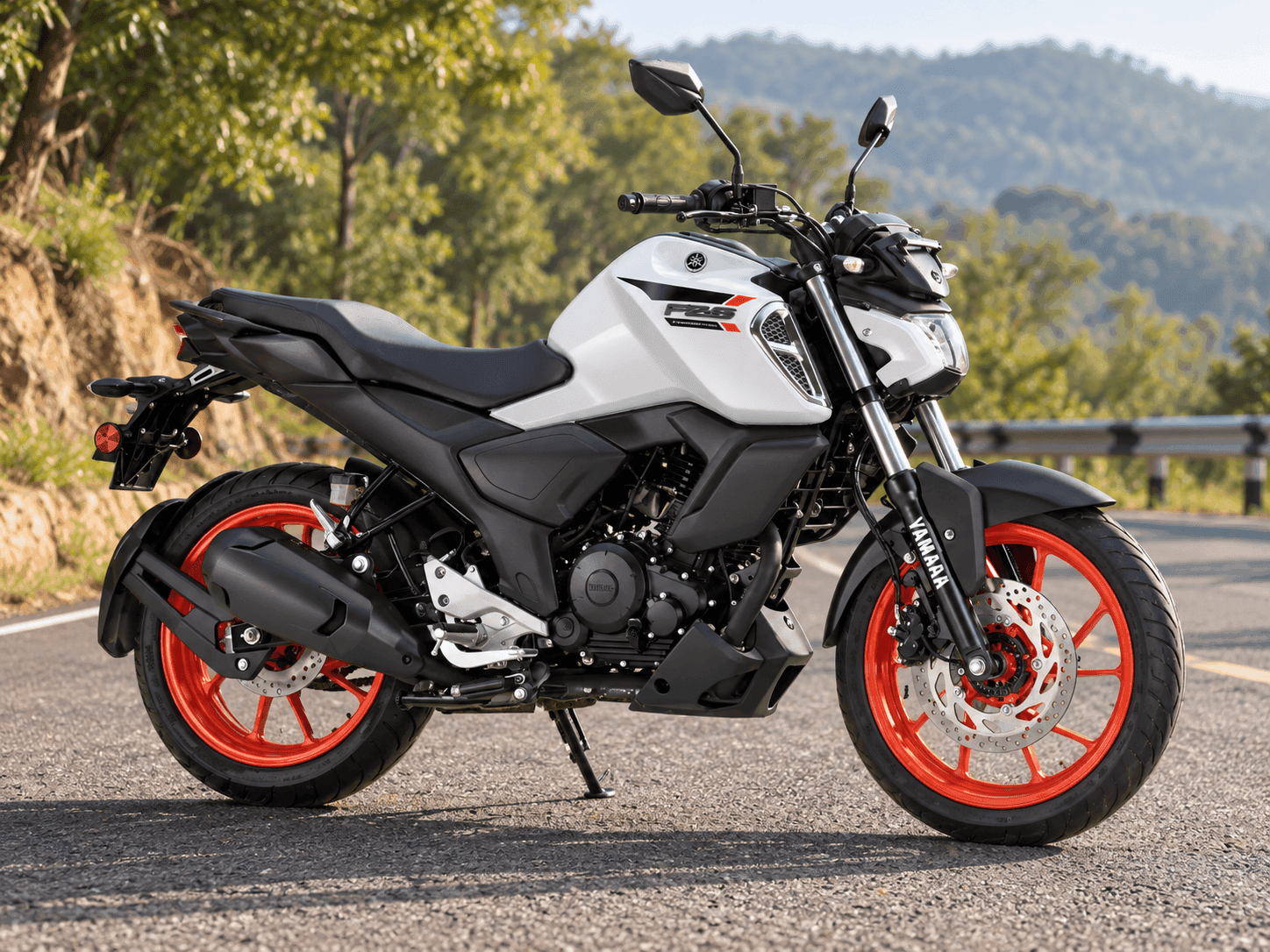
When riding a bike, the most critical component that determines both your comfort and control (Handling) is the Shock Absorber. Many people mistakenly believe that shock absorbers exist solely to save you from potholes on the road. However, performing a proper motorcycle shock absorber adjustment is an art form. If you don't set this up to match your specific "Riding Style," riding can become not only frustrating but also dangerous. Today, let me teach you how to tune your suspension to fit your style perfectly.
What is Pre-load Adjustment?
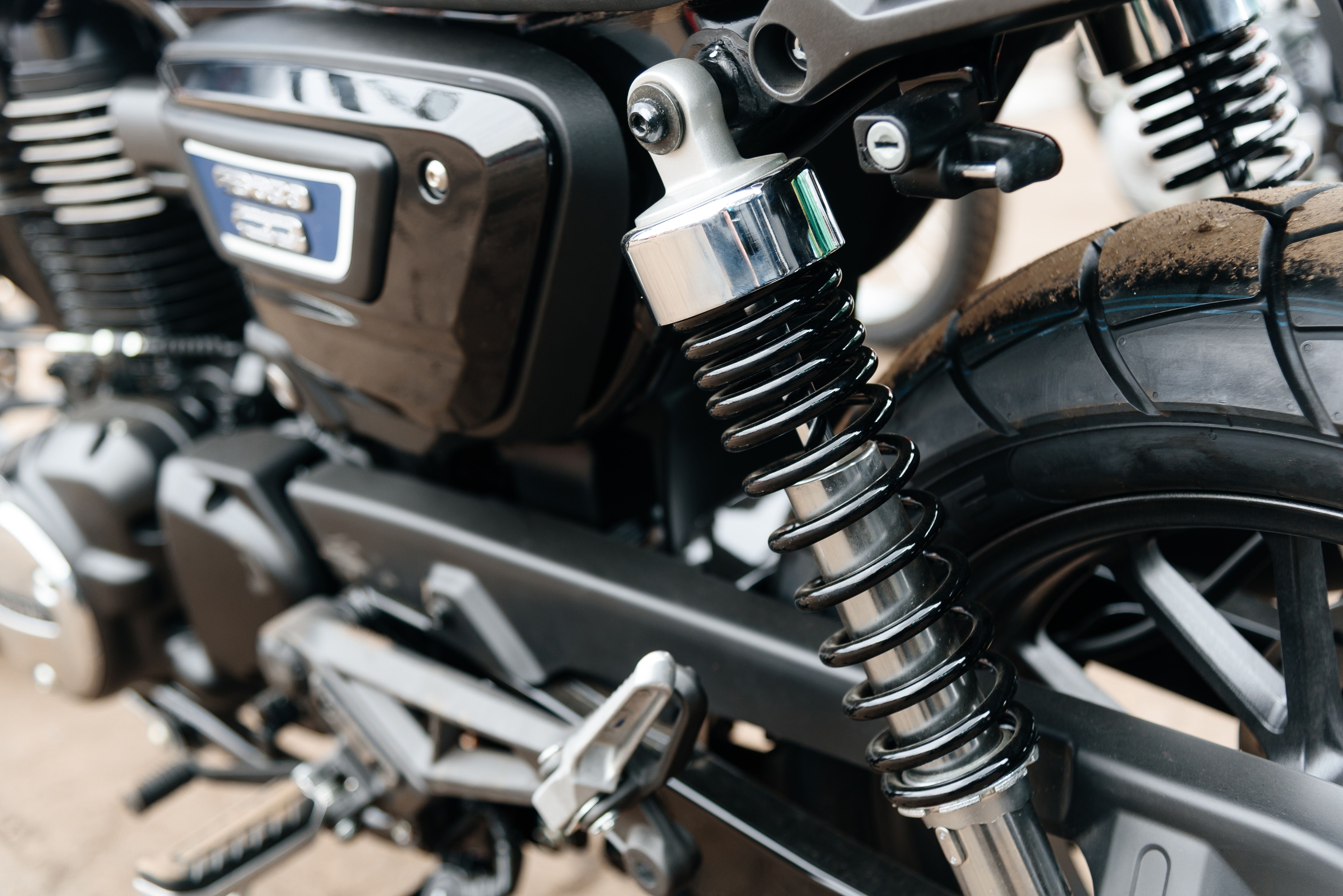
On most bikes, you will find a ring at the bottom of the shock absorber that can be rotated in several steps. This is called the "Pre-load Adjustment." This controls the stiffness of the spring. If you are a solo rider, this should be kept at a standard/medium level. However, if you are frequently carrying a passenger (Pillion riding) or heavy luggage, you must rotate this towards the "Harder" setting. If you don't, the moment you hit a pothole, the shock absorber will hit its limit (Bottom out), which is a major cause of back pain.
Setting Up for Comfort (Soft Setting)
If you use your bike for commuting to work or prefer riding very slowly and comfortably, you should adjust your shock absorbers to the "Soft" setting. This ensures that you feel the small stones and potholes on the road much less, providing a superior riding comfort suspension experience. However, remember that if the shock absorbers are too soft, the bike might feel a bit "Wobbly" or unstable when taking corners. Therefore, you must balance comfort with control.
Setting Up for Speed and Racing (Stiff Setting)
If you like to ride fast and enjoy leaning into corners, you need a slightly stiffer shock absorber setting. When the shock absorbers are stiff, the bike's stability increases. This is why the bike feels "planted" firmly on the road at high speeds. However, with this adjustment, you will feel the potholes in the road more sharply in your back. Racing bikes always keep their shock absorbers at a stiff level to achieve that superior handling.
Off-road and Bad Roads
Since we are often dealing with a bike suspension setup Sri Lanka roads require (due to frequent potholes), if you ride on rough terrain, the shock absorber needs more "Travel" (the range it moves up and down). Here, if your bike has a "Rebound" adjustment (found in high-end bikes), it controls the speed at which the shock returns up after hitting a bump. When riding in potholes, don't let the shock spring back up too fast, as it tries to throw the rider off the seat. It is wiser to keep it on a "Slow rebound" setting.
Maintenance and Tips
No matter how much you adjust, it is useless if there is an oil leak in the shock absorber. Check the inner tube (the shiny rod) of the shock absorber every month to see if there is oil on it. If oil is leaking, it means the "Oil seal" is broken. When this happens, the internal pressure is lost, and the shock absorber stops working correctly. Also, always wipe the dust off the shock absorber rod, as that dust is what cuts the oil seal.
Motor Guide Advice: Never adjust your bike's shock absorbers just because someone else did. First, set it to one level, ride for a few kilometers, then change it and ride again. You will then realize which setting best fits your body and the roads you ride on. Also, always use the special "C-Spanner" tool designed for adjusting shock absorbers; otherwise, you might damage the adjustment notches.

Written by
Nisaga Sandaru
A versatile and highly experienced professional, currently an Automobile undergraduate at the University of Jaffna, with strong technical expertise grounded in hands-on work as a technician with SriLankan Airlines Ground Support Equipment (GSE). Holding an Automobile NVQ Level 3 qualification, along with specialized certifications in Vehicle ECU Programming and Diagnosis, and extensive experience in arc welding and vehicle body painting, and well equipped to handle complex automotive, diagnostic, and fabrication-related tasks with a high level of competence.