Big Wheel vs. Supermotard: Understanding the Difference

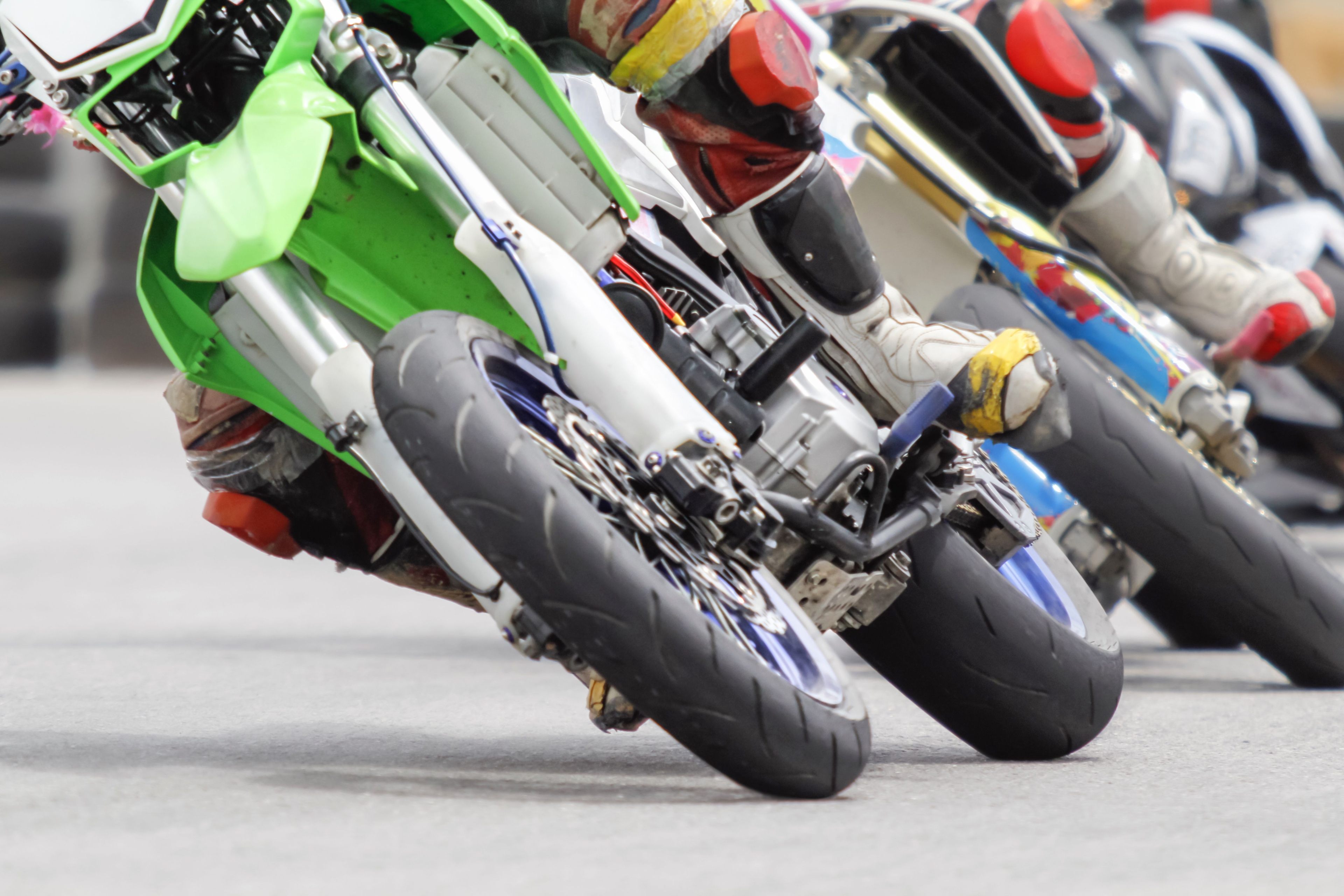
Casey Stoner, often called “The Crazy Australian”, is one of MotoGP’s most naturally gifted and fearless riders. Known for his raw speed, relentless determination, and ability to dominate bikes that others struggled to control, Stoner left a mark on the sport far beyond his years on the track. Though his career was short-lived, his two world championships and unique riding style have made him a legend in motorcycle racing history.
Early Life and Career Beginnings
1.1 Australian Roots
Born on October 16, 1985, in Southport, Queensland, Casey Stoner was destined to race. Encouraged by his parents, he began competing in dirt bike events at the age of four, quickly showing exceptional skill and confidence. His family recognized his rare potential early on, and at just 14, they moved to the United Kingdom to give him a better chance at a professional road racing career. This decision would pave the way for his incredible rise in world motorsport.
1.2 Entry into Grand Prix Racing
Stoner made his debut in the 125cc World Championship in 2001 before moving up to the 250cc class. His natural speed and aggressive style stood out immediately. Although victory initially eluded him, it was clear that he had the raw pace and determination needed to reach the top. His true breakthrough came with his move to MotoGP, where his fearless approach and precision control made him an instant threat to the sport’s elite riders.
Rise to Stardom in MotoGP
2.1 Ducati and the 2007 World Championship
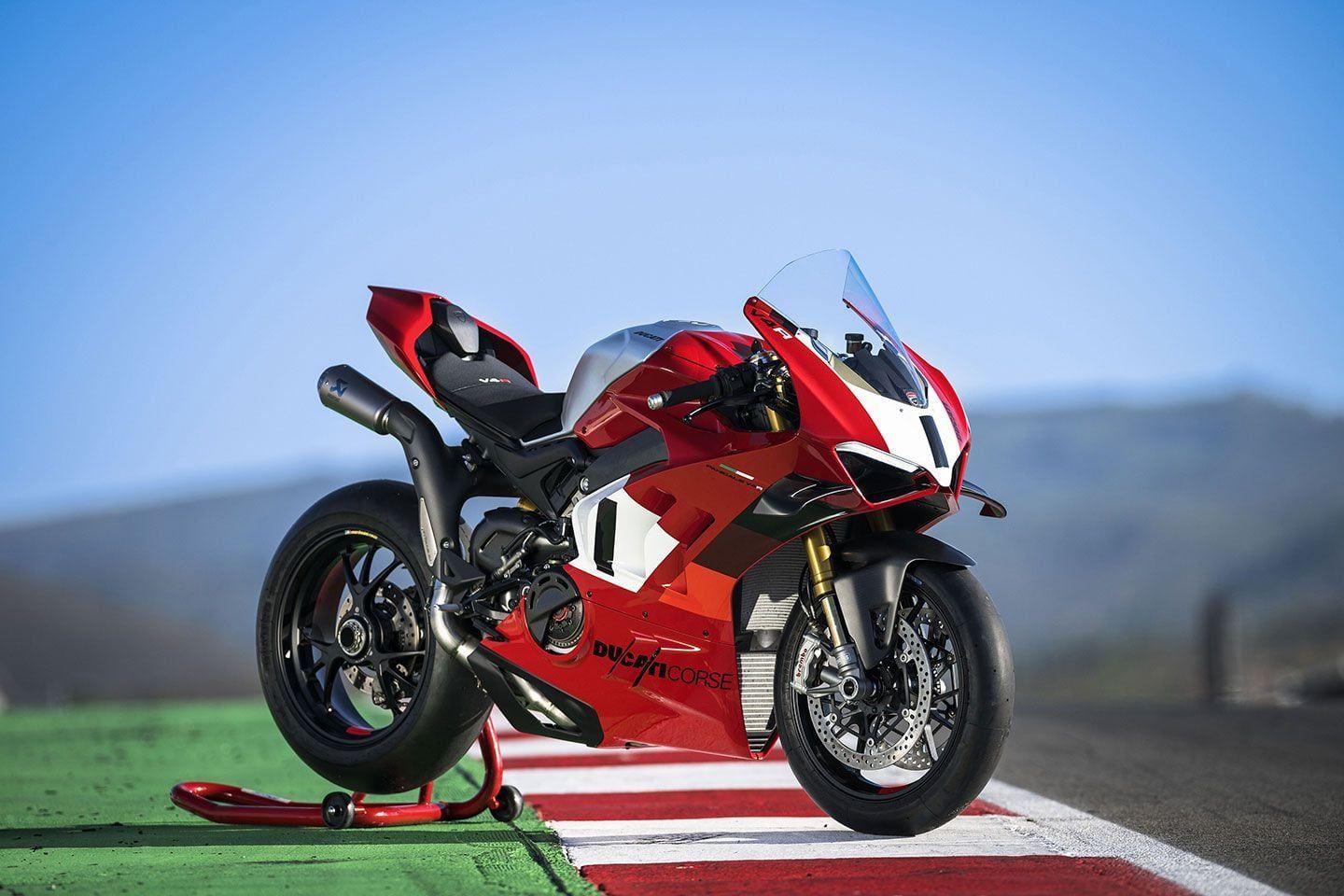
In 2007, Stoner joined the Ducati factory team—a decision that would define his career. The Ducati Desmosedici GP7 was known for its brutal power and unpredictable handling, a bike many considered too wild to master. But Stoner proved everyone wrong. With his remarkable throttle control and fearless cornering, he won 10 races that season and clinched the 2007 MotoGP World Championship at just 22 years old. His ability to harness the raw power of the Ducati turned him into a hero for fans and a nightmare for his rivals.
2.2 Unmatched Speed and Control
What made Stoner’s success even more impressive was his ability to excel on a bike others found nearly impossible to ride. The Ducati was powerful but notoriously unstable. Stoner’s natural feel for traction and unique cornering technique allowed him to push the machine to its absolute limit without losing control. His fearless style, combined with pinpoint precision, made him one of the most technically gifted riders the sport had ever seen.
Transition to Honda and the 2011 World Championship
3.1 The Move to Repsol Honda
After four seasons with Ducati, Stoner joined the Repsol Honda Team in 2011. The move paid off immediately. Riding the powerful yet refined RC213V, Stoner dominated the season, winning 10 races and securing his second MotoGP World Championship. His consistency and control were unmatched, as he outperformed legends like Jorge Lorenzo and Dani Pedrosa to claim Honda’s first premier-class title since 2006.
3.2 Stoner’s Riding Style
Stoner’s riding style was defined by his ability to push past the limits of traction and remain in control. He mastered the art of managing tire grip and throttle response, allowing him to ride smoothly even when conditions were treacherous. His cornering speed, braking control, and fearless overtakes made him a rider capable of winning anywhere—rain or shine, on any circuit, and on any bike.
Personality and Racing Approach
4.1 “The Crazy Australian” Persona
Nicknamed “The Crazy Australian” for his aggressive riding and relentless pursuit of victory, Stoner was a racer who preferred to let his results do the talking. He was intensely focused, unshaken by fame, and rarely influenced by the showmanship that defined some of his peers. His quiet confidence and dedication made him both respected and admired across the paddock.
4.2 Mental Fortitude and Criticism of MotoGP
Stoner was never afraid to speak his mind. He often criticized the growing politics and commercialization of MotoGP, voicing concerns about safety and the direction of the sport. His outspoken honesty sometimes made headlines, but it also earned him the respect of fans who valued his authenticity and commitment to pure racing.
4.3 Battling Illness
Throughout his career, Stoner faced significant health challenges, including chronic fatigue syndrome and lactose intolerance. Despite these obstacles, he refused to use them as excuses. Even on difficult days, his grit and mental strength allowed him to perform at an elite level, often dominating races while silently battling through pain and exhaustion.
Retirement and Legacy
5.1 Shocking Retirement in 2012
In 2012, at only 27 years old, Casey Stoner stunned the MotoGP world by announcing his retirement. Many believed he still had multiple championships ahead of him, but Stoner chose family and personal peace over fame. He cited his disillusionment with the sport’s politics and commercialization as reasons for stepping away while still at his peak. His decision shocked fans and left a void in MotoGP.
5.2 Post-Retirement Roles
After retiring, Stoner remained involved in MotoGP as a test rider for both Ducati and Honda. He also made occasional appearances in endurance racing but largely stayed out of the public eye, choosing a quieter life centered around his family. Even in retirement, his influence as a technical advisor and mentor has been felt across the racing world.
5.3 Legacy
Casey Stoner’s impact on MotoGP is undeniable. He is remembered as a rider who could do the impossible—turning difficult machines into winning bikes. His two world titles, combined with his fearless style and integrity, earned him a permanent place among the sport’s greatest. Stoner’s success on Ducati remains one of the most remarkable achievements in modern MotoGP history, a feat that few have been able to replicate.
Conclusion
Casey Stoner’s career was short, but his brilliance was blinding. A rider who combined instinct, precision, and courage, he redefined what it meant to race on the edge. His story is a reminder that greatness isn’t about how long you race, but how profoundly you change the sport while you do. “The Crazy Australian” may have stepped away early, but his legacy will forever echo through the sound of roaring engines and the hearts of racing fans worldwide.

Written by
Nipuna Marasinghe