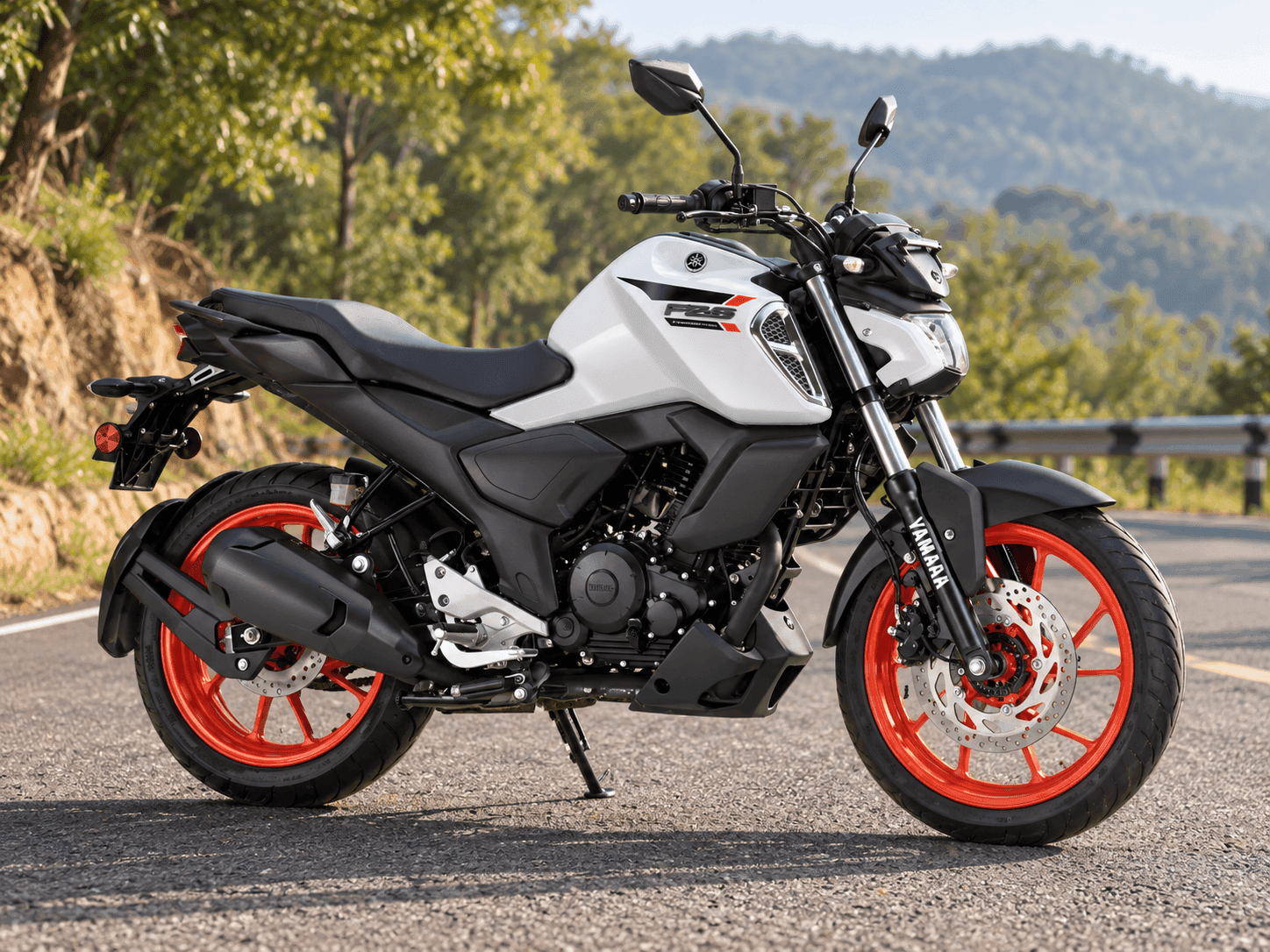
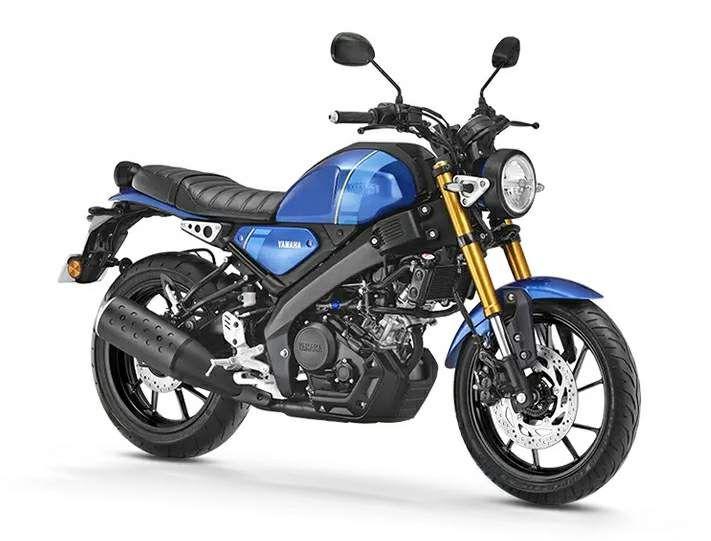
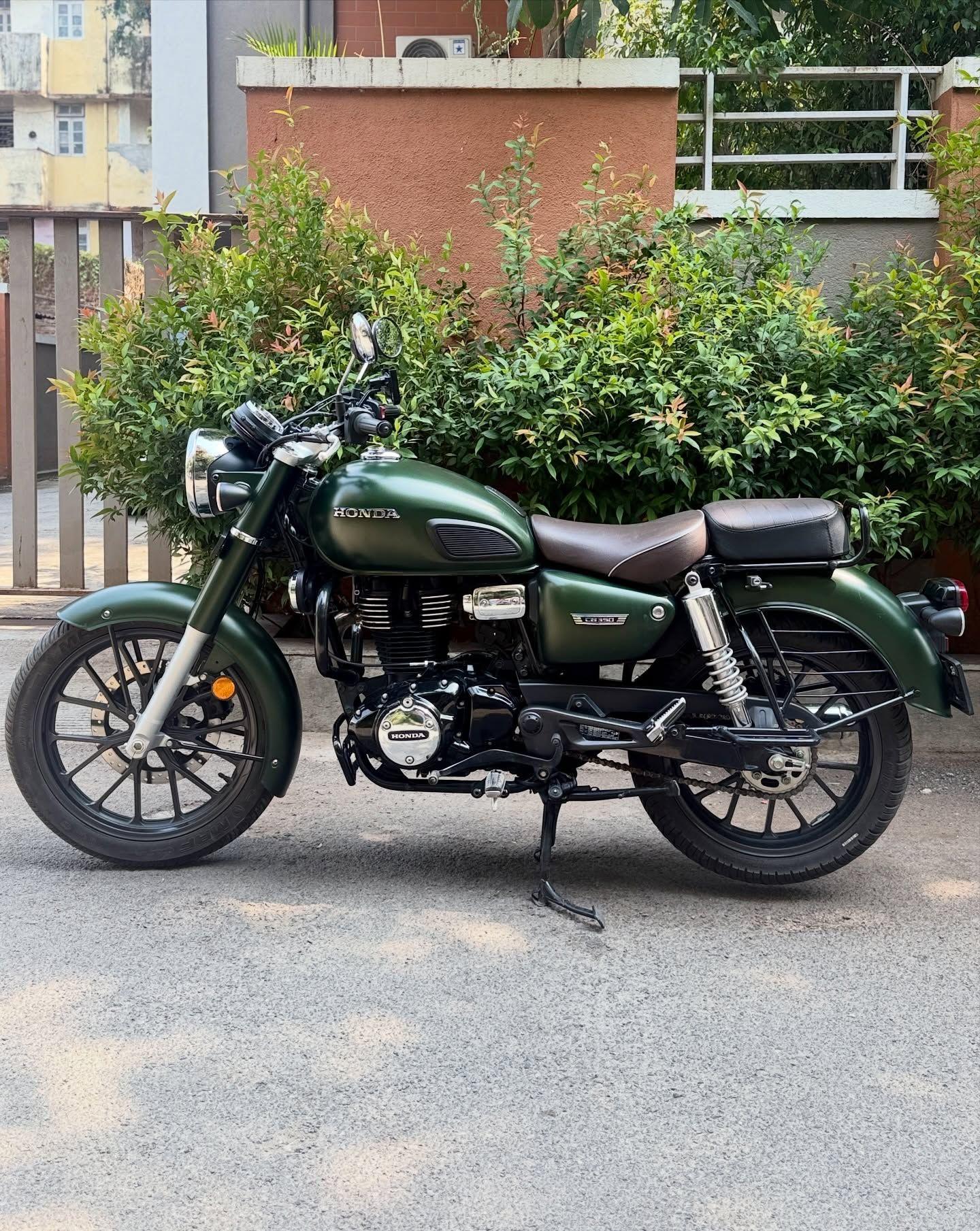
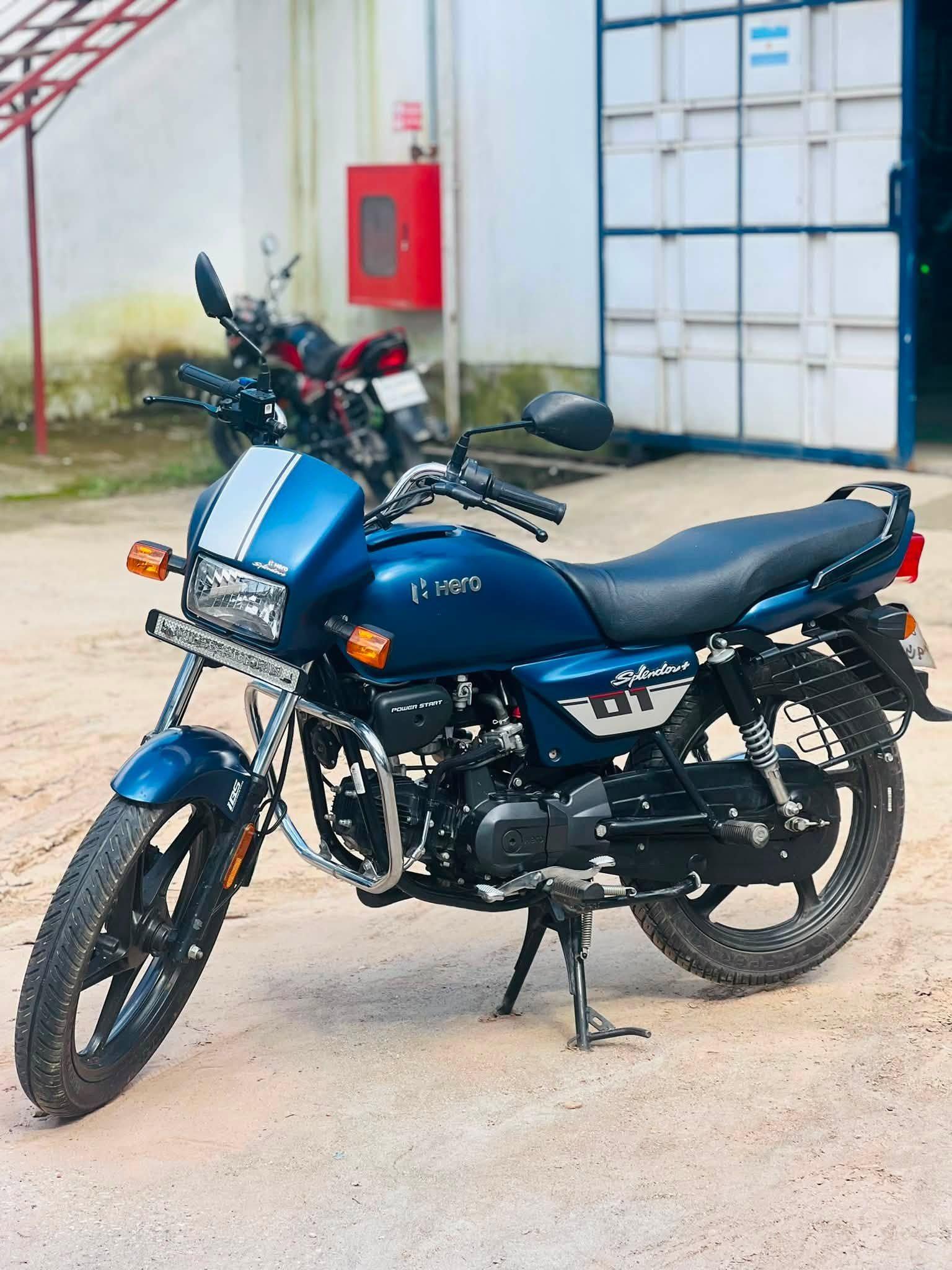
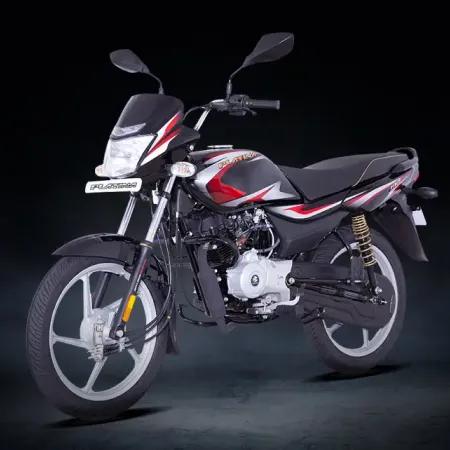
The Impact of Changing a Bike Silencer on Engine Life and Fuel Efficiency

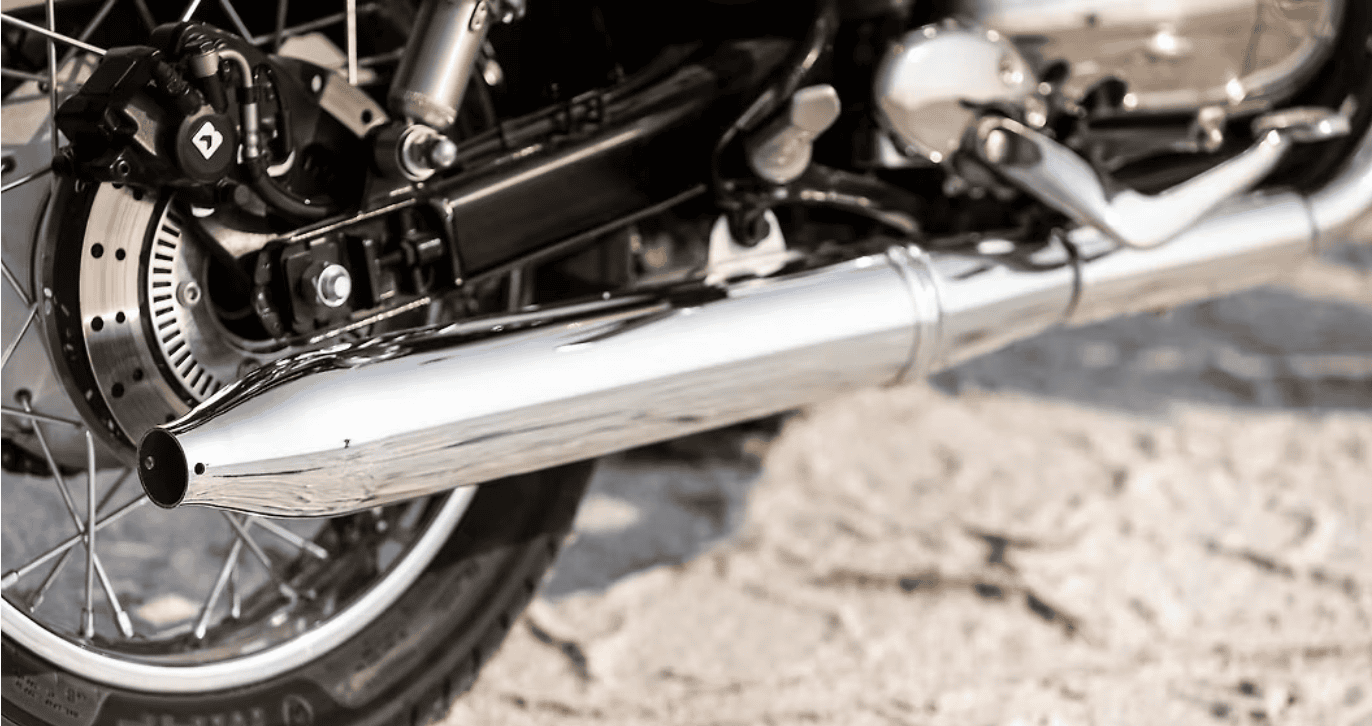
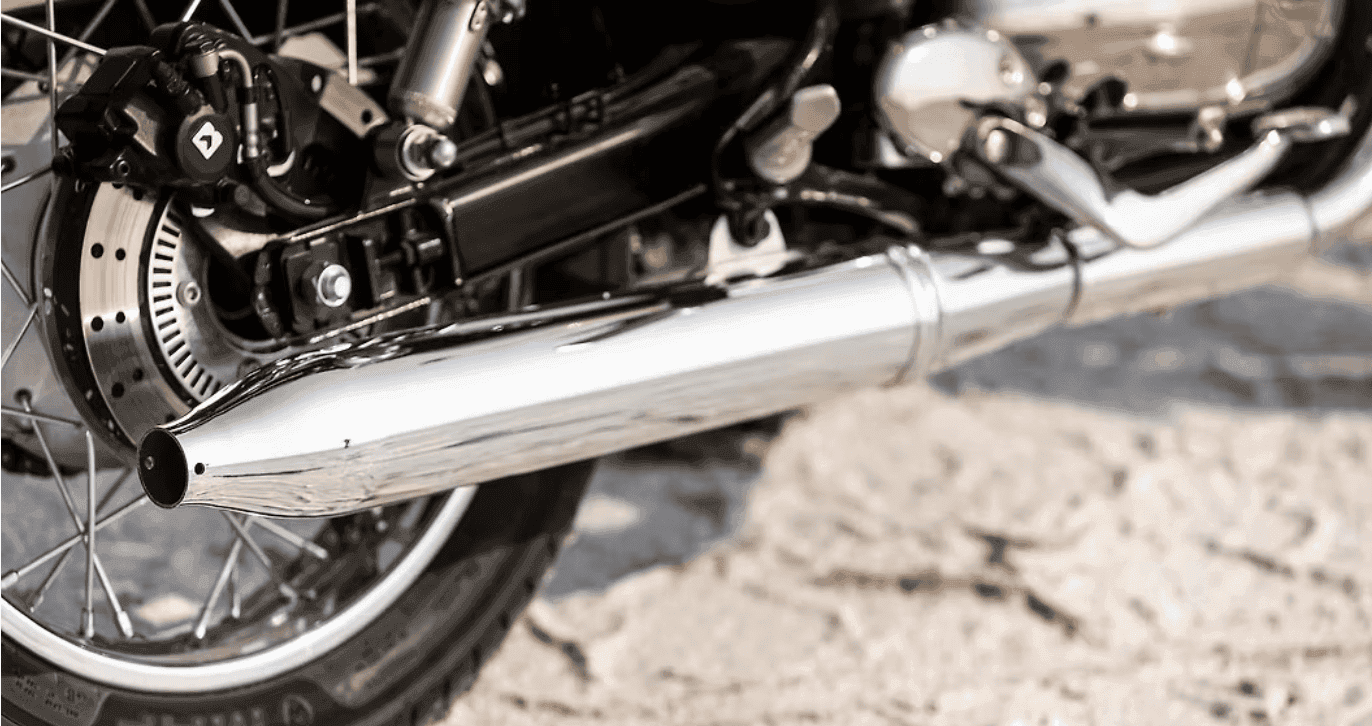
One of the first modifications many bike owners make is changing their silencer (exhaust). Most of the time, this is done simply to increase the sound or change the look of the bike. However, a silencer is not just a metal pipe; it is a complex engineering component that directly affects engine performance. Today, Motor Guide explains the real exhaust silencer modification effects on both your engine and your wallet when you change it without proper knowledge.
1. Changes in the Back Pressure System
Every bike engine is designed to withstand and utilize a specific amount of "Back Pressure" generated by the stock silencer. This pressure is crucial for keeping the air-fuel mixture inside the combustion chamber for the correct amount of time. When you install an "Aftermarket" or loud "Beat" silencer, this Back Pressure is often completely eliminated.
Consequently, the speed at which burnt gases exit the engine increases uncontrollably, and the compression required by the engine drops. This results in a loss of low-end power and a significant reduction in overall engine efficiency.
2. Engine Damage from Modified Exhausts
When the silencer is changed improperly, the engine is highly likely to "rattle" or overheat. Without the proper control provided by the stock exhaust, the heat flowing to the exhaust valves cannot be regulated. Over time, this causes valves to warp or burn out. Furthermore, the unbalanced pressure on the piston causes internal components to wear out faster. Therefore, those who are deceived by the loud sound often end up facing expensive repairs due to engine damage modified exhaust systems cause.
3. Reduction in Fuel Efficiency
The immediate result of a silencer change is felt in your wallet. When a substandard silencer is installed, the engine's required Air-Fuel mixture changes, causing the engine to run either too "Lean" or too "Rich."
often, because the bike loses power due to the loss of back pressure, the rider tends to rev the engine harder to compensate. This causes bike exhaust fuel consumption to increase drastically. If your bike used to do 50km per liter, there is a high chance it could drop to 35-40km per liter after the modification.
4. Impact on Sensors and the EFI System
Most modern bikes come equipped with an "Oxygen Sensor" fitted to the silencer. This sensor sends data to the bike's computer (ECU) regarding how much fuel to inject. When you install a silencer that doesn't match the specs, the sensor sends incorrect data to the ECU. This leads to the "Check Engine" light appearing on the dashboard, a loss of engine refinement (smoothness), and frequent issues like spark plug fouling.
5. Noise Pollution and Legal Issues
Finally, increasing the noise of the silencer is a nuisance to the environment and others. Under Sri Lankan law, modifying a silencer to emit excessive noise is a punishable offense. If the police seize your vehicle or fine you, it results in both mental stress and financial loss. Additionally, you will likely face the displeasure of your neighbors and the public due to the excessive noise.
Motor Guide Advice: When manufacturing a bike, engineers install the silencer that is best suited for that specific engine. If you truly want a performance change, simply buying a cheap "beat" silencer won't work; you need a "Full System Exhaust" combined with an "ECU Remap." However, this is very expensive. Any modification done without this precision only reduces your vehicle's value and lifespan. Therefore, keeping the bike in its original condition is always the wisest choice.

Written by
Nisaga Sandaru
A versatile and highly experienced professional, currently an Automobile undergraduate at the University of Jaffna, with strong technical expertise grounded in hands-on work as a technician with SriLankan Airlines Ground Support Equipment (GSE). Holding an Automobile NVQ Level 3 qualification, along with specialized certifications in Vehicle ECU Programming and Diagnosis, and extensive experience in arc welding and vehicle body painting, and well equipped to handle complex automotive, diagnostic, and fabrication-related tasks with a high level of competence.