Things to Consider When Modifying Car Tyres

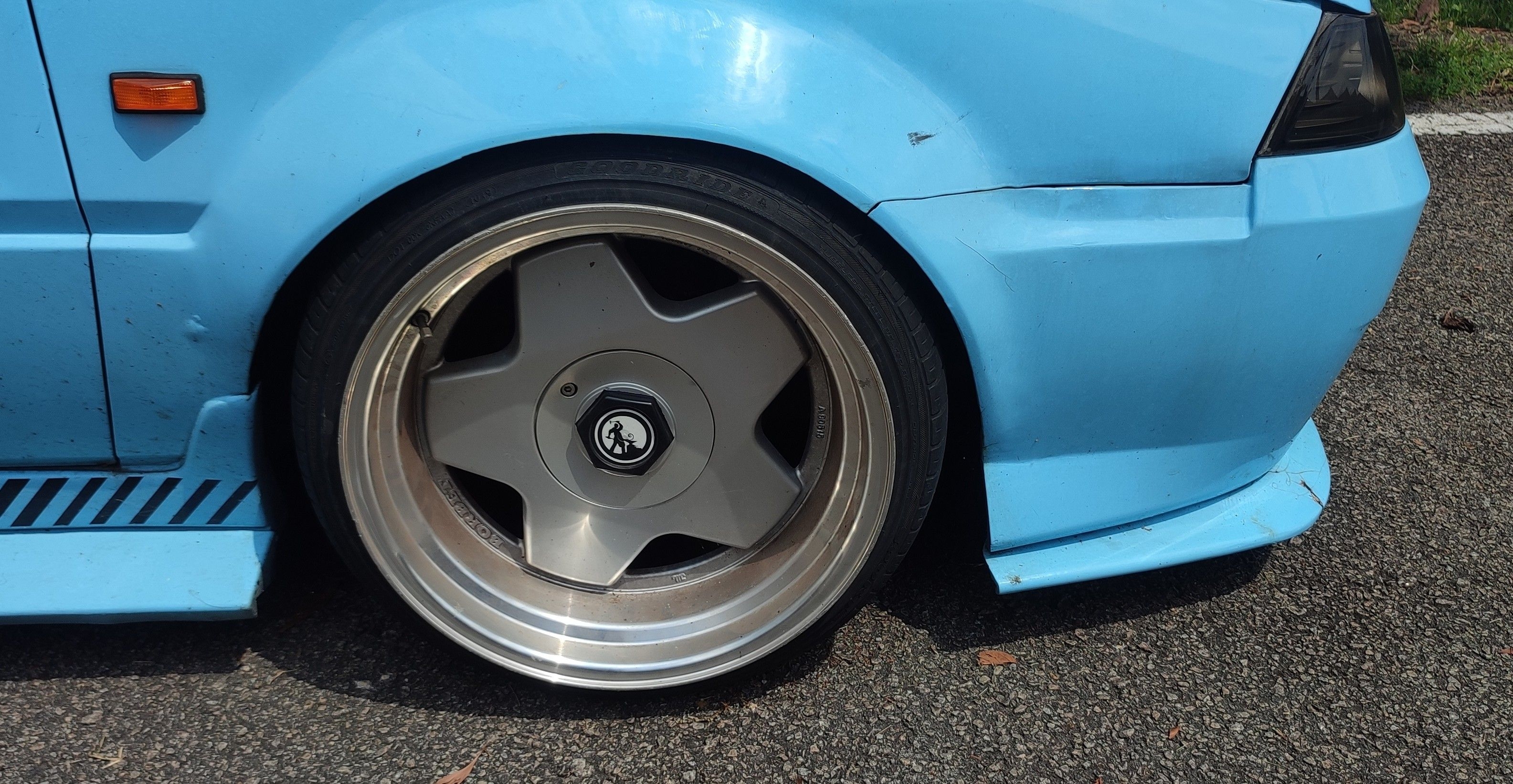
Buying a vehicle is a dream for all of us. After realizing the dream of owning a vehicle, many people modify it to their liking. In short, they modify the appearance, performance, and other aspects of the vehicle. So, after buying a new car, many people first upgrade the wheels and tires. Today, through MotorGuide, we are telling you what you need to consider before modifying your vehicle's tires.
Types of Tyre Upsizing
There are two main types of tire upsizing.
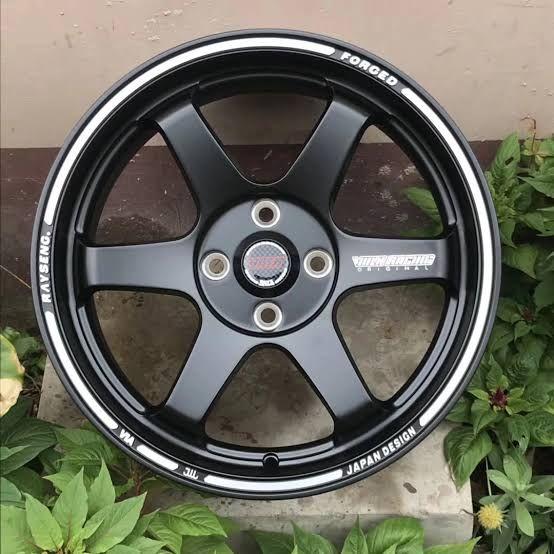
Plus sizing: This involves increasing the wheel size while maintaining the same aspect ratio (tire height relative to tire width). As a result, the vehicle gains a shorter sidewall, improved handling, and a sporty look.
Section width upsizing: This involves increasing the tire width without changing the vehicle's wheel size. As a result, you can get a wider tire with a taller sidewall, a better ride, and increased stability.
Consider Before Upsizing
Vehicle modification is an art. It's not something you can do arbitrarily. Especially when modifying tires, we need to have a proper understanding of it. Specifically, before upsizing tires, you need to understand how it works.
Often, stores try to sell the tire and wheel that give them maximum profit. But if you get misled by profit and buy a tire that doesn't fit the vehicle correctly or is the wrong size, it will make driving and handling the car difficult, and it could also damage the car.
Therefore, always use the standard size applicable to your vehicle.
However, if you don't have proper knowledge about it, don't forget to seek advice from a professional and confirm if the relevant tire is suitable for your vehicle.
Check the Correct Tire Size and Diameter
No matter how much you want to modify the tire, the first thing to remember is that you should choose a tire that somewhat matches the diameter of the original tire fitted to your car, without making drastic changes to the tire itself.
Now let's see how to find the tire's diameter.
Read the markings on the side of the tire. For example, you might see 175/70/R13. Here, 175 refers to the size of the tire's contact patch in millimeters. 70 is the sidewall height as a percentage of the contact patch. The R here means radial tire. And 13 refers to the diameter of the rim in inches.
Let's Calculate the Total Tire Diameter
17.5 cm + 17.5cm 70% + 13 x 2.54 cm (1”= 2.54 cm)
Consider Before Modifying
For a safe upgrade, the tire size should not increase by more than three percent of the original total tire diameter of the car. The maximum tire upsizing that can be done without changing the car's dynamics is about three percent of the original total tire diameter. Any upsizing exceeding this amount will result in a significant drop in fuel efficiency and difficulty in driving and handling the vehicle. Therefore, avoid using unnecessarily oversized tires at all costs.
Check After Installing Tires
After installing the new, larger tires on the car, sit near the wheel and turn the steering wheel from lock to lock. Also, turn the wheel to both sides. Carefully check that when the wheel is at full lock, it does not touch the inside of the wheel well or any other part of the body.
Also, check if there is enough space between the tire and the wheel to absorb bumps or potholes on the road. Drive on an uneven or broken road to check if large wheels and tires negatively affect the car's ride quality.
So these are the things you need to consider before modifying your car's tires. Now you understand that upgrading tires, while it may look easy from the outside, is not as simple as you might think.
So if you're planning to give your vehicle a modified look by changing the tires, don't forget the things we've discussed today on MotorGuide.

Written by
Nipuna Marasinghe