Fire Risks Associated with Modifying Vehicle Electrical Wiring


Did you know? A vehicle's wiring is like the human nervous system. A small mistake here can cause the entire vehicle to turn into ash in seconds. Nowadays, most vehicle fires are not caused by manufacturing defects, but due to improper wiring modifications we make. Please remember the following advice well.
Haphazard Installation of Accessories
We all love installing new LED lights, big Subwoofers, or a new Android player in our vehicles. However, every device needs to be powered by a wire suitable for it. If you connect a device that draws a higher current (Amperage) than the original wire can handle, that wire will heat up and start melting from the inside. That excessive heat is what triggers a fire in the vehicle.
Improper Wire Cutting and Splicing
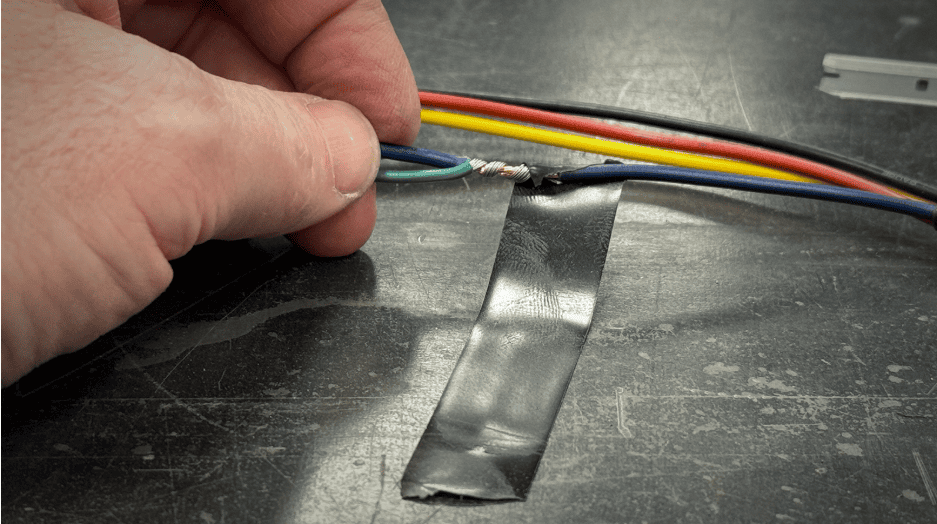
Some mechanics cut or strip the vehicle's original wires to add new wires when installing accessories. This is very dangerous. "Loose Connections" are highly likely to occur in such places. When a connection is loose, small sparks occur (Sparking). Also, the ordinary black insulation tape used to cover that wire peels off over time due to heat. Then, as soon as the exposed wire touches the vehicle body (Ground), the entire wiring system catches fire.
Neglecting the Fuse System
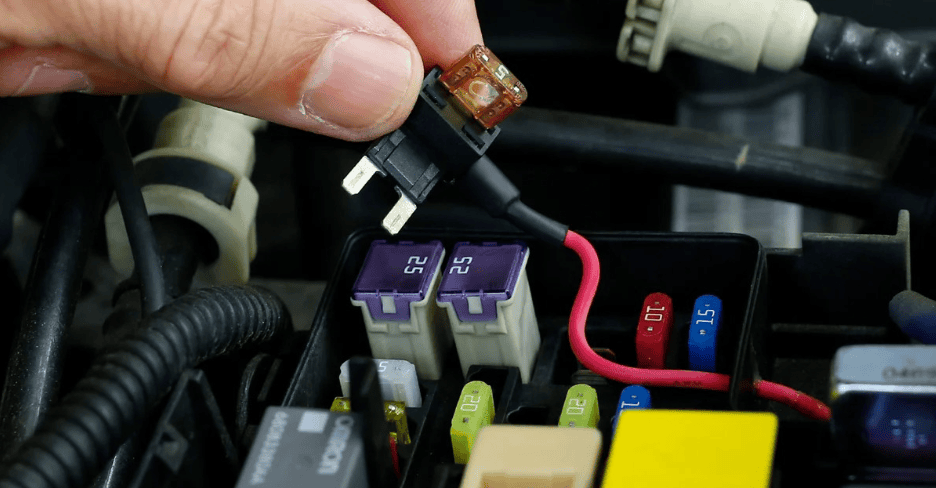
A Fuse is the guardian protecting the vehicle's wiring. If a wire shorts, the relevant fuse must blow first to disconnect the power. However, some people, instead of replacing a blown fuse with one of the correct size, put a piece of copper wire and bridge it ("Direct"). This is a fatal mistake. Then, even if a short circuit occurs, the electricity does not disconnect, the wire continues to heat up, turns red, and the plastic covers start burning.
Wire Quality and Gauge
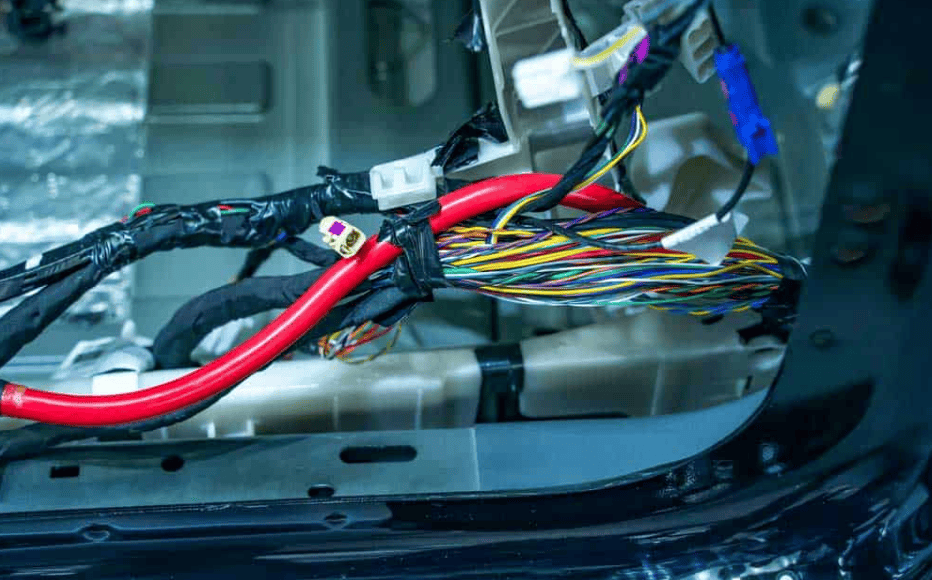
When adding a new wire, you must pay attention to its thickness (Gauge). For example, to carry electricity to the vehicle's headlights, a thick wire is needed. If a thin wire is used instead, it will melt as it cannot withstand that voltage and current. Also, the wire used must be "Heat resistant." Ordinary wires cannot withstand the heat near the engine.
Safety Advice: If you are installing any new electrical equipment in the vehicle, make sure to do it through a Relay and a separate Fuse. Never allow the original wiring wires to be cut; use "Socket to Socket" compatible devices instead. Do not turn a vehicle worth millions into ash just to save a thousand or two rupees.
Do you feel wires heating up or smell something burning due to a newly installed device? If there is such a sign, it should be checked immediately.

Written by
Nisaga Sandaru
A versatile and highly experienced professional, currently an Automobile undergraduate at the University of Jaffna, with strong technical expertise grounded in hands-on work as a technician with SriLankan Airlines Ground Support Equipment (GSE). Holding an Automobile NVQ Level 3 qualification, along with specialized certifications in Vehicle ECU Programming and Diagnosis, and extensive experience in arc welding and vehicle body painting, and well equipped to handle complex automotive, diagnostic, and fabrication-related tasks with a high level of competence.