Don’t Service Your Vehicle Without Knowing These Facts First

If you hand over your vehicle for a service without knowing these details, you risk wasting money and potentially damaging your vehicle. That is why we at Motor Guide want to discuss this in depth. Maintaining your vehicle means more than just washing it and changing the oil. As a smart consumer, knowing these facts will help you save money and extend the lifespan of your vehicle.
Here is what you must know before a service.
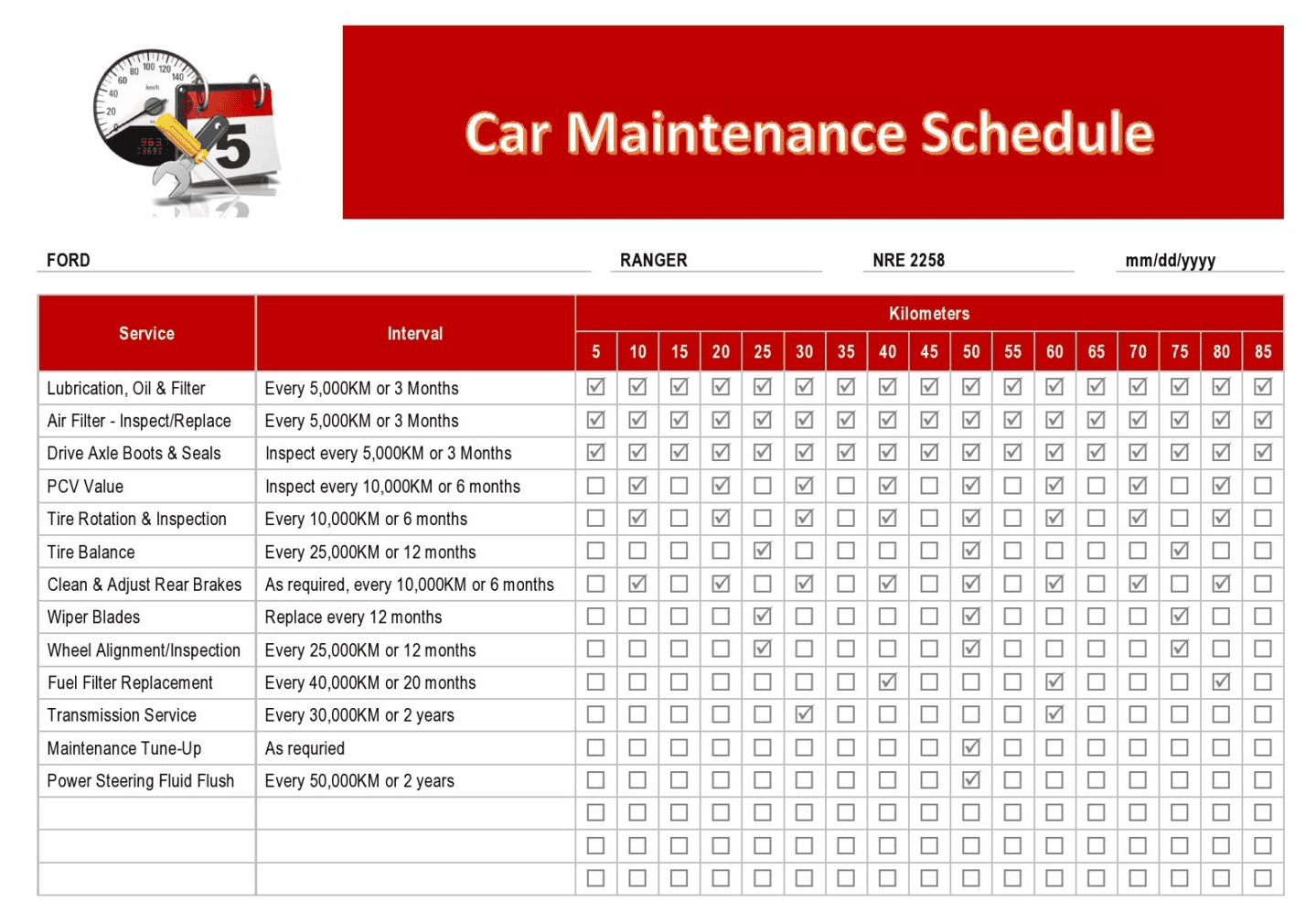
Your Vehicle’s Service Schedule

Reading the "Owner's Manual" issued by your vehicle manufacturer is mandatory. The manufacturer specifies exactly what needs to be changed and at what mileage (or time interval). Sometimes, at 5,000 km, only a general service might be required. However, at 40,000 km, changing major components like gear oil, spark plugs, or the timing belt might be mandatory. If you go for a general service without knowing this, mechanics might replace unnecessary parts or perform unneeded services. Conversely, critical components might be missed, leading to vehicle damage.
The Correct Engine Oil Type You Should Use
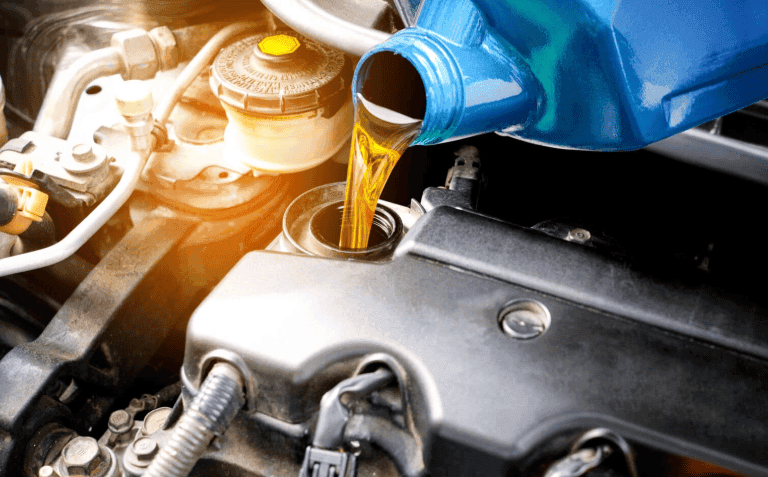
Every engine is designed for a specific oil type with a precise viscosity and quality standard. Do you know if your vehicle requires API (e.g., SN, SP) or ACEA standards? It is crucial to know whether the viscosity should be 10W-30, 5W-40, or 0W-20. Putting the wrong oil type without this knowledge can cause engine parts to wear out quickly.
If a service station suggests switching to a cheaper oil or putting an unsuitable oil type in your vehicle, this knowledge will help you refuse such offers.
The Importance of Checking All Fluid Levels
In addition to changing the engine oil, it is essential to check several other fluids.
Transmission Fluid (Gear Oil)
Especially in Auto Gear vehicles, the quality of gear oil degrades over time due to high heat generated during operation and mechanical friction. If not changed on time (often between 60,000 km to 100,000 km), gear shifting can become rough, the gearbox can overheat, and eventually, it may lead to expensive repairs or a complete gearbox replacement. Leaks can occur, and if the level drops, pressure in the gearbox decreases, preventing parts from being properly lubricated. Therefore, checking the level regularly helps detect leaks early and prevent damage.
Brake Fluid
A special characteristic of brake fluid is that it easily absorbs moisture from the air. When water mixes with the oil, its boiling point drops. When you use brakes heavily (e.g., on a slope), the brake system overheats, causing the water in the fluid to vaporize and form bubbles. This leads to a condition called "Brake Fade," where the brakes fail to operate even when the pedal is pressed, potentially causing accidents. Therefore, changing brake fluid generally every 2 years is essential. If the level drops, it often indicates a leak in the system. Also, the level drops slightly as brake pads wear. If it drops below the minimum limit, air can enter the system, leading to brake failure.
Power Steering Fluid
Over time, this fluid gets contaminated and loses its lubricating properties. Using old fluid forces the Power Steering Pump to work harder, causing noise and system damage. You might also feel roughness when turning the steering wheel. Changing the fluid on time (depending on the vehicle type) protects the system components and keeps steering smooth. A drop in level usually indicates a leak. Low levels can cause the pump to suck in air, creating loud noises and making steering difficult to control. (Note: This is not required for vehicles with modern EPS systems).
Coolant
Coolant is a mixture of water and antifreeze. Its main functions, aside from cooling, are preventing corrosion of metal parts in the engine and radiator. Over time, the chemical inhibitors break down, leading to rust and blockages in the cooling system. Generally, coolant should be changed every 2 to 5 years to prevent damage caused by engine overheating. A drop in coolant level causes engine temperature to rise rapidly, damaging the engine. Checking the level regularly allows you to get an early warning about leaks (radiator, hoses, or water pump) before the Temperature Gauge rises or warning lights turn on.
You must ask the service provider if they checked all these things.
Condition of Filters
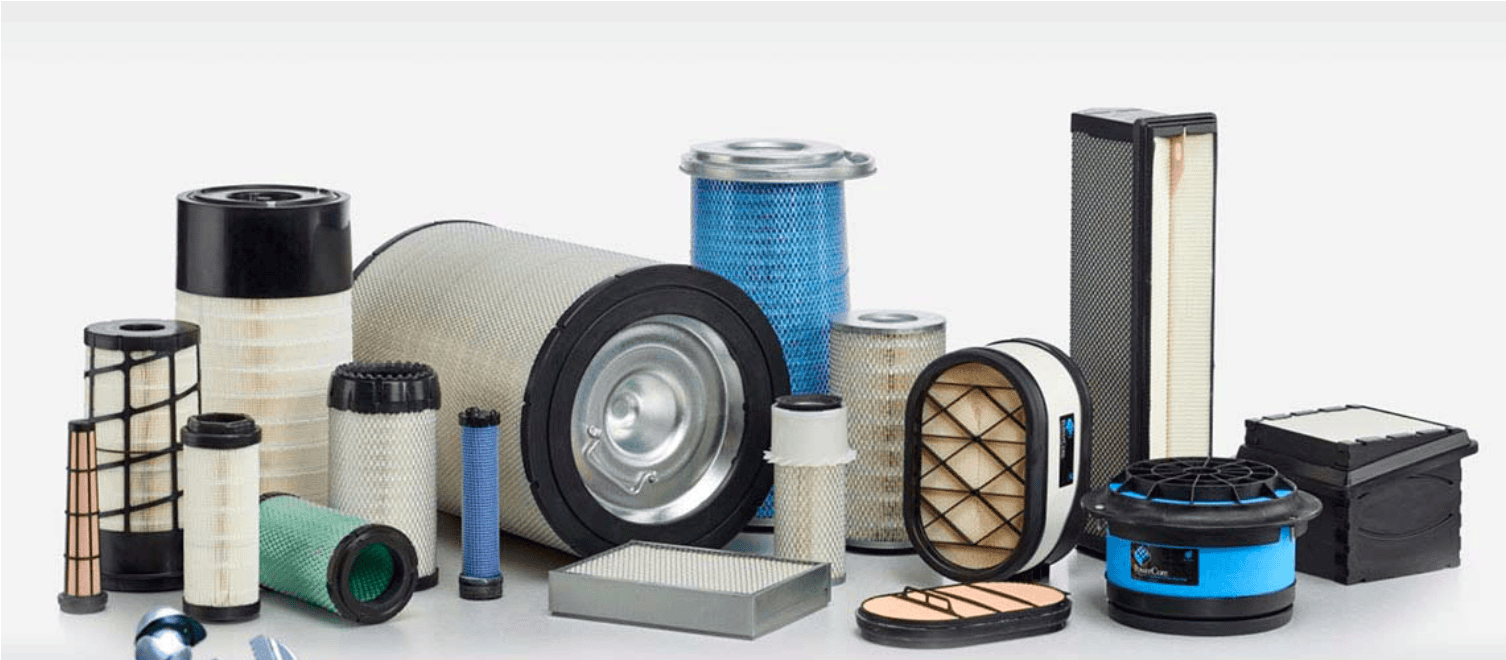
- Engine Oil Filter: Just as oil is changed during a service, checking the filter condition is important. The Oil Filter must always be changed along with the oil. You must use a filter of proper standard.
- Air Filter: If this is dirty, fuel efficiency decreases. Therefore, timely replacement is essential.
- Cabin/AC Filter: When this gets dirty, the air quality inside the vehicle drops, and it can damage the AC system. Timely replacement is essential.
Tyre Pressure and Wheel Condition
These must be checked during a standard service. You should know the correct tyre pressure required for your vehicle (usually mentioned on the driver's side door frame or fuel cap).
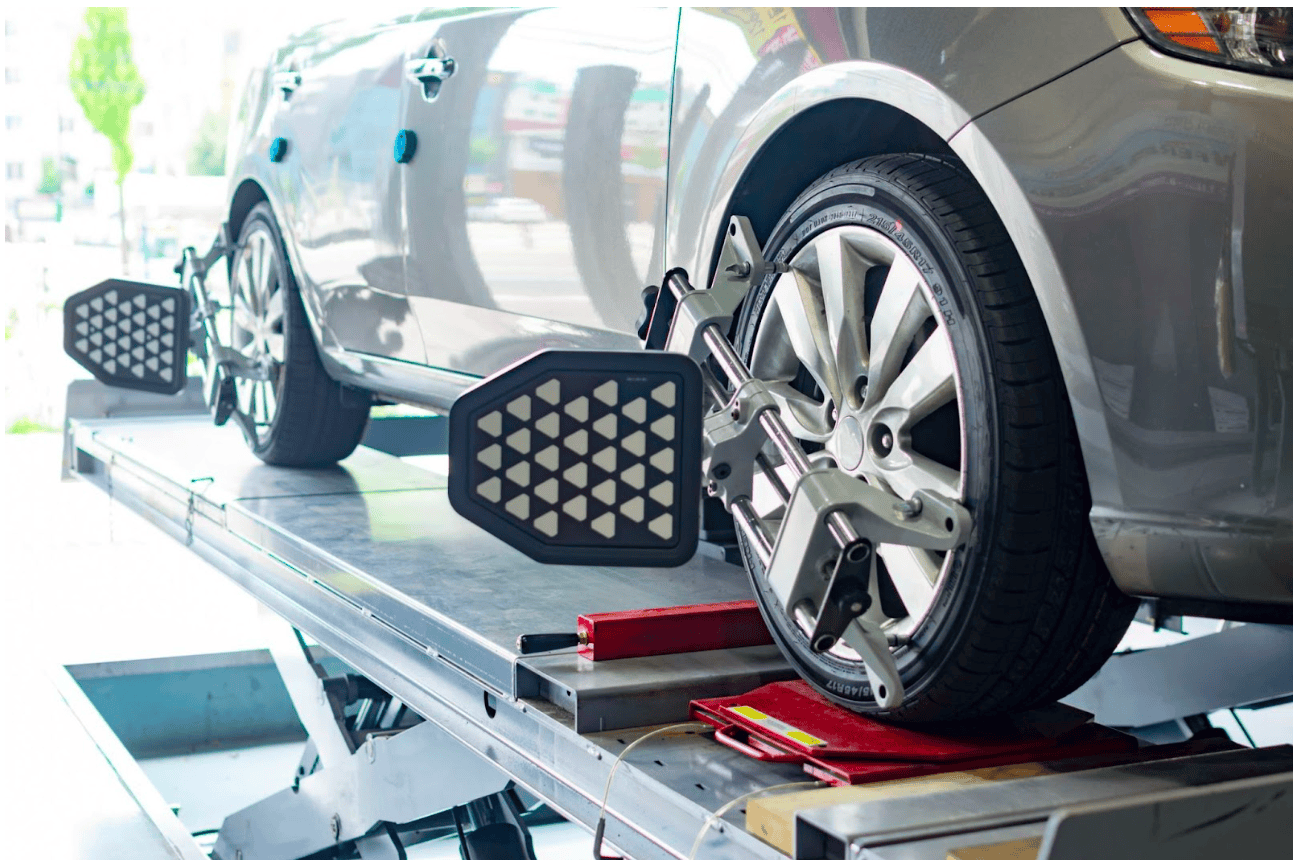
Wheel Alignment & Balancing: If the vehicle pulls to one side, if tyre wear is uneven, or if there is excessive vibration, you should know that these services are required.
Misdiagnosis and Scanning
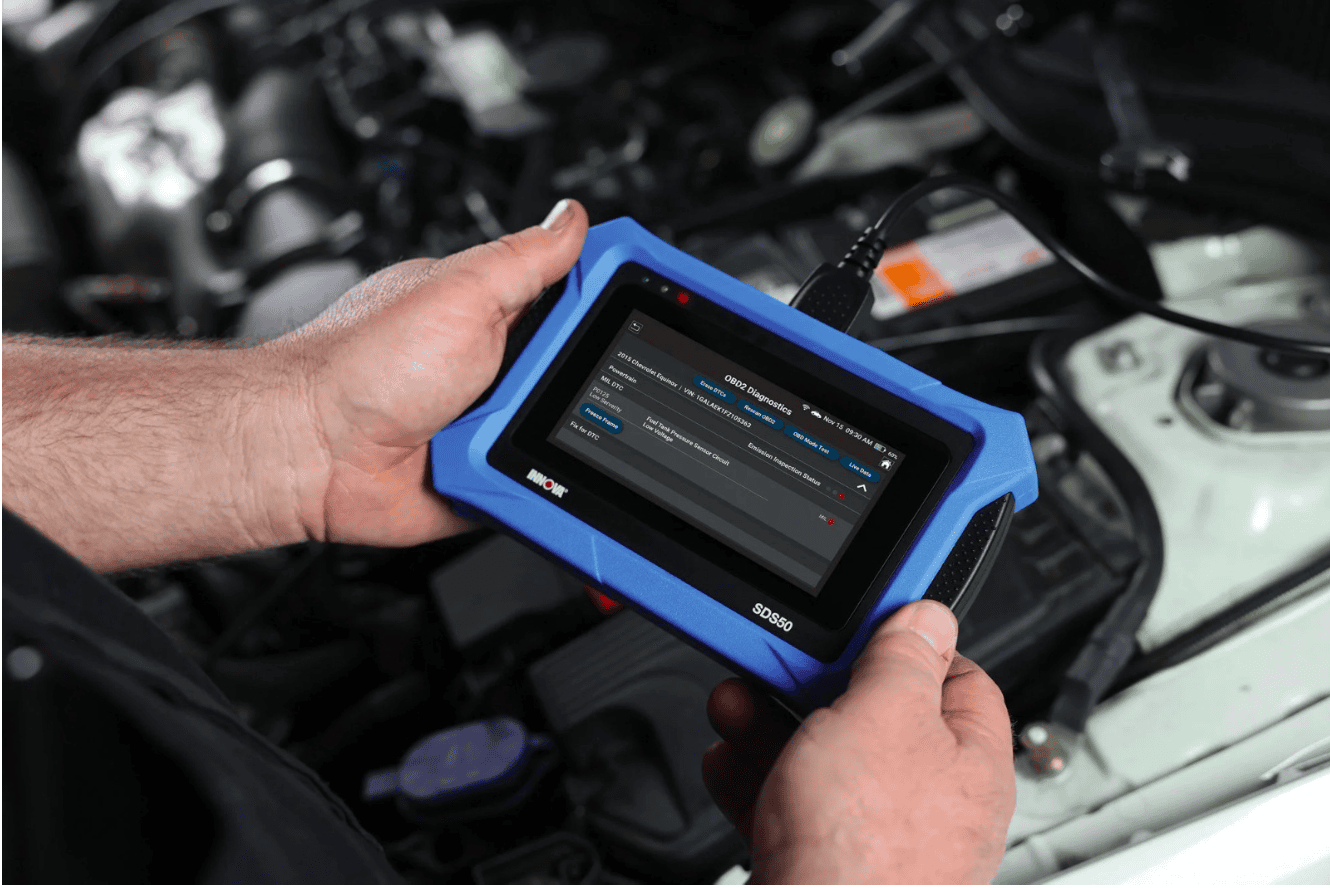
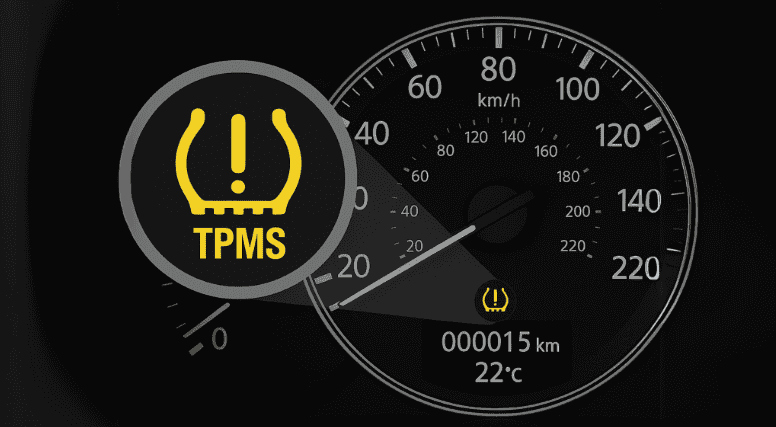
In modern vehicles, even a simple issue can trigger the Check Engine Light. If the Check Engine light or any other warning light is on, a proper scan using an OBD Scanner (On-Board Diagnostics) is necessary to find the cause. Just because a light is on, don't rush to replace a sensor or the Computer Box (ECU). A correct diagnostic can reveal the root cause (e.g., a loose cable, slight change in fuel pressure). An experienced technician should be able to read the data. A simple reset could sometimes prevent a huge expense.
Knowledge of the Brake System

While changing Brake Pads is a simple process, attention must be paid to the entire brake system.
- Brake Discs/Rotors: Every time pads are changed, the thickness and scoring of the discs should be checked. If discs are excessively worn or warped, they must be replaced.
- Calipers: Are the calipers properly lubricated? If they are seized, it causes uneven brake pad wear, requiring frequent replacements.
- Brake Hoses: Rubber hoses must be checked for cracks or weaknesses.
Timing Belt / Chain
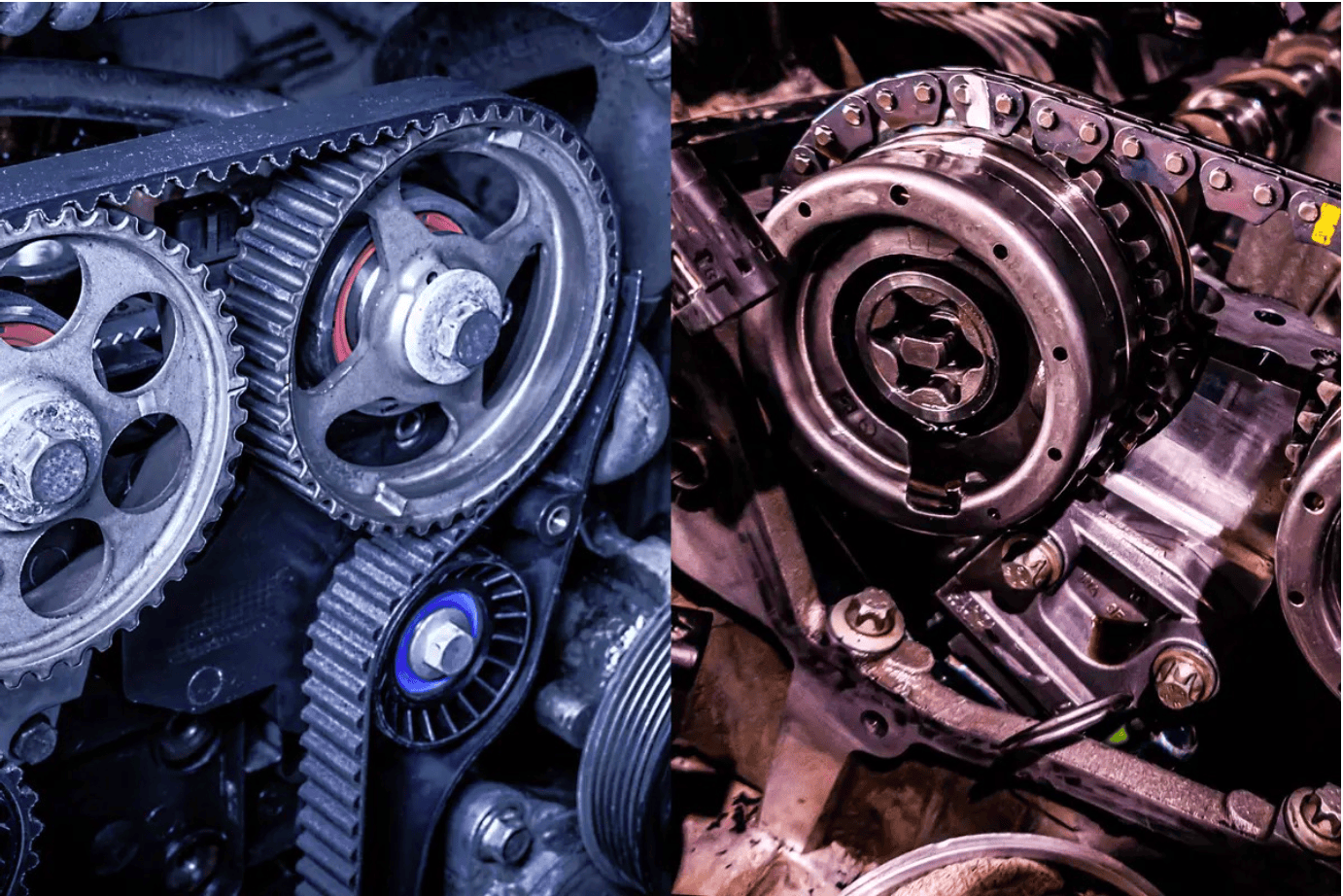
This is a crucial and expensive maintenance item. Many drivers ignore this. You must know if your vehicle has a Timing Belt or a Timing Chain.
- Timing Belt: This must be replaced before the mileage specified by the manufacturer (e.g., 80,000 km or 100,000 km). If the belt breaks, valves and pistons in the engine can collide, causing massive damage (Engine Total Loss).
- Timing Chain: These are generally designed to last the engine's lifetime, but in some vehicles, components like tensioners (which lack auto-adjustment) need timely replacement.
Additionally, when changing the Timing Belt, changing the Water Pump, Tensioner, and Idler Bearings at the same time can reduce long-term costs.
Vehicle Suspension System
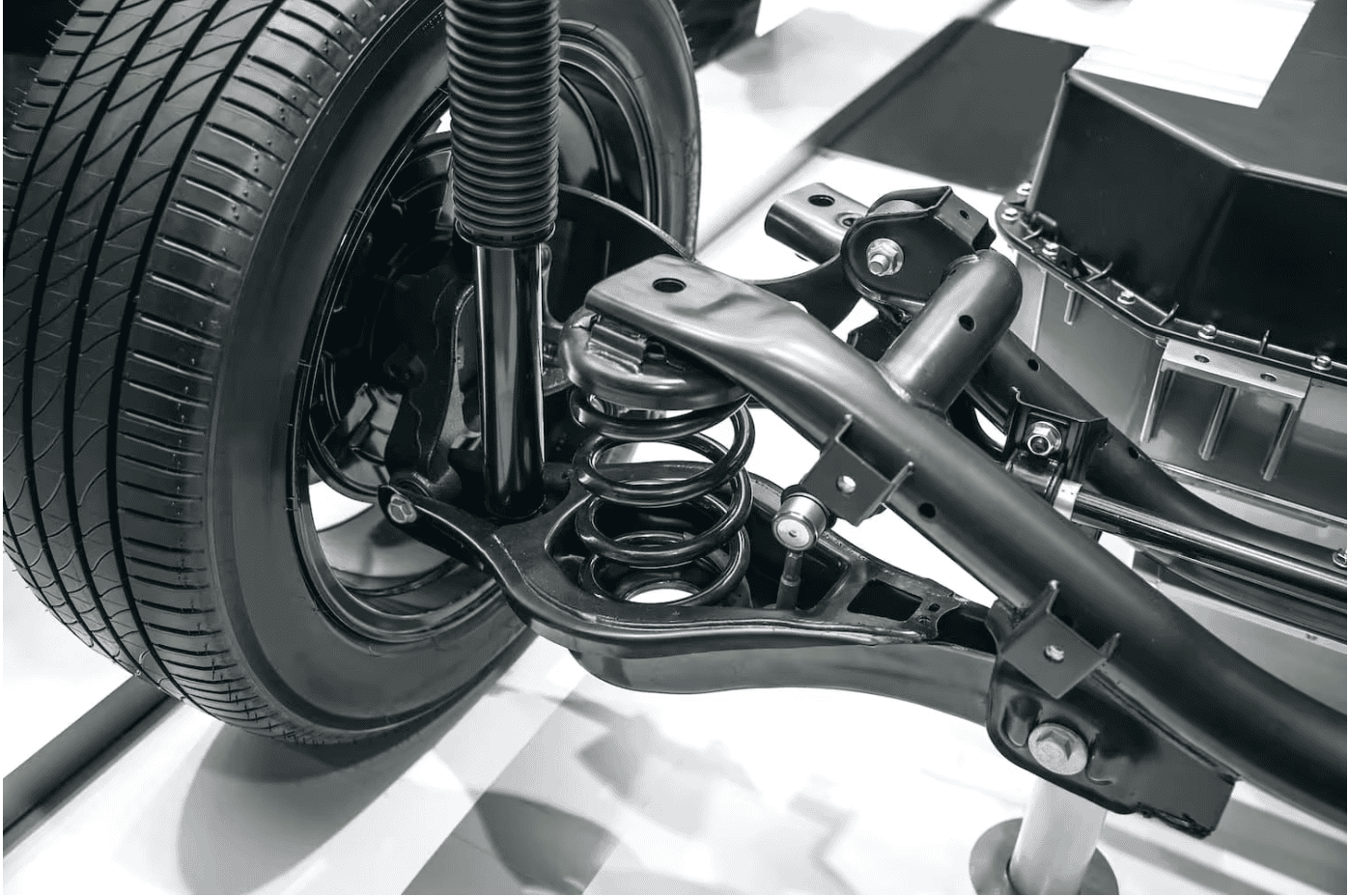
These should be checked during a good service. If Shock Absorbers are leaking oil or if the vehicle bounces excessively, their performance has deteriorated.
Bushings and Ball Joints
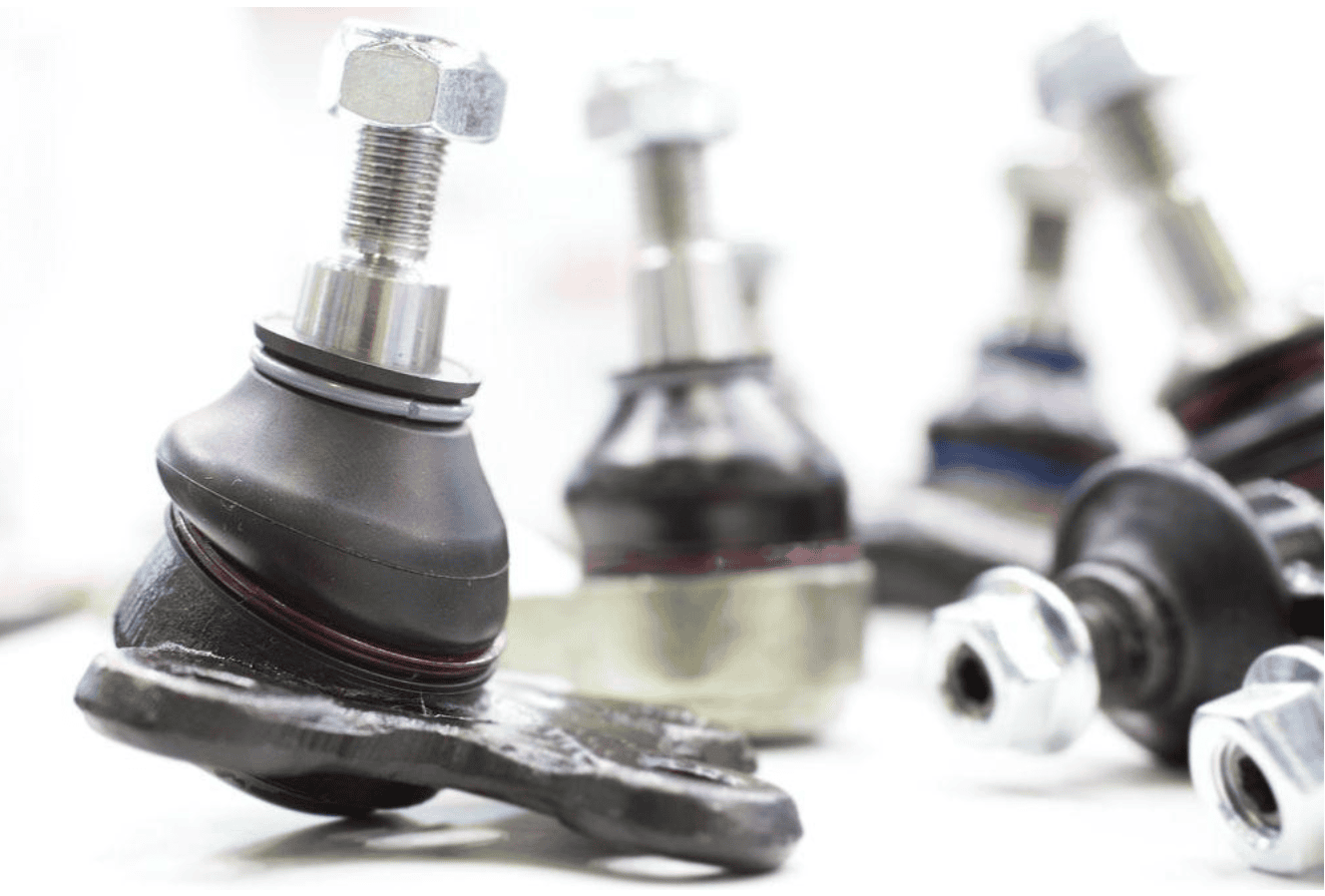
If these are worn out, noises may occur while driving, and it can cause tyres to wear out quickly.
Battery and Electrical System
The battery is a vital part of your vehicle. Measuring the correct Voltage and Cold Cranking Amps (CCA) is very important. Also, if there is corrosion on the battery terminals, it hinders charging. Therefore, cleaning them is crucial.
Alternator: It is necessary to check if the battery charges correctly (Charging Voltage) when the engine is running. Proper charging extends battery life.
These things mentioned above must be done during a Full Service, but whether all these activities actually happen is the question. However, if you go to the service center aware of these facts, you can speak to them with confidence. Furthermore, you can keep your vehicle in top condition while avoiding unnecessary expenses.

Written by
Nipuna Marasinghe