Exploring Japan's Famous 'Liberty Walk' (LB Performance)

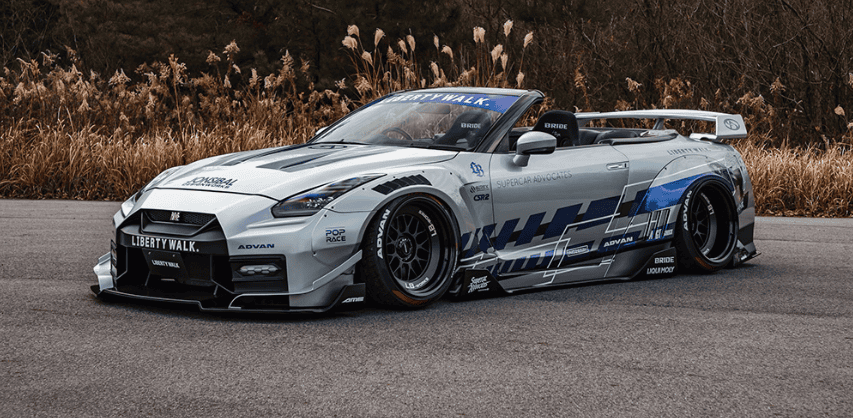
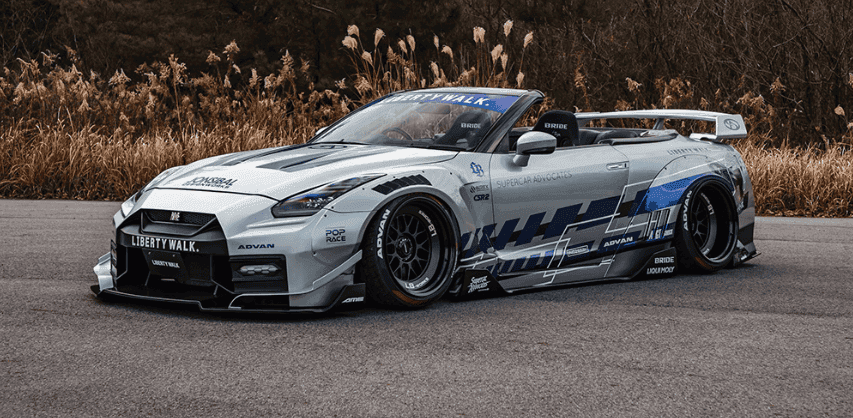
Today at Motor Guide, we are going to talk about a fascinating concept that completely revolutionized the Automotive Modification industry: the highly popular and controversial Japanese brand known as 'Liberty Walk' (LB Performance). From standard cars to world-class supercars, this modification style has become a massive talking point across the entire automotive world today.
Respected and sometimes heavily criticized by car enthusiasts, this name represents a highly creative technical methodology that completely transforms a standard vehicle. As professionals in this field, we know that cutting up the original body panels of a multi-million dollar supercar with sharp blades is by no means an easy task. But the founder, Wataru Kato, managed to elevate this from a mere modification into a true art form.

The Roots: Kaido Racer and Bosozoku Culture
The fundamental basis of these Liberty Walk modifications lies in Japan's old Kaido Racer and traditional Bosozoku culture. We usually see world-renowned supercar manufacturers like Ferrari, Lamborghini, McLaren, or Nissan GT-R designing their vehicles very carefully, strictly adhering to aerodynamic calculations and factory standards.
However, what these Liberty Walk artisans do is step outside of any tradition or factory warranty. They carefully cut away the vehicle's original fenders and add massive, riveted wide-body fenders and bolted-on panels. From a technical standpoint, this requires deep attention to the vehicle's stability, weight distribution, and airflow dynamics; otherwise, the vehicle could lose control during high-speed driving.
Materials and Precision Engineering
Diving deeper into the technical aspects and the manufacturing process, these body kits are predominantly made using high-quality FRP (Fiber Reinforced Polymer) or the highly expensive and lightweight CFRP (Carbon Fiber Reinforced Polymer). These materials are essential to provide maximum strength and durability without significantly increasing the vehicle's original weight.
The process of cutting and shaping the vehicle's body is executed using precision measurements and CAD (Computer-Aided Design) technology. They carefully analyze stress lines and load-bearing points before making any modifications. If this is not done correctly, the structural integrity of the chassis can weaken, leading to a risk of severe accidents during high-speed runs.
Air Suspension Systems (Air Ride)
Another major technical component used with these types of vehicles is a high-quality Air Suspension System (Air Ride). You cannot drive a vehicle with such a "slammed stance" on regular roads without any issues using just standard static springs or coilovers.
Therefore, an adjustable air suspension system—which can alter the vehicle's height within seconds via a button or remote control—is mandatorily installed. This allows the vehicle's body to be raised for congested city driving, clearing speed bumps, or highway cruising, and then be completely lowered parallel to the ground (pancaked) at car shows.
Wheel Geometry and Stance
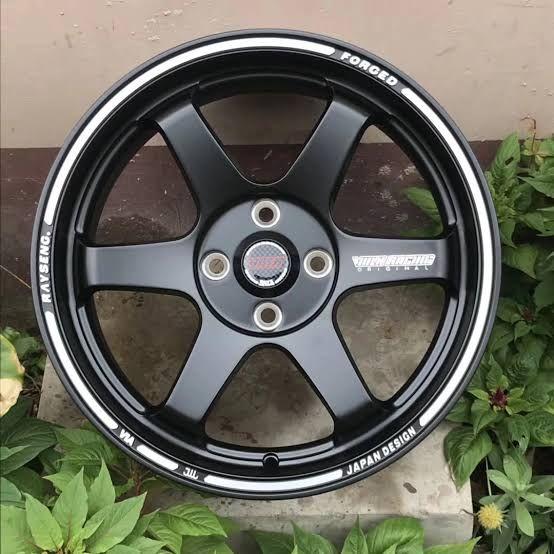
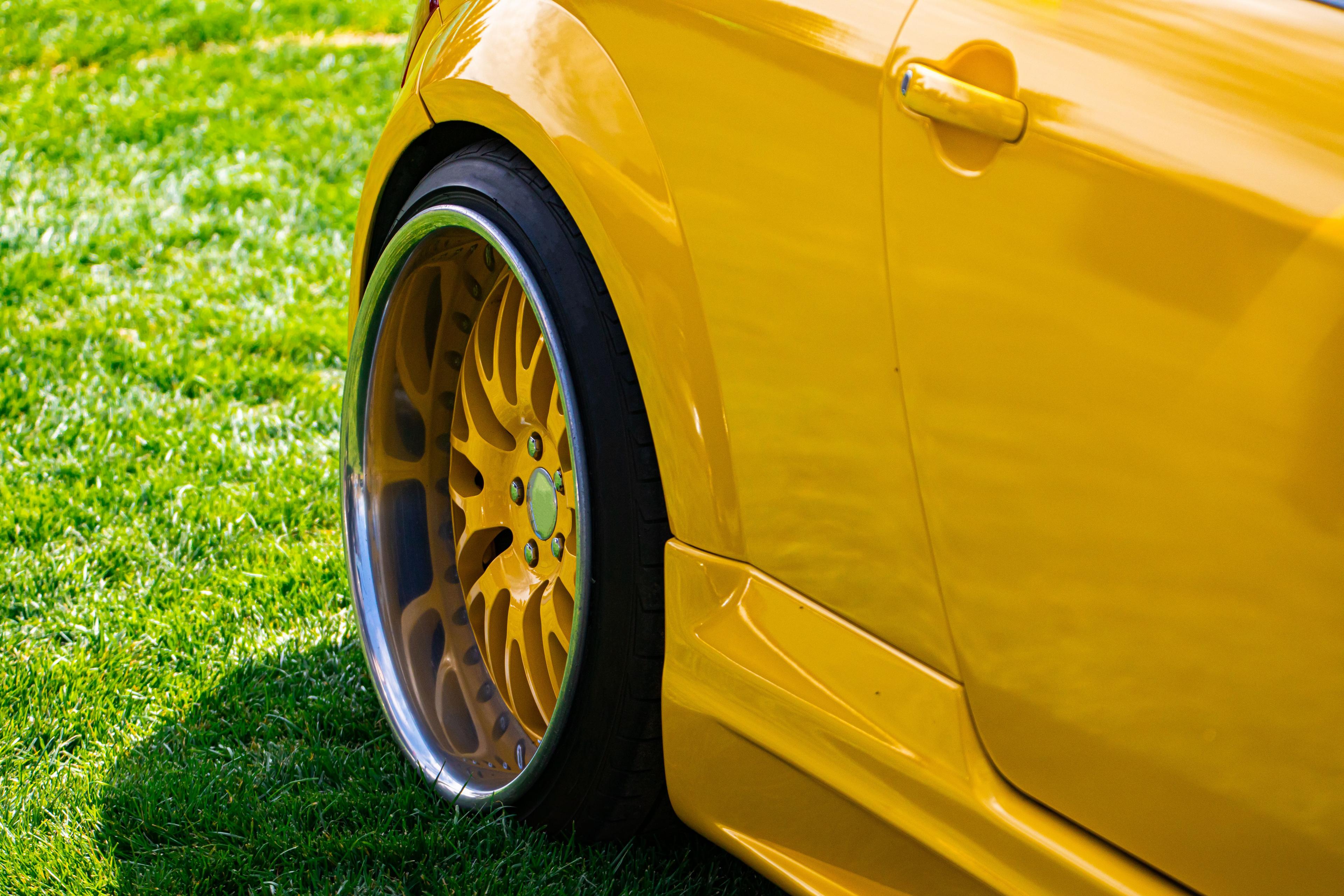
When making extreme modifications like this, the selection of wheels and rims, along with setting up the wheel geometry, must be done with utmost care. Instead of standard-sized wheels, Deep Dish Wheels with a Negative Offset are utilized. Because of this specialized setup, the gap between the tire and the fender lip is drastically minimized. This gives the vehicle a highly aggressive look while also helping to improve road grip (traction) during cornering. Furthermore, correctly adjusting the Camber Angles helps maintain the balance and alignment of the wheels.
Motor Guide's Final Advice
The most important thing to remember when applying massive body kits and technical modifications like this to a vehicle is that it directly impacts the vehicle's structural integrity, factory warranties, and resale value. These extreme modifications are much more suited for a Show Car or a dedicated hobby vehicle rather than one used for daily driving.
We also strongly emphasize that when installing these kits, it is absolutely essential to use the services of experienced and properly trained technicians, as well as using the highest quality spare parts.
And don't forget to always stay tuned with Motor Guide to learn more valuable information like this about modern vehicles and technology!
Written by
Nisaga Sandaru
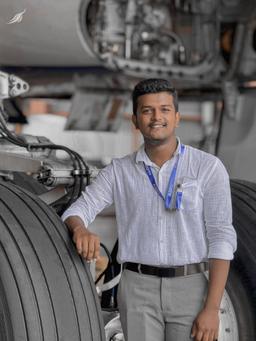
A versatile and highly experienced professional, currently an Automobile undergraduate at the University of Jaffna, with strong technical expertise grounded in hands-on work as a technician with SriLankan Airlines Ground Support Equipment (GSE). Holding an Automobile NVQ Level 3 qualification, along with specialized certifications in Vehicle ECU Programming and Diagnosis, and extensive experience in arc welding and vehicle body painting, and well equipped to handle complex automotive, diagnostic, and fabrication-related tasks with a high level of competence.