Can the Batteries of Electric Vehicles Be Repaired?

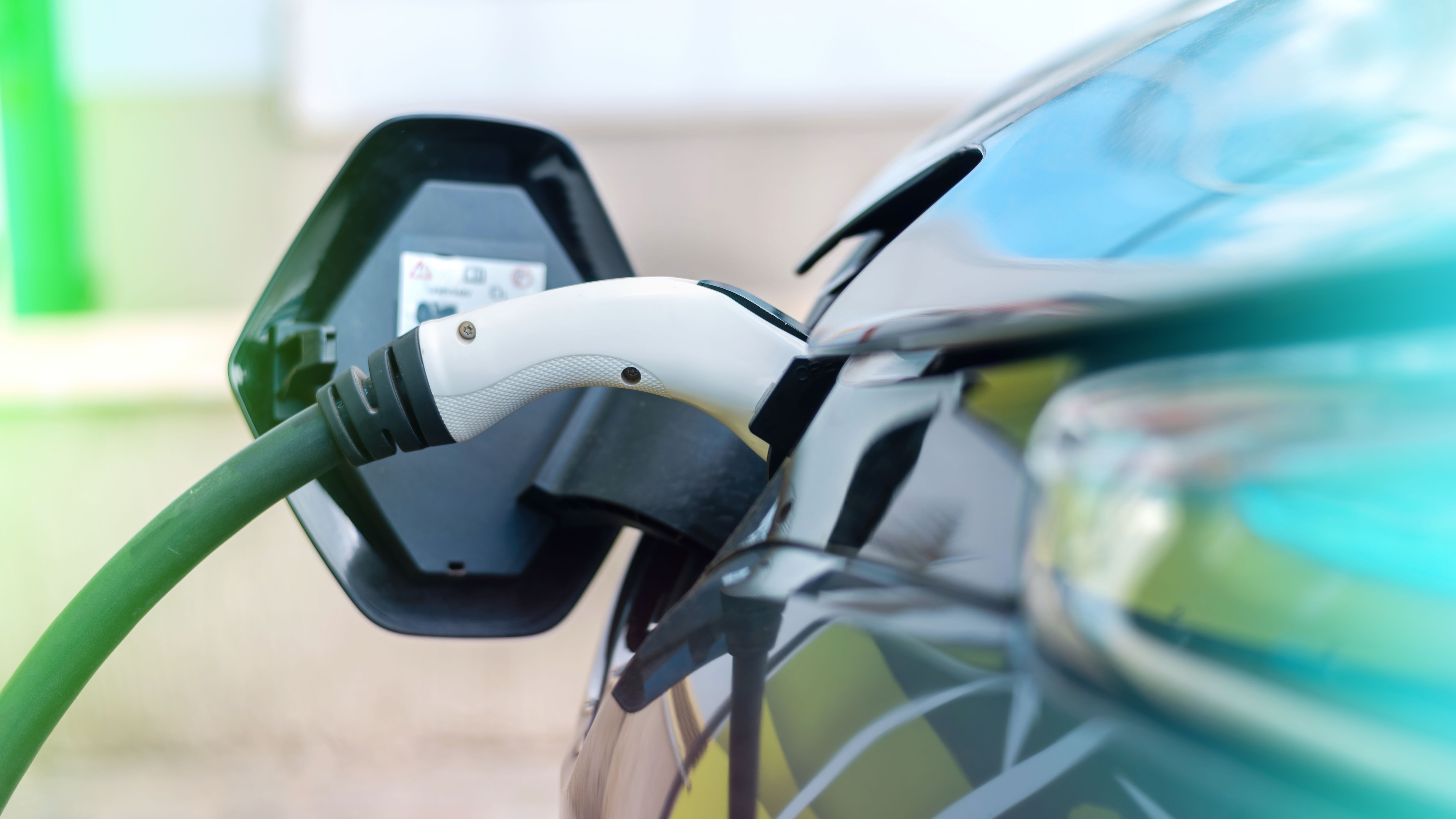
Today, many vehicles around the world use different types of batteries to power them. Over time, these batteries experience wear, degradation, and errors that may require repair or replacement. In this article, MotorGuide explains whether electric vehicle (EV) batteries can be repaired and how the process works.
Current Types of Electric Vehicle Batteries
- Lithium-ion batteries
- Nickel-metal hydride batteries
- Lead-acid batteries
- Ultracapacitors
Durability of Electric Vehicle Batteries
Electric vehicle batteries are more expensive than conventional car batteries, but they last just as long—or even longer—than gasoline or diesel vehicle batteries. On average, EV batteries last between 10–20 years or up to 500,000 miles, depending on usage, climate, and charging habits.
Battery Degradation
The main challenge with EV batteries is capacity loss over time, known as degradation. The difference between the battery’s maximum capacity at the time of manufacture and its current capacity is called its State of Health (SOH).
Lithium-ion batteries, the most widely used type, degrade when lithium ions are lost through side reactions with the electrolyte. As a result, range and performance gradually decline over years of use.
Can an Electric Vehicle Battery Be Repaired?
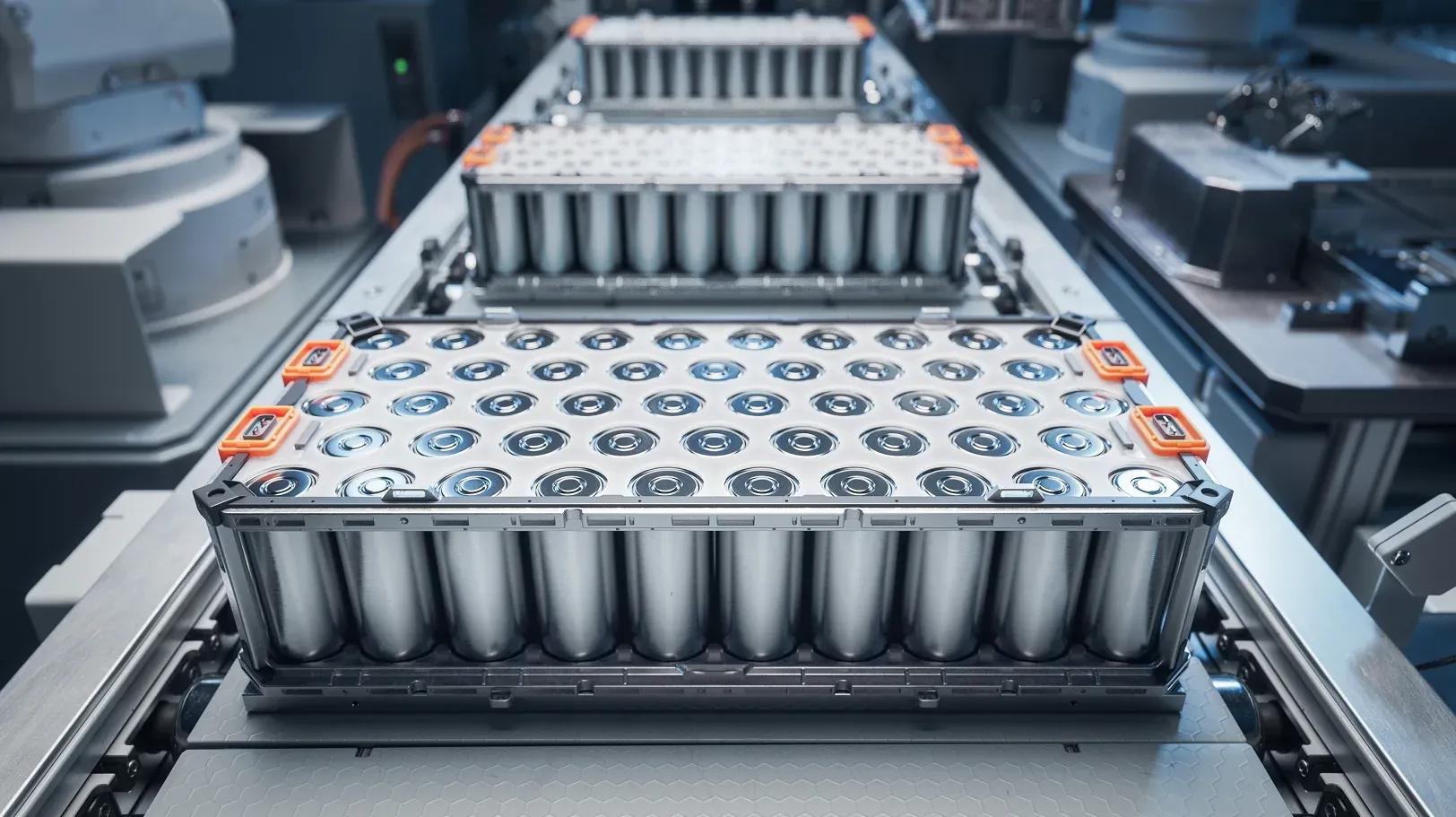
Yes, in many cases, EV batteries can be repaired. While we often think of the battery pack as a single unit, it is actually divided into multiple levels:
- Cells: The smallest unit, such as the 96 cells in a BMW i3 battery.
- Modules: Groups of cells, e.g., 12 cells combined into one module.
- Battery Pack: Several modules grouped together, e.g., 8 modules forming one complete pack.
In most cases, only one module is defective—not the entire battery. For example, corrosion around battery sensors can trigger a fault in the Battery Management System (BMS), sometimes even preventing the vehicle from starting. By repairing or replacing the faulty module, the entire battery can often be restored without needing a full replacement.
However, if multiple modules are affected or if damage is severe, replacement may be the only option. Deciding between repair and replacement depends on the nature of the fault, cost considerations, and availability of parts.
So, can EV batteries be repaired? The answer is yes, but it depends on the damage. Minor faults in modules or sensors can often be fixed, saving costs. But in cases of severe degradation or widespread failure, replacement is usually necessary. Always consult a certified EV technician to determine whether repair or replacement is the best solution.
FAQs About Electric Vehicle Batteries
How long do electric vehicle batteries last?
Most EV batteries last between 10–20 years or up to 500,000 miles, depending on usage and maintenance.
Is it cheaper to repair or replace an EV battery?
Repairing a single module is much cheaper than replacing the entire pack. However, if the damage is widespread, replacement may be more practical in the long run.
Can a degraded EV battery be restored to full capacity?
No. Repairs can restore functionality and extend lifespan, but they cannot fully restore the original capacity once lost.

Written by
Nipuna Marasinghe