Let's learn about the petrol engine.


The Art of petrol engines
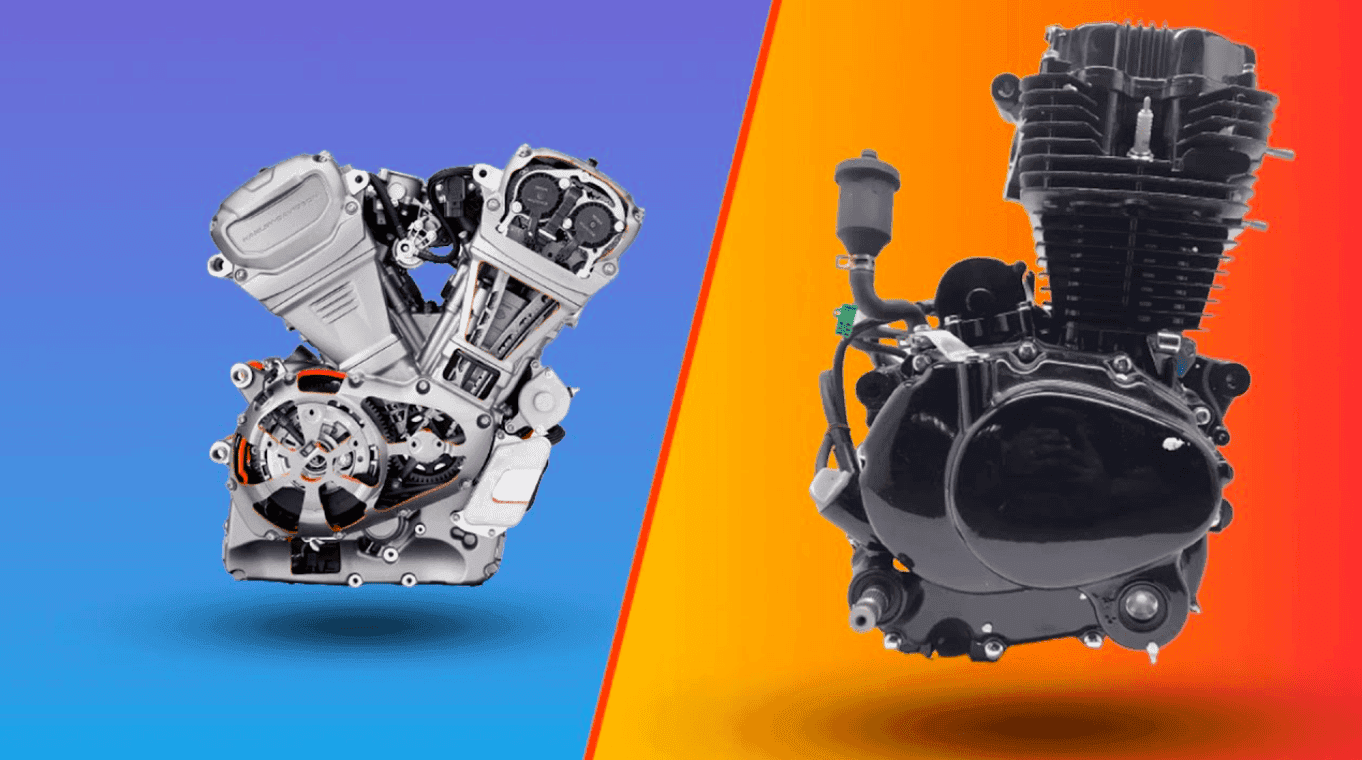
The holy grail of engineering marvels is the internal combustion engines. The golden currency keeping this grail running is petroleum. In reality fuel is the name of the game. Most vehicles you find on the road strolling around these days use petroleum engines except with the use case of heavy vehicles. So what sets the petroleum engines apart and how exactly does it work?
What are the main parts of this petroleum wizardry?
- Cylinder Head
- Engine Block
- Crank
- Cams
- Suction Valve
- Spark plugs
- Cylinder
- Piston rod
- Piston
How exactly do these parts come together?
- A petrol engine works under 4 strokes.
- Suction stroke
- Compression stroke
- Power stroke
- Exhaust stroke
When the piston reaches the peak position it's known as the top dead center and the other end of that is called the bottom dead center. The diameter of the piston matches up with the diameter of the cylinder ranging slightly smaller by the narrowest of margins allowing it to travel back and forth.
Suction Stroke
During the suction stroke the piston makes its way to the bottom dead center and along with that creates a vacuum within the top half of the chamber. With the exhaust valves closed the only valves that are open are the valves releasing the Air and gas mixture to the combustion chamber.
Compression stroke
As the piston hits bottom dead center it moves back into position to the top center position reaching maximum compression of the combustible gasses and fuel present within the top half of the cylinder. During this process, both the exhaust valves and the suction valves are closed up.
Power stroke
This is the showman out of the four strokes. At their peak with the air fuel mixture compressed a spark is introduced in order to create combustion, Which sends the piston right back to the bottom dead center.This is the main event which produces energy to run the vehicle. Literally speaking your combustible gas emits higher pressures that send the piston back into bottom center position.
Exhaust blow
This is where your end products are excreted. The piston travels back up into top dead center and during this process the burnt fuel and gasses are excreted to the exhaust valves which are open.
This is how things go about in your petrol engine,The smaller more aggressive brother to diesel engines.You've used this your entire life and now you're beginning to wonder how things really worked out beneath the hood.So let your friends and fellow drivers be aware of what's actually going on underneath their hood.

Written by
Nipuna Marasinghe