Open Papers: What Car Owners Should Do After the New Law

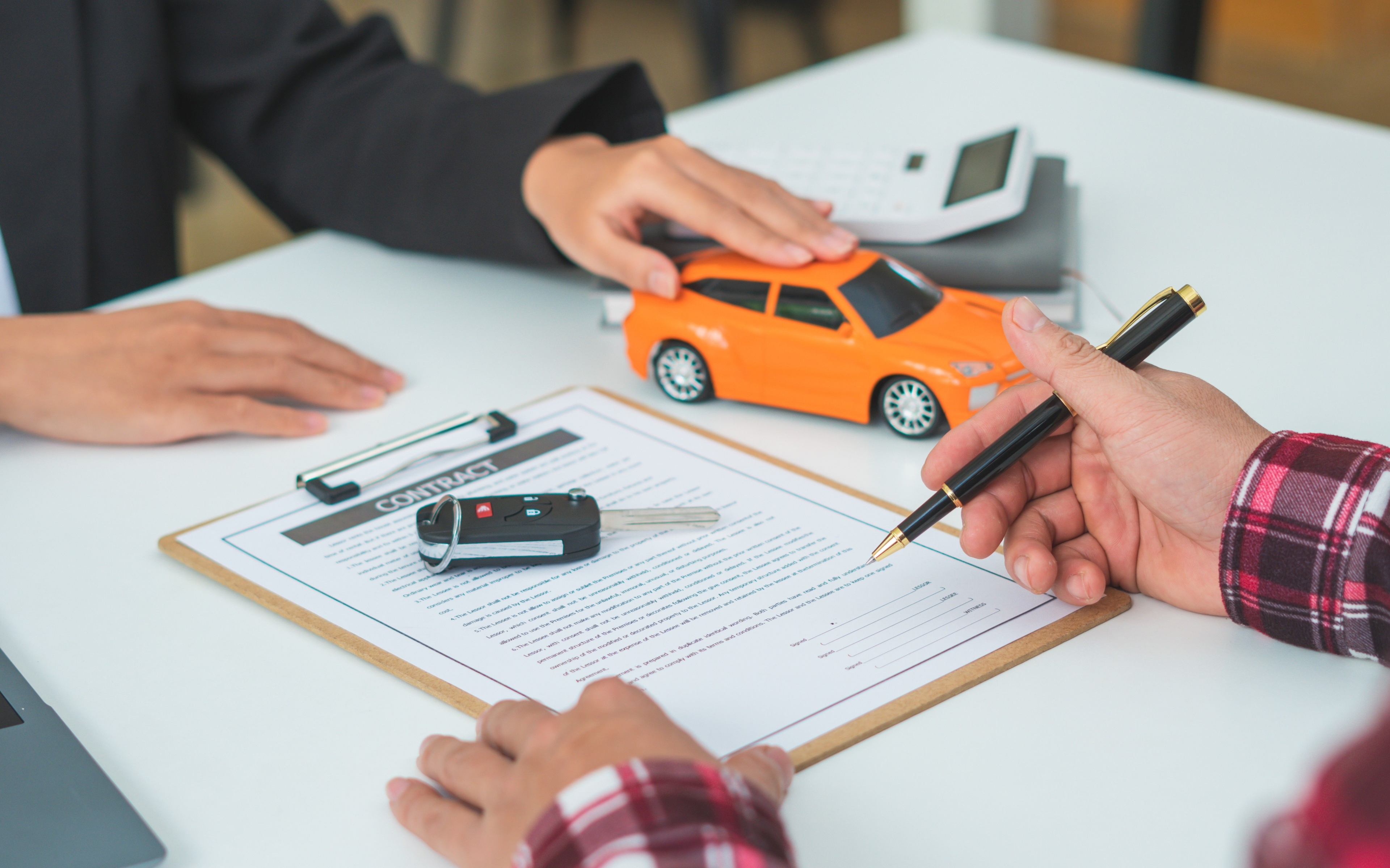
Nowadays, many people are accustomed to keeping vehicles with open papers. The main reasons for this are to avoid taxes, use for a short period, or for resale. However, keeping vehicles with open papers is not good for either the buyer or the seller, because they have to face significant legal problems. Due to this, laws related to open papers vehicles have even been updated.
Today, through MotorGuide, we are informing you about what owners of open papers vehicles should do after the new law came into effect.
What are open papers vehicles?
Vehicles kept on open documents are called open papers vehicles. This means the book is not in the current owner's name. The book has one name, but the vehicle is with someone else. This happens when the person driving the vehicle does not transfer the vehicle to their name, and it remains in the name of the previous owner.
What happens with open papers?
Imagine you are selling a vehicle with open papers. First, you fill out four pages of the MT6 forms, keep the first two pages with you, and give the last two pages to the person buying the vehicle. Now, the person who sold the vehicle must submit one of the two pages they have to the RMV. Not only that, but the person who bought the vehicle also needs to submit one of the two pages they have to the RMV.
Penalty for open papers vehicles
As mentioned earlier, many people in Sri Lanka are currently accustomed to keeping vehicles with open papers. According to the Motor Traffic Act, when a vehicle is transferred or sold, the new owner must transfer the relevant vehicle within 14 days from the date of sale. If it is not transferred, a penalty of 100 rupees per day will be imposed from the 15th day until the motor vehicle is transferred. Typically, for three-wheelers and motorcycles, this goes up to a maximum of 50,000 rupees. For cars, vans, and lorries, fines can go up to 100,000 rupees. Therefore, after selling a vehicle, the relevant party must transfer the vehicle within 14 days. However, this is currently not happening in today's society.
Cases upon cases
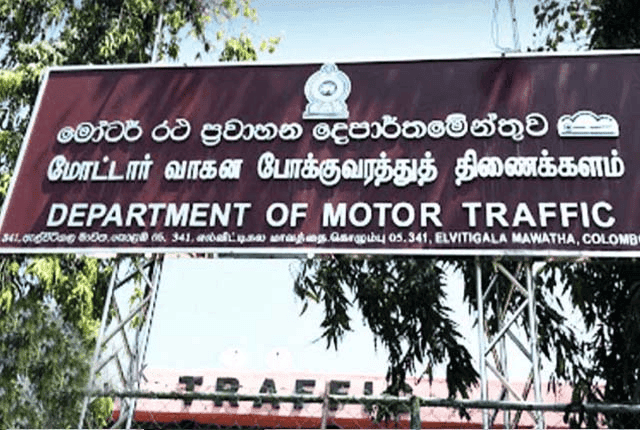
Because the vehicle is not transferred in this manner, the person who sold the vehicle faces severe difficulties. This is because if the person who bought the vehicle commits an offense through the currently active CCTV fine system, the penalty is received by the old owner of the vehicle. This is because his name is still in the Motor Traffic Department's system. Accordingly, he is the person who is legally liable for the relevant offense. Also, if a vehicle registered under one's name is involved in another crime in the country and a problem arises, the police, upon investigation, will quickly find the owner listed in the motor vehicle system. Therefore, if you sell your vehicle to someone, immediately provide that information to the Motor Traffic Department.
Now you understand, right? Open papers vehicles are no joke. Not only the buyer but also the seller has to face many big problems. So, avoid selling open papers vehicles and unnecessarily burdening yourself with others' mistakes and troubles. If you always act according to the law, both you and the country will definitely be protected.

Written by
Nipuna Marasinghe