Reasons Why Insurance Companies Don't Pay Compensation


With the rapid development of today's world, the number of vehicles on the road has increased significantly. No matter how carefully we drive, the risk of accidents is always present. This is why it is essential to insure your vehicle before driving on the highway. Insurance provides financial protection for both the vehicle owner and other passengers on the road. However, in some cases, insurance companies refuse to pay compensation after an accident. Today, MotorGuide explains the common reasons behind this.
Legal Aspects of Insurance
The benefits of any insurance policy depend on the coverage chosen and the value of the policy. Once a vehicle is fully insured, the responsibility of compensation lies with the insurance company and the policyholder. However, compensation is only provided if the accident falls within the terms and conditions of the insurance policy and complies with the law.
Situations Where You Lose Insurance Coverage
Insurance companies may deny compensation if the following conditions apply:
- Driving underage
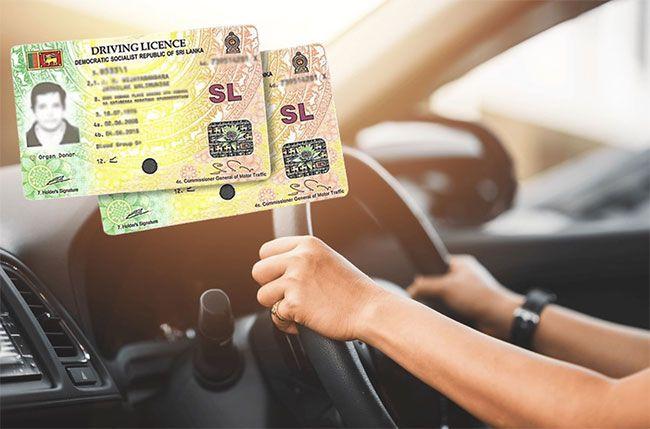
- Driving without a valid driver’s license
- Expired insurance policy
- Driving under the influence of alcohol or drugs
- Not having a valid income tax (road tax) license
If the Accident Involves a Third Party
Some people hesitate to claim compensation when the at-fault driver does not have insurance. This is a mistake. Even if the responsible party is uninsured, you still have the right to file a personal claim for compensation. Neglecting to do so could result in unnecessary financial loss.
Time Limit for Making a Claim
In the case of a motor vehicle accident, the case is first heard in the Magistrate's Court, which determines punishment such as fines or imprisonment for the driver. However, to obtain insurance compensation, the victim must file a civil case. This claim must be made within two years from the date of the accident. Failing to do so will prevent you from legally obtaining compensation.
Documents Required for Third-Party Compensation
When claiming compensation as a third party, you need to provide the following documents:
- Address details of the offender
- Address details of the vehicle owner
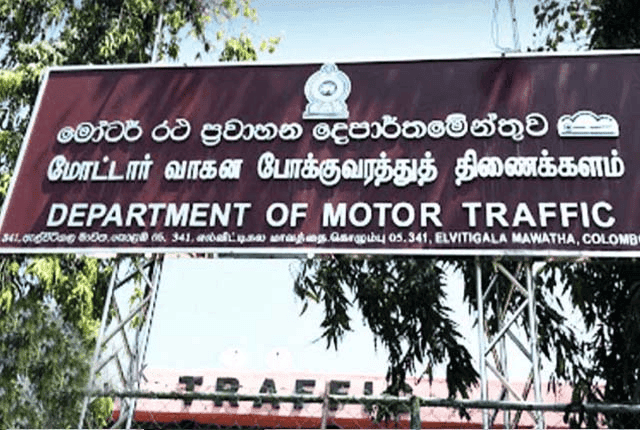
- Certificate from the Department of Motor Registration confirming ownership
- List of expenses incurred due to the accident
Insurance is designed to protect you, but compensation can only be obtained if you follow the rules and meet legal requirements. Driving responsibly, renewing your insurance on time, and keeping proper documentation will ensure that you don’t face unexpected issues when making a claim. We at MotorGuide hope you now have a better understanding of why insurance companies sometimes do not pay compensation.

Written by
Nipuna Marasinghe