Repairing the Vehicle's ABS System

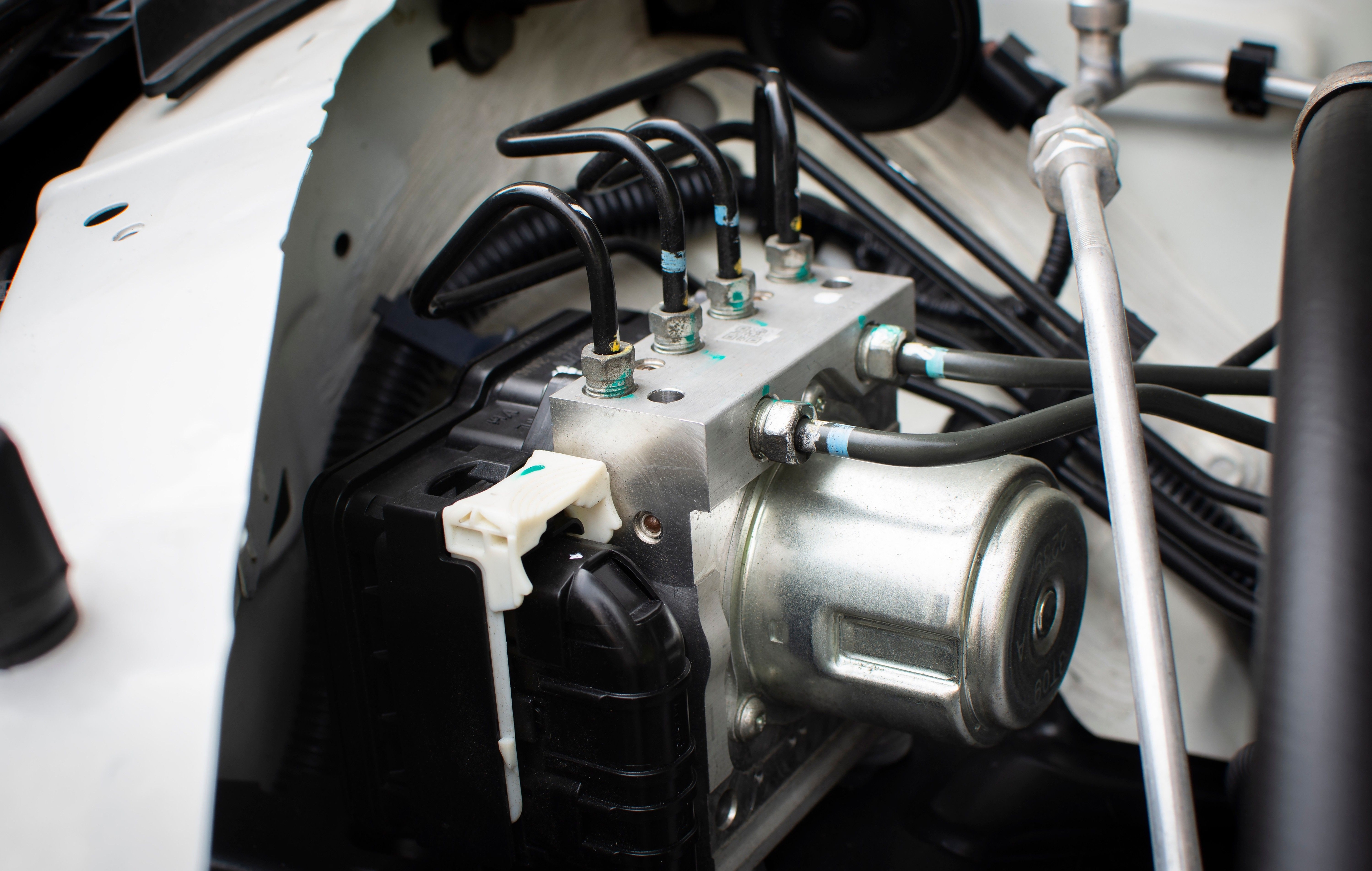
When we talk about vehicles, brakes are something we can never forget. Because no matter what else a vehicle has, if there are no brakes, we will face many problems. So, it's important to remember to repair the vehicle's brake system within the correct timeframe. Today, MotorGuide brings you a few things to consider if you are repairing the vehicle's ABS system, or Anti-lock Brake System.
What is Anti-lock Brake?
Anti-lock Brake, or ABS, is a safety anti-skid braking system installed in vehicles such as cars, buses, trucks, and motorcycles. It prevents the vehicle from locking up during emergency braking. This allows the vehicle to maintain tractive force between the road and the vehicle.
The main purpose of this Anti-lock Brake system is to prevent the car from skidding when the driver applies sharp brakes. When you apply hard brakes while driving at high speed, your car's wheels can lock up. This system protects you from such accidents.
Function of ABS
Anti-lock braking systems, between hydromechanical & non-electrical models, were actually introduced several years ago. These brakes are mechanically controlled to modulate the braking.
In contrast, electro-hydromechanical brake hydraulic systems are controlled by a computer.
Components of the Anti-lock braking system
1. Valves - These check the pressure in each brake line and help to relieve pressure when it is at a high level.
2. Controller - This is a computer that controls the valves and monitors speed sensors.
3. Speed sensors - Speed sensors help alert the system when a wheel is about to lock.
4. Pump - If the brake line has been released, the pump helps to increase the pressure again.
How are anti-lock brakes installed in a car?
In a car, ABS works with the braking system and helps maintain control in emergency situations, such as on slippery or wet roads. Also, when ABS is active, the ABS light on your vehicle will illuminate, informing you that there is a fault in your car that needs to be corrected. However, there can be various reasons for the ABS light to turn on. Let's look at what they are now.
Low Brake Fluid
Brake fluids are directly involved in controlling brake pressure in an ABS system. The Anti-lock braking system has a brake fluid reservoir that holds the fluid. In cases of leakage, fluid levels can drop, causing the ABS light to appear on the dashboard.
Speed Sensor Faults
Speed Sensors, located in the hub of each wheel, help calculate the speed of wheel movement and transmit this information to the ABS.
If the wheels are moving slowly or if there is any problem with the Speed Sensor, the ABS light will turn on.
So these are the things you need to know if you are repairing the vehicle's ABS system. Therefore, always remember to pay close attention to your vehicle's brake system in the future.

Written by
Nipuna Marasinghe