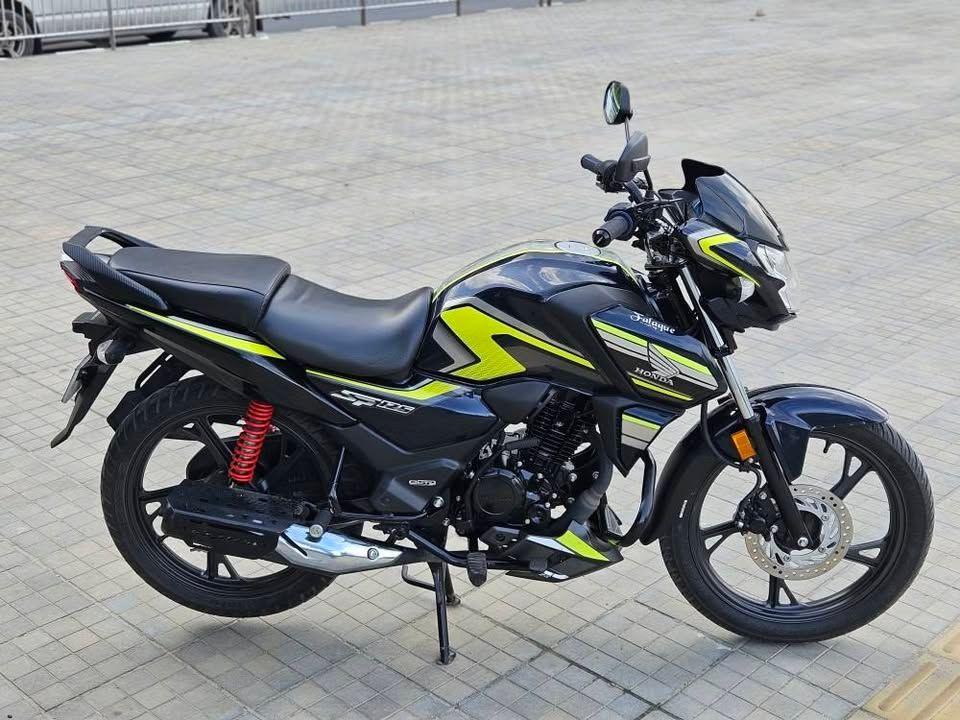
Filling up your motorcycle's fuel tank to its full capacity is a common practice among riders. It's a strategy that, depending on one's riding habits and needs, offers various advantages and some drawbacks. Understanding these can help you make informed d

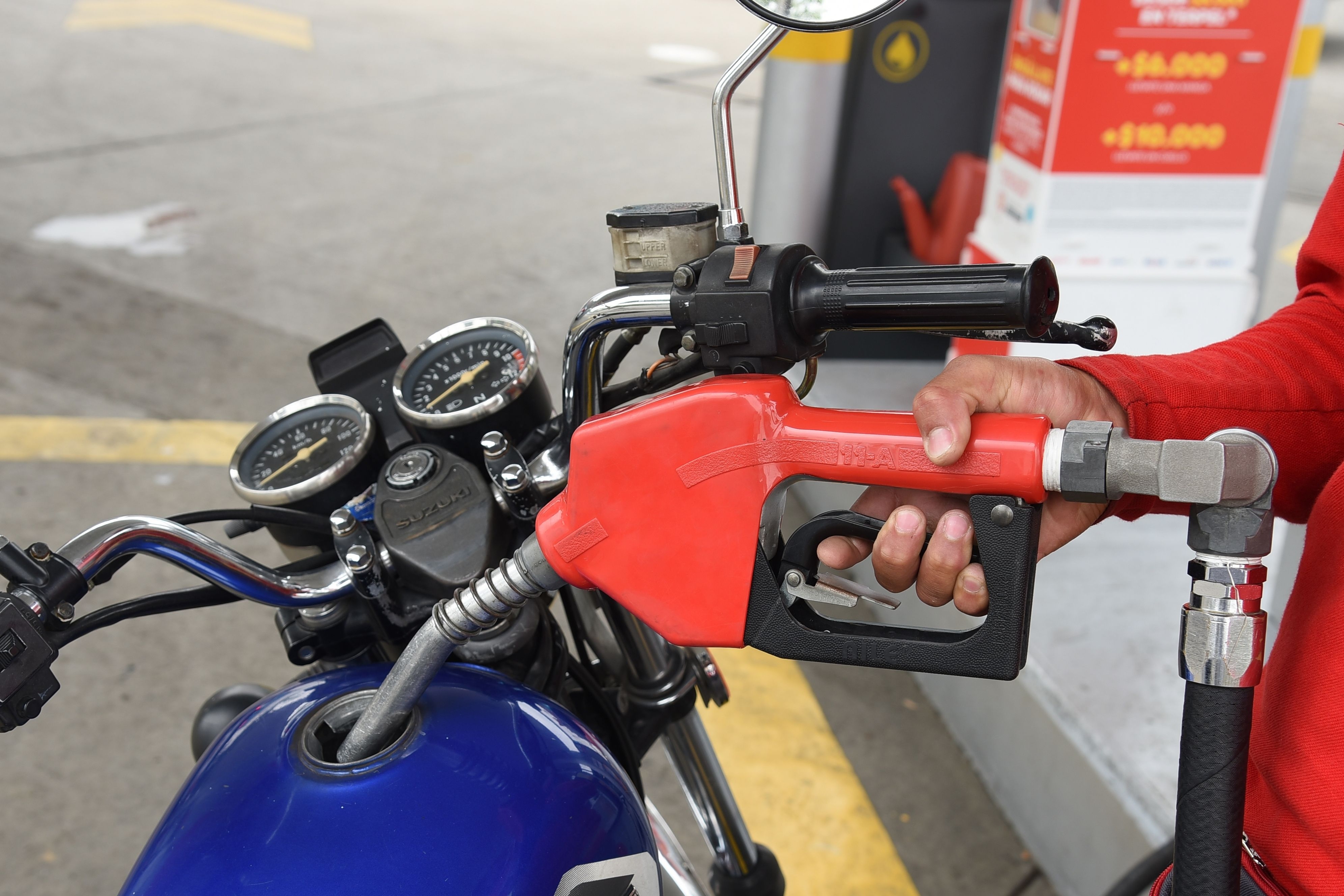
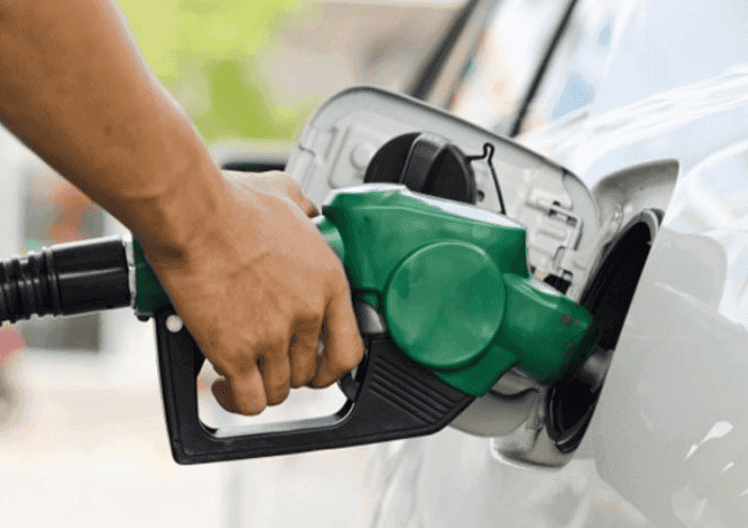
Filling up your motorcycle's fuel tank to its full capacity is a common practice among riders. It's a strategy that, depending on one's riding habits and needs, offers various advantages and some drawbacks. Understanding these can help you make informed decisions about how to manage your fuel stops and overall ride planning. Here are the key advantages and disadvantages of keeping your motorcycle's fuel tank topped up.
Advantages
Extended Range
The most obvious benefit is the increased range. A full tank allows for longer rides without the need to constantly look for fuel stations. This is particularly advantageous for touring riders or those traveling in areas where fuel stations are sparse.
Reduced Condensation
Keeping the tank full can help minimize the air space above the fuel, which in turn can reduce condensation within the tank. This is important because water in the fuel can lead to engine issues.
Weight Stability
For some riders, a full tank can help with the motorcycle's weight distribution and stability, especially on larger bikes designed to handle the extra weight of a full fuel load effectively.
Convenience: Filling up completely is simply more convenient for many riders. It means fewer stops during a trip, allowing for uninterrupted enjoyment of the ride and making it easier to manage time during long journeys.
Disadvantages
Increased Weight
The downside of a full tank is the added weight. Fuel is heavy, and a full tank can add significant weight to your motorcycle, which may affect handling and acceleration, particularly on smaller or lighter bikes.
Fuel Waste
For those who don't ride often, filling the tank to the brim can lead to fuel waste. Gasoline has a shelf life, and leaving it in the tank for extended periods without use can result in degradation of fuel quality.
Potential for Spillage
Overfilling the tank, especially in hot weather, can lead to fuel expansion and spillage. This not only wastes fuel but can also be a safety hazard, as gasoline is highly flammable.
Cost Implications
While filling up the tank doesn't necessarily cost more in terms of fuel efficiency, it does require a higher upfront cost at the pump. For riders on a tight budget, this can be a consideration.
Deciding whether to fill your motorcycle's fuel tank to full depends on a balance of these advantages and disadvantages, alongside your personal riding style and needs. For long-distance riders, the benefits of having a full tank often outweigh the negatives. However, for casual riders or those using their motorcycles for short daily commutes, it might be more practical to fill up only as needed. Regardless of your choice, always ensure to manage your fuel wisely to avoid being stranded or facing fuel-related engine issues.

Written by
Nipuna Marasinghe