Think about this before changing brake pads.

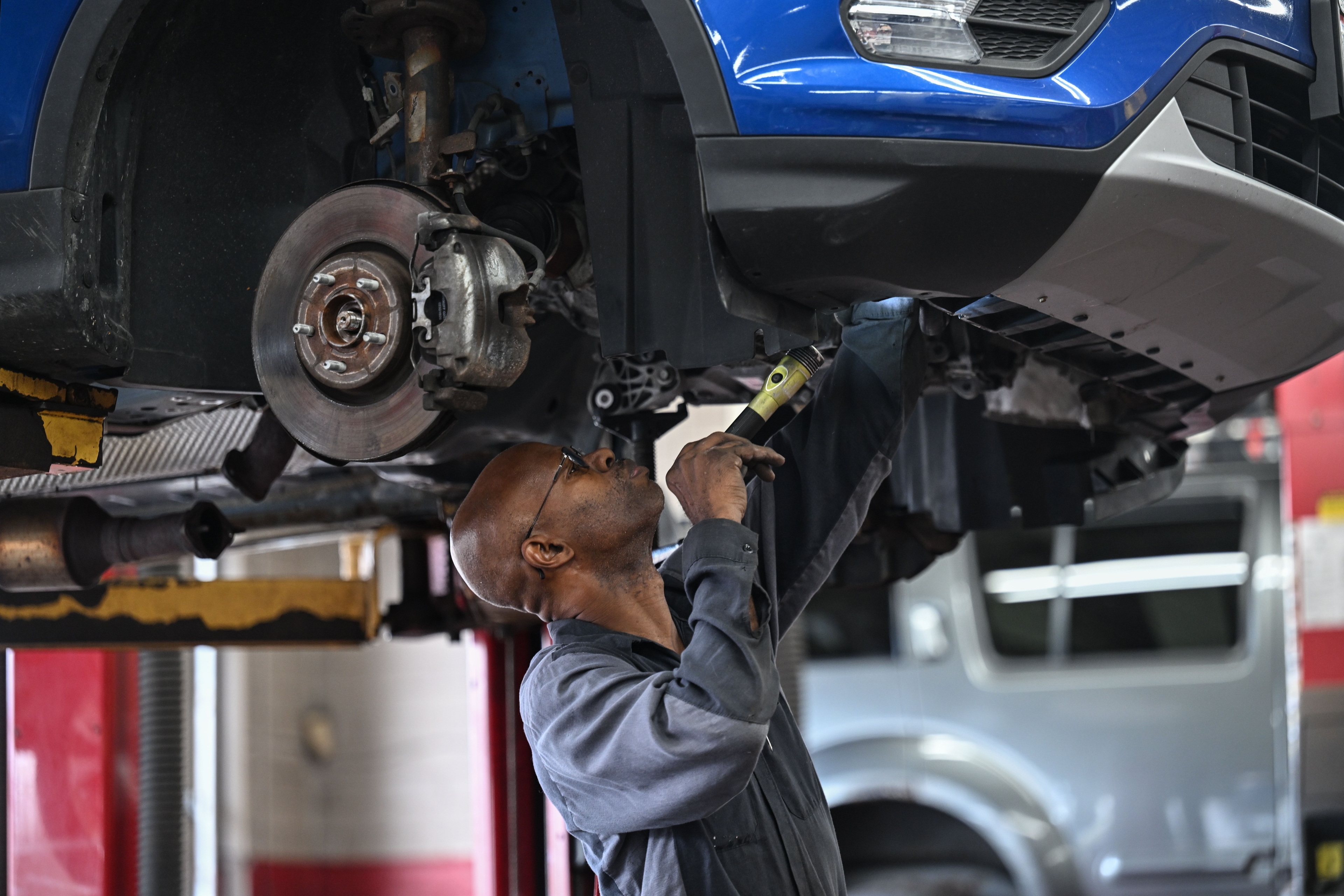
Did you consider these facts before changing your brake pads
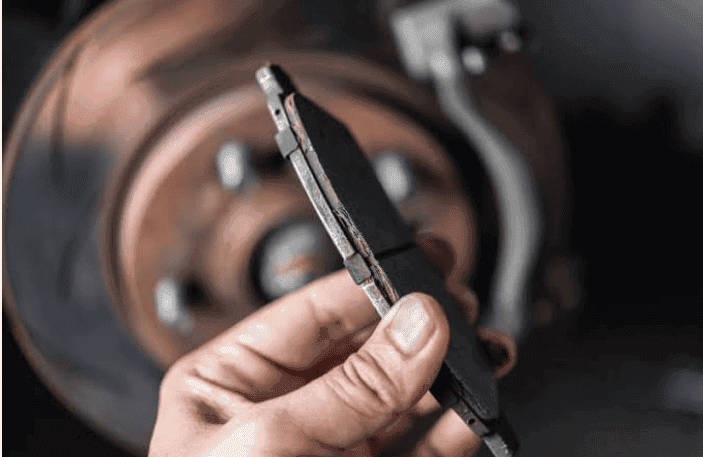
Your braking pads are part of an interconnected system which employs complex theory in simplified methodology. Rotors and brake pads work hand-in-hand in their functionality. This simplified physical output is no different than trying to stop a runaway tire with your bare hands. To take tire wear out of the equation, it uses a rotor that can work at higher temperatures with minimal wear, maximized workload, and consistency. Your brake pads grasp onto your brake rotors from either side, bringing it to a frictional stop. Over time, these brake pads are susceptible to wear, but before you grab your wrench, here are some things you should consider.
Right tools for the right job
Do you have the necessary tools to finish the job? Every petrol head has a secondary affection for their tools, but make sure you have the right selection and make your choice based on function rather than brand or size. Commonly, you're going to need a jack, jack stands, a lug wrench, a C-clamp, brake cleaner, wrenches, sockets, and if you want to really speed things along, then an impact wrench.
What do you really replace?
Keep an eye on the condition of your components. You're obviously this deep because you need to switch out your brake pads, but what about other components such as your clips and shims that might need a touch-up, sometimes even more than your brake pads?
Safety first in all scenarios
Your car probably weighs around an imperial ton or two, which is far more than what the average human lifts in the gym. So when you're getting under there, make sure to check your jack and jack stands twice or thrice, because it's not a waste of time unless you're planning to become a permanent addition to the undercarriage of your car.
Can manuals actually be helpful?
You might need to dig through your trash to find the manual you threw away because "you know your way around a set of wheels." That's what's going to have all the information you need on what braking system your car has and the model numbers of components so you can source them.
Check once, check twice, check rotors
Assess the condition of your rotors during the process. Check for any chips or damages that could be bad news, or signs of debris, perhaps from last week's drive across a flooded road.
Brake fluid check
Brake fluid is the third musketeer to your rotors and pads, as that's what flows through your brake lines. Check your master cylinder reservoir before a ride to make sure your brake fluid levels are on par with the markers listed with small paint increments.
Maintain the calipers
Check the strength of your calipers and ensure the pistons are functioning correctly, as this is the surprise fourth musketeer. If any damage is visible, then get some experienced help to get you back on track.
Bleeding, the brake kind
After installing a fresh set of brake pads, your next step should be to bleed your brakes. This is compulsory by many standards, as it will ensure that your system is clean and free of contaminants like air, which could lead to soft brakes at the wrong time.
The test before the rest
After your task is done, make sure you test out your brakes and see how they react. Test the braking force required at different force margins to see if they are at an optimal level before you take it out on the road.
Remember, DIY is great and all, but your brakes are pretty important. So, if you're persistent, get a professional to check or help with your work after you're done. This has been your dummy guide to brake pads and a small introduction to braking systems. Share it amongst those who need to learn a thing or two about coming to a stop or using the brakes.

Written by
Nipuna Marasinghe