What is Adaptive Cruise Control?

You have probably heard of standard Cruise Control, right? It allows you to give the vehicle a specific speed (for example, 80 km/h), and the vehicle maintains that speed continuously without you having to press the accelerator. However, there is a small problem with this: if the vehicle in front slows down, you have to brake and disengage the system. Adaptive Cruise Control (ACC) was designed to overcome this shortcoming.
The word "Adaptive" here means "adjusting" or "fitting." This means it is an intelligent system that automatically controls your vehicle's speed to match the speed of the vehicle traveling in front of you.
How Does Adaptive Cruise Control Work?
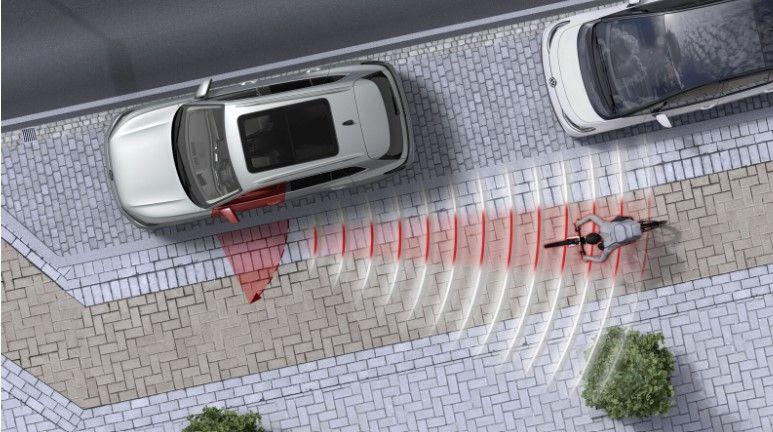
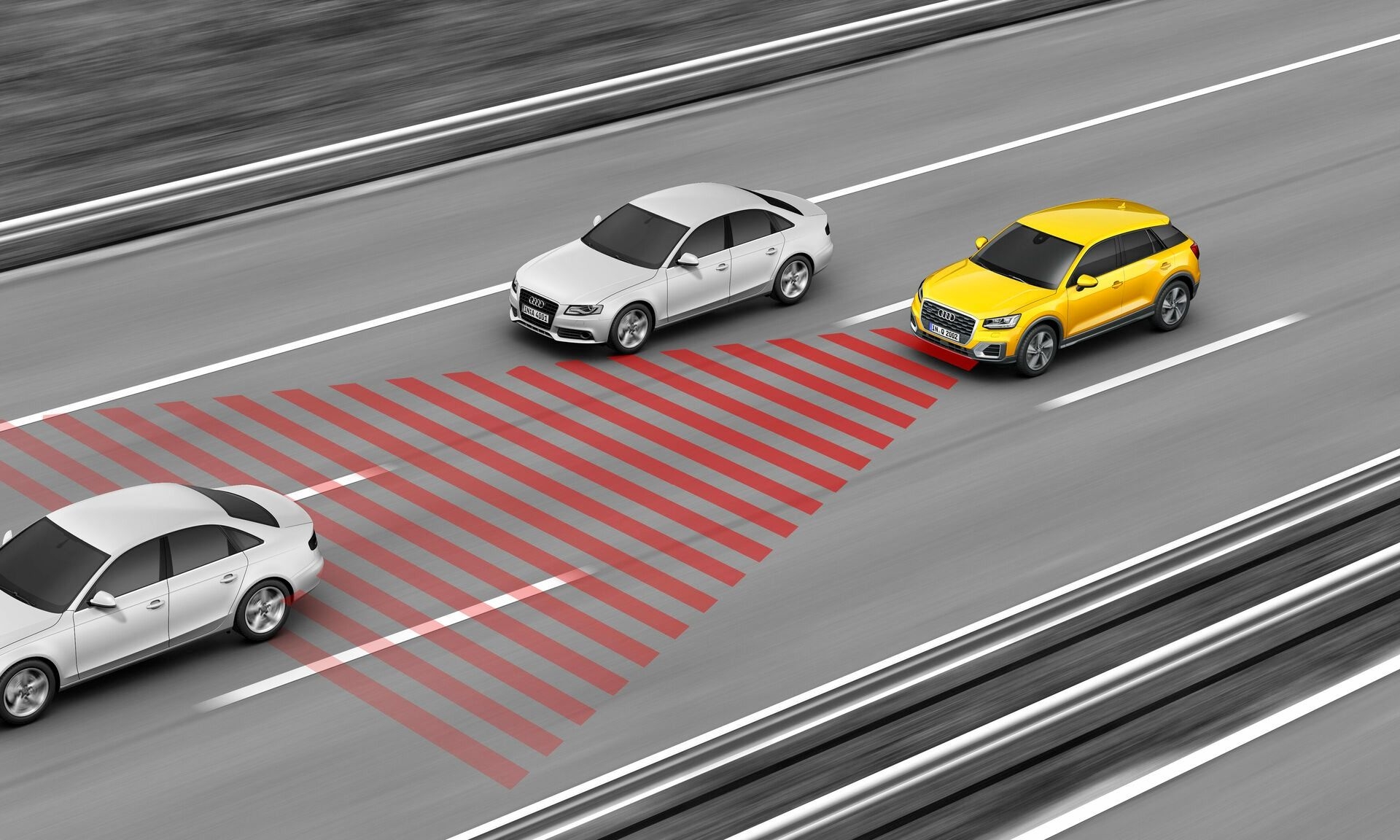
This system operates via a Radar or camera system mounted on the front of the vehicle (often behind the brand logo or at the top of the windshield).
This radar measures the distance between the vehicle ahead and your vehicle second by second. When you activate the system, you get the opportunity to control the vehicle's speed as well as select the Gap (distance) that should be maintained between the vehicle ahead and yours.
The Service Performed by ACC
If the vehicle in front slows down while you are driving, the ACC system immediately identifies it and reduces your vehicle's accelerator or applies the brakes if necessary to reduce speed. Through this, it constantly maintains the gap you selected.
If the vehicle in front speeds up again or moves out of your lane, the ACC system automatically accelerates your vehicle back to the maximum speed you previously set. Therefore, you do not need to constantly switch between pressing the accelerator and the brake.
The "Stop & Go" Feature
Some highly advanced ACC systems feature "Stop & Go." This is extremely valuable during heavy city traffic. If the vehicle in front comes to a complete halt, the ACC system can bring your vehicle to a complete stop as well. When the vehicle in front starts moving again, you can make your vehicle move forward again with a slight tap on the accelerator or by pressing a button.
Advantages and Things to Consider
Advantages:
- It significantly reduces driver fatigue on long journeys.
- It minimizes the risk of rear-end collisions caused by inattention.
Things to Consider:
Remember, ACC is not a "Self-driving" system. It is only a Driver Assist system.
- In heavy rain or fog, the radar may not be able to receive data properly.
- Also, if another vehicle suddenly cuts into your lane, it is important that you remain alert at all times rather than waiting for the system to respond.
In summary, Adaptive Cruise Control is a wonderful invention of modern technology that makes your journey more comfortable and safer.

Written by
Nisaga Sandaru
A versatile and highly experienced professional, currently an Automobile undergraduate at the University of Jaffna, with strong technical expertise grounded in hands-on work as a technician with SriLankan Airlines Ground Support Equipment (GSE). Holding an Automobile NVQ Level 3 qualification, along with specialized certifications in Vehicle ECU Programming and Diagnosis, and extensive experience in arc welding and vehicle body painting, and well equipped to handle complex automotive, diagnostic, and fabrication-related tasks with a high level of competence.