What is the Bypass Valve in an Engine Oil System?

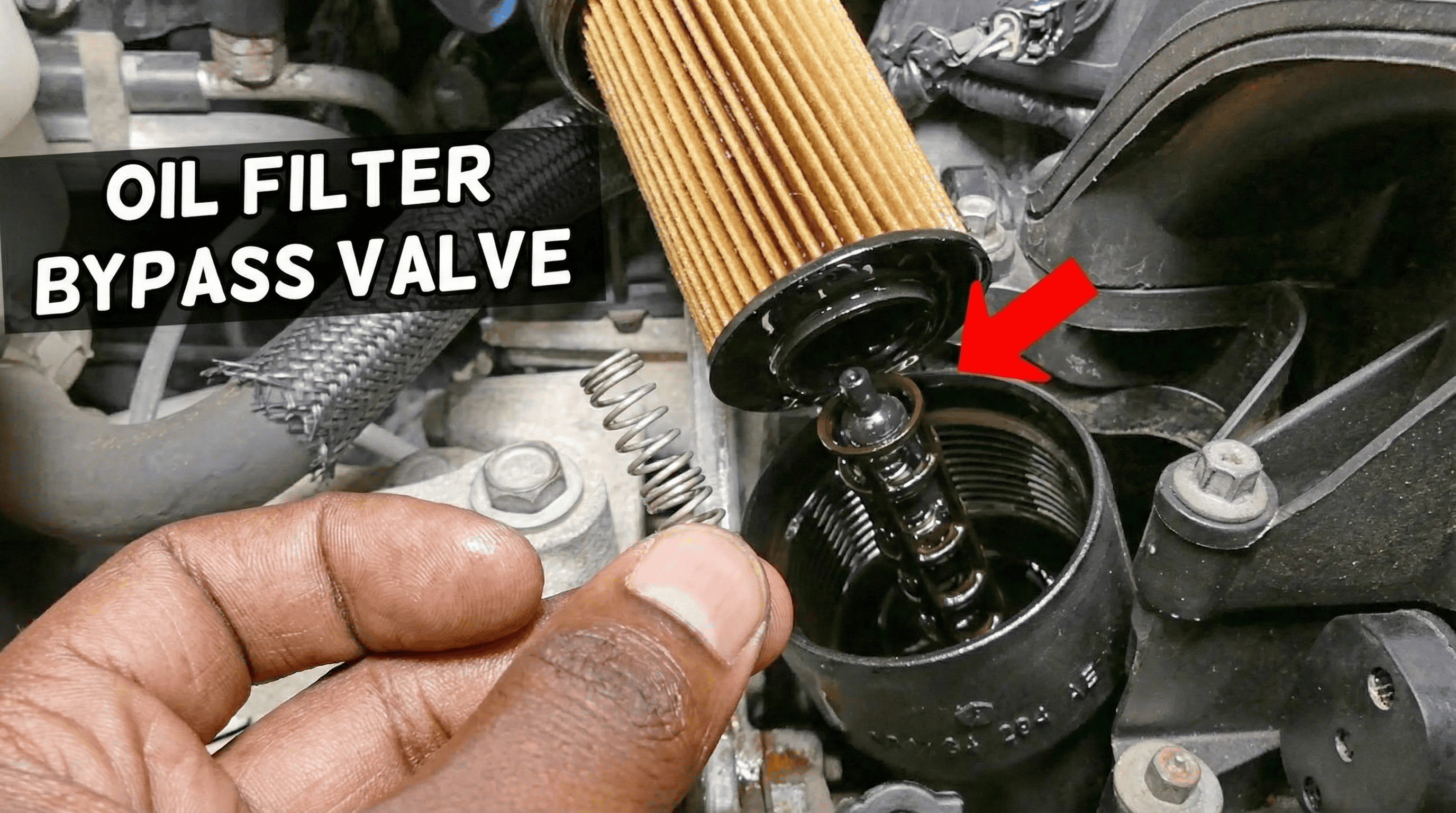
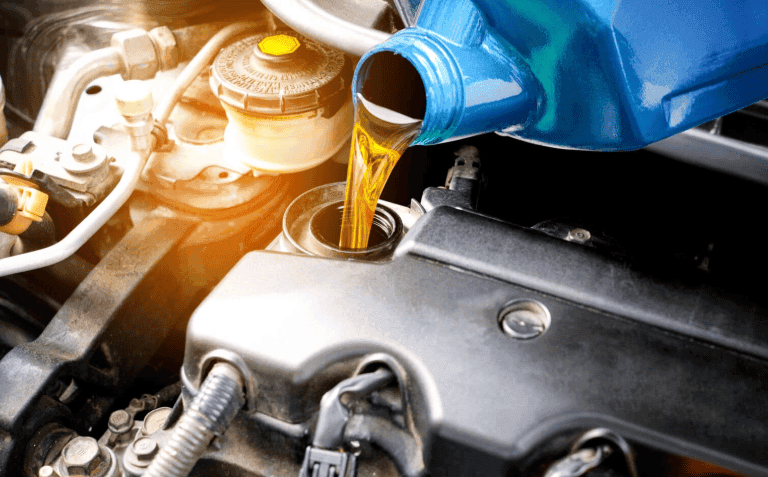
You may have heard of the "Bypass Valve" in the engine oil system. It is a crucial component essential for engine protection. Simply put, this Bypass Valve acts as a "**Safety Net**" preventing the engine from ever being starved of lubrication. It is usually installed either inside the oil filter itself or within the oil filter housing.
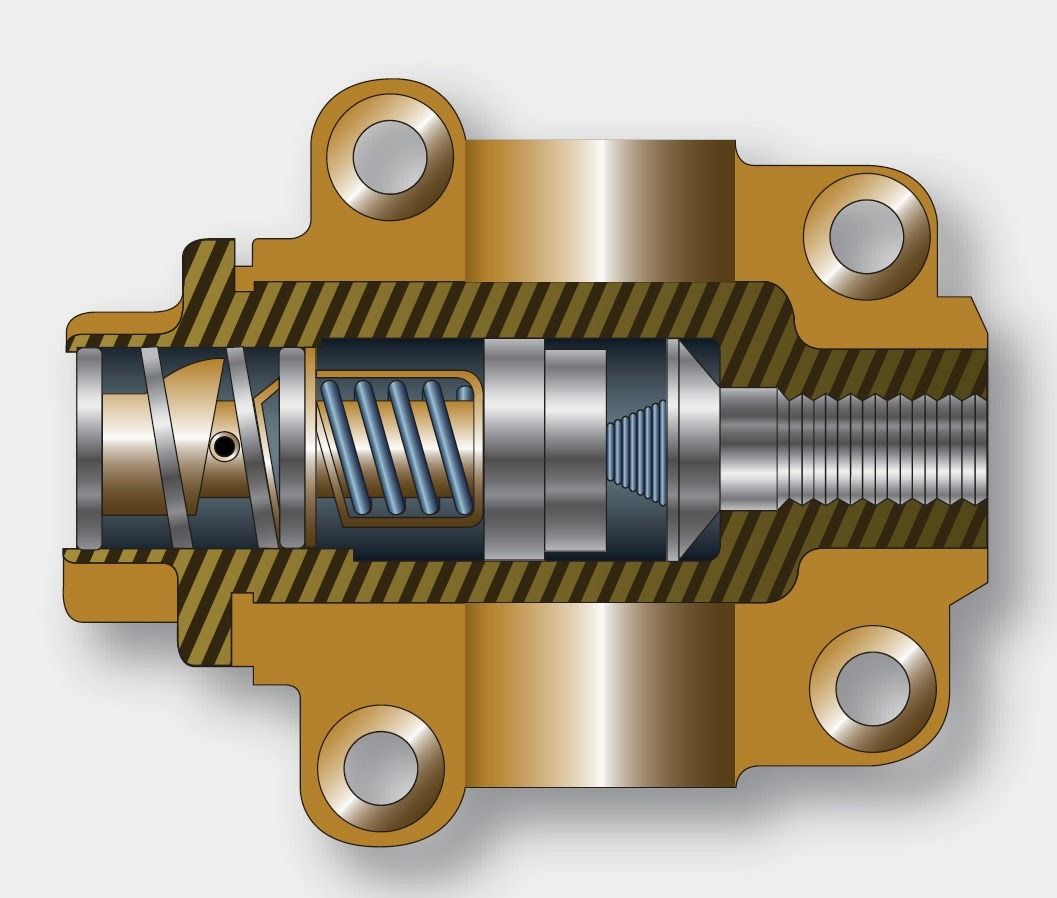
What is the Primary Function of the Bypass Valve?
When the engine runs, the oil pump draws oil from the sump and sends it into the oil filter for cleaning. Under normal conditions, the oil passes through the filter media, contaminants are removed, and the clean oil returns to the engine. However, if for any reason the oil cannot flow properly through the filter, the main function of the Bypass Valve is to prevent **Oil Starvation**—the complete stoppage of oil flow.
Conditions Under Which the Bypass Valve Activates
- Filter Clogging: The bypass valve activates when the oil filter media is completely obstructed due to long periods without oil changes or the accumulation of excessive contaminants.
- Thick Oil: It also activates when the engine oil is thick due to **cold temperatures**, preventing it from flowing through the filter at the required speed.
How the Bypass Valve Works
This valve is designed to operate based on a **Preset Pressure Threshold**. When the oil filter is blocked, as mentioned above, the oil pump continues to push oil, causing the pressure inside the filter housing to rise instantly. When this pressure exceeds the specified limit set for the Bypass Valve (e.g., 8 - 15 psi), the valve opens automatically. Once the valve opens, the oil bypasses the filter media and flows directly to the engine's lubrication channels.
While supplying unfiltered oil is not ideal, receiving dirty oil is a better temporary solution than receiving no oil at all, preventing immediate engine damage. This valve prevents **Oil Starvation**, stopping engine parts from rubbing against each other and causing catastrophic failure.
Preventing Filter Burst: If a Bypass Valve were absent or failed to open properly, the force of the oil pump could cause excessive pressure inside the filter, potentially leading to the oil filter bursting. Therefore, the Bypass Valve can be considered a **Pressure Relief Valve** that prevents immediate disaster in an engine, ensuring lubrication even when the oil filter is blocked. If it activates, it means you should change the oil filter immediately.

Location of the Bypass Valve
The location of the Bypass Valve can vary from engine to engine. Often, it is a small, spring-loaded valve installed at the end of a **Disposable Spin-On** type oil filter itself. In this case, you get a new Bypass Valve every time you install a new filter. In some modern vehicles (especially those using **Cartridge** type filters), the Bypass Valve is permanently installed within the oil filter Housing, which is attached to the engine block. In this scenario, the Bypass Valve is not replaced when the filter element is changed.
Bypass Valve Pressure Setting (PSI)
The operation of the Bypass Valve depends on the **Cracking Pressure** setting. This value typically ranges from 8 to 15 pounds per square inch (psi). Each engine manufacturer determines this pressure value according to their engine's requirements. If the Bypass Valve in a filter or system is set to the wrong pressure value, it may open unnecessarily (allowing unfiltered oil to pass directly) or fail to open when required, causing the filter to burst or leading to oil starvation.
The Downside of the Bypass Valve
Although this valve is a safety mechanism, its activation has a negative impact on the engine.
When the Bypass Valve opens, all contaminants, metal shavings, and carbon particles trapped in the oil filter flow directly to the engine components (e.g., bearings, camshafts) without being filtered. The flow of dirty oil increases friction between engine parts, which can lead to **Premature Wear** and damage.
Difference from the Anti-Drain Back Valve (ADBV)
There is another valve similar to but with a completely different function than the Bypass Valve. The **ADBV** is a **One-Way Valve** typically made of rubber (Nitrile) or silicone, located within the oil filter or filter housing. The main purpose of this valve is to prevent the clean oil pumped into the oil filter from flowing back into the **Oil Sump** when you turn off the engine.
The ADBV operates to minimize damage that occurs during engine **Startup**. When the engine is switched off, the oil pump stops, and the pressure in the system drops. At this point, gravity attempts to draw the oil in the filter back towards the sump. The ADBV immediately closes, retaining oil within the filter and associated main lubrication channels.
When you restart the engine (especially during a cold start in the morning), oil must be present in the filter to instantly supply lubrication to the engine components. Since the filter is not empty due to the ADBV, the oil pressure is built up very quickly, and oil instantly flows to the engine as soon as the oil pump starts operating.
Damage Caused if ADBV is Absent
Dry Start: If the ADBV were absent, the filter would drain empty when the engine is turned off. Upon restarting the engine, the oil pump would take a short time (a few seconds) to refill the filter and channels with oil. During these few seconds, sensitive engine parts (e.g., camshafts, tappets) are subjected to friction without oil lubrication, leading to **Premature Wear** and a reduction in engine lifespan. This condition is referred to as "Dry Start" damage.
The Difference
- Bypass Valve: Ensures forward flow when the filter is blocked, preventing immediate damage (Safety bypass).
- ADBV: Prevents backward flow when the engine is shut off, preventing subsequent dry start damage.
From these points, you can understand the importance of these valves. The Bypass Valve is a mechanism that responds to pressure to prevent immediate engine damage—it is a critical **Fail-Safe** in the engine oil system.

Written by
Nisaga Sandaru
A versatile and highly experienced professional, currently an Automobile undergraduate at the University of Jaffna, with strong technical expertise grounded in hands-on work as a technician with SriLankan Airlines Ground Support Equipment (GSE). Holding an Automobile NVQ Level 3 qualification, along with specialized certifications in Vehicle ECU Programming and Diagnosis, and extensive experience in arc welding and vehicle body painting, and well equipped to handle complex automotive, diagnostic, and fabrication-related tasks with a high level of competence.