ATF: Essential for Automatic Gear Vehicles

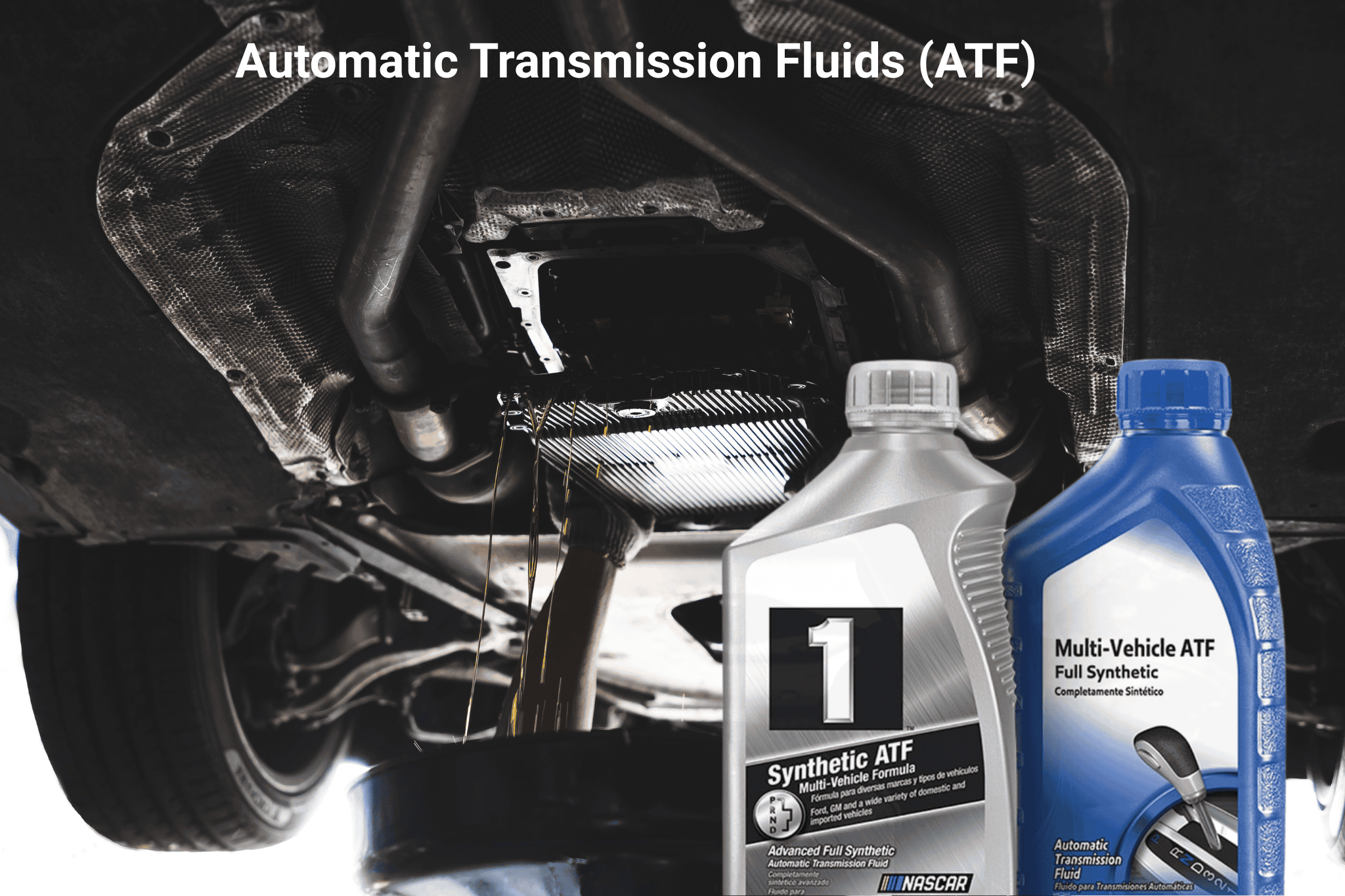
In your Automatic Gear vehicle, the ATF (Automatic Transmission Fluid) is a component as important as engine oil—and perhaps even more complex and critical. To clarify further, ATF is the short name for Automatic Transmission Fluid.
Just like engine oil for the engine, ATF acts as the lifeblood of the automatic gearbox. This fluid has three main functions:
First, it reduces friction and lubricates all parts within the gearbox.
Second, it cools the system and prevents overheating.
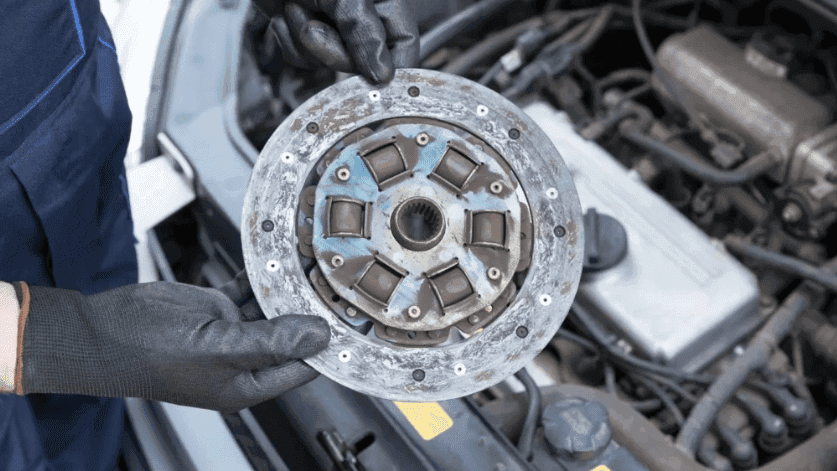
Most importantly, this fluid provides hydraulic power, activating the clutches and valves to ensure your vehicle shifts gears correctly and smoothly.
Therefore, ATF is not just a simple type of oil; it is an engineered fluid that performs multiple functions to keep your transmission operating smoothly, efficiently, and safely. There are also very important things you should not do regarding ATF to ensure the transmission system functions correctly.
Ignoring the ATF Oil Change Interval
Some people neglect the ATF Oil change interval. Ensure that ATF Oil is changed at the time or mileage recommended by the manufacturer (e.g., every 60,000 km). Although some modern vehicle manufacturers may state "Lifetime Fluid," under severe driving conditions (such as frequent traffic congestion in Sri Lanka, driving on hilly roads, and high temperatures), the oil quickly becomes contaminated. Old and dirty ATF Oil loses its ability to properly lubricate, cool, and control clutch pressure (Hydraulic Pressure). This can lead to **Hard Shifts**, **Slipping** during gear changes, and ultimately, a **Total Transmission Failure**.
Using the Wrong Type of ATF Oil
Do not use any type of ATF that is not specifically recommended by your vehicle's manufacturer. ATF is not a single type of oil; it comes in various standards such as Dexron, Mercon, Type T-IV, SP-III, SP-IV, **CVT Fluid (CVTF)**, and **DCT Fluid (DCTF)**. Normal ATF cannot be used for CVT (Continuously Variable Transmission) and DCT (Dual Clutch Transmission) systems. Using the wrong oil can alter the friction level of the clutches, leading to erratic gear shifting. It can also cause damage to seals and gaskets. Always check your vehicle's **Owner's Manual** and only use the recommended correct standard (Specification) and approved type of oil.
Ignoring or Incorrectly Checking the ATF Level
Do not neglect to check the ATF level regularly. A low ATF level leads to overheating because the transmission components are not properly cooled, causing gear shifting problems. A high ATF level can cause air bubbles (Aeration/Foaming) in the transmission, which damages hydraulic pressure and results in incorrect gear shifting. For most automatic vehicles, the ATF level should be checked with the engine running and the transmission warm (at normal operating temperature). You can find the correct procedure in your vehicle's manual.
The Difference Between 'Flushing' and 'Drain & Fill'
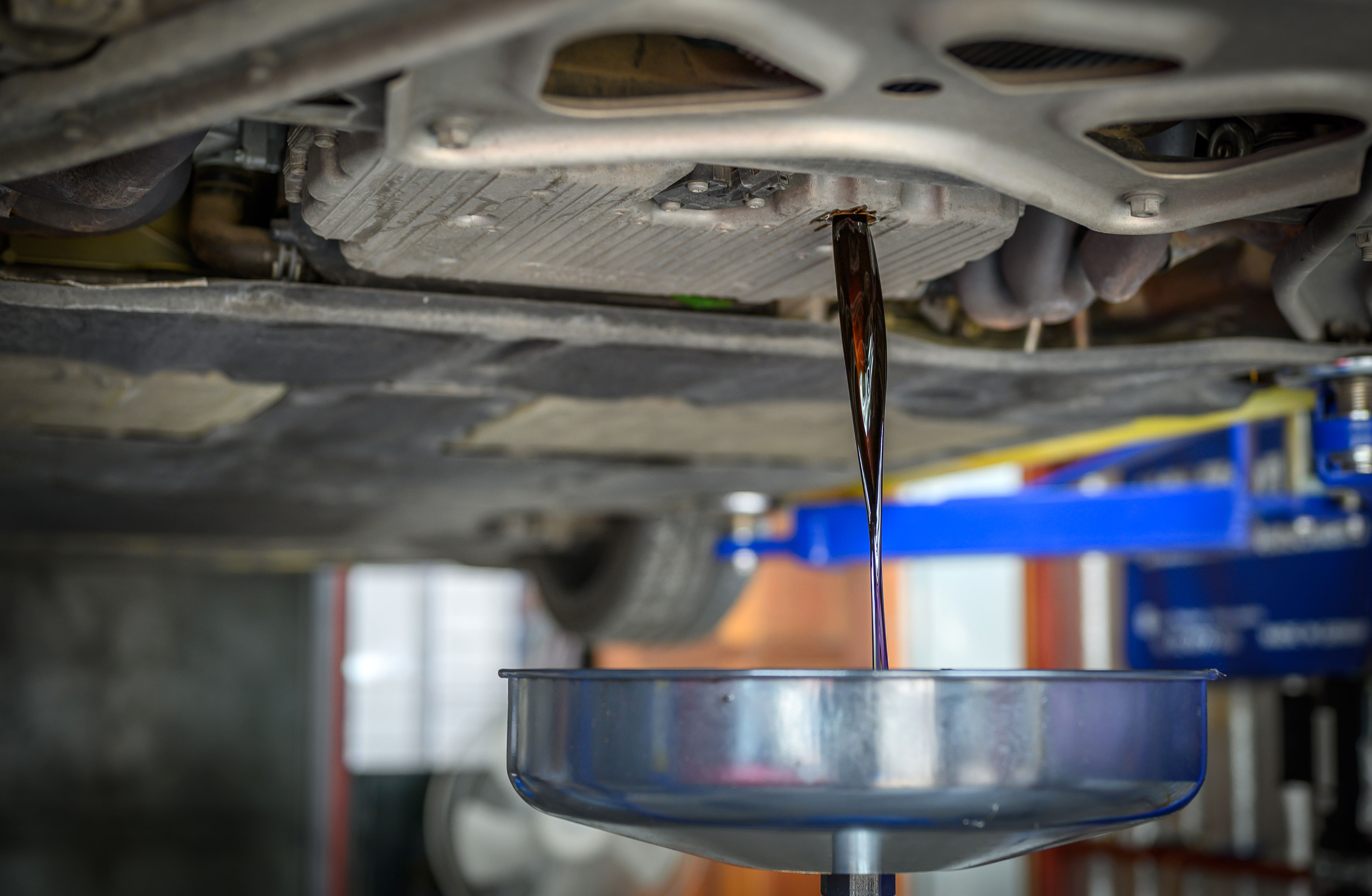
It is very important to understand the difference between 'Flushing' and 'Drain & Fill'. Avoid forcefully 'Flushing' the transmission system, which may be unsuitable for older vehicles. **Drain & Fill** means removing a portion of the old oil (usually between 40%-60%) from the Pan and adding new oil. **Flushing** means completely removing all the oil from the entire system (including the Torque Converter) under pressure using a special machine.
When flushing a severely contaminated transmission system that has not had its oil changed for a long time, the deposited debris (**Sludge**) can break loose and clog vital valves (**Valve Body**), which can immediately lead to transmission failure. For an older vehicle, performing multiple **Drain & Fill** cycles is safer.
Checking ATF Colour and Smell
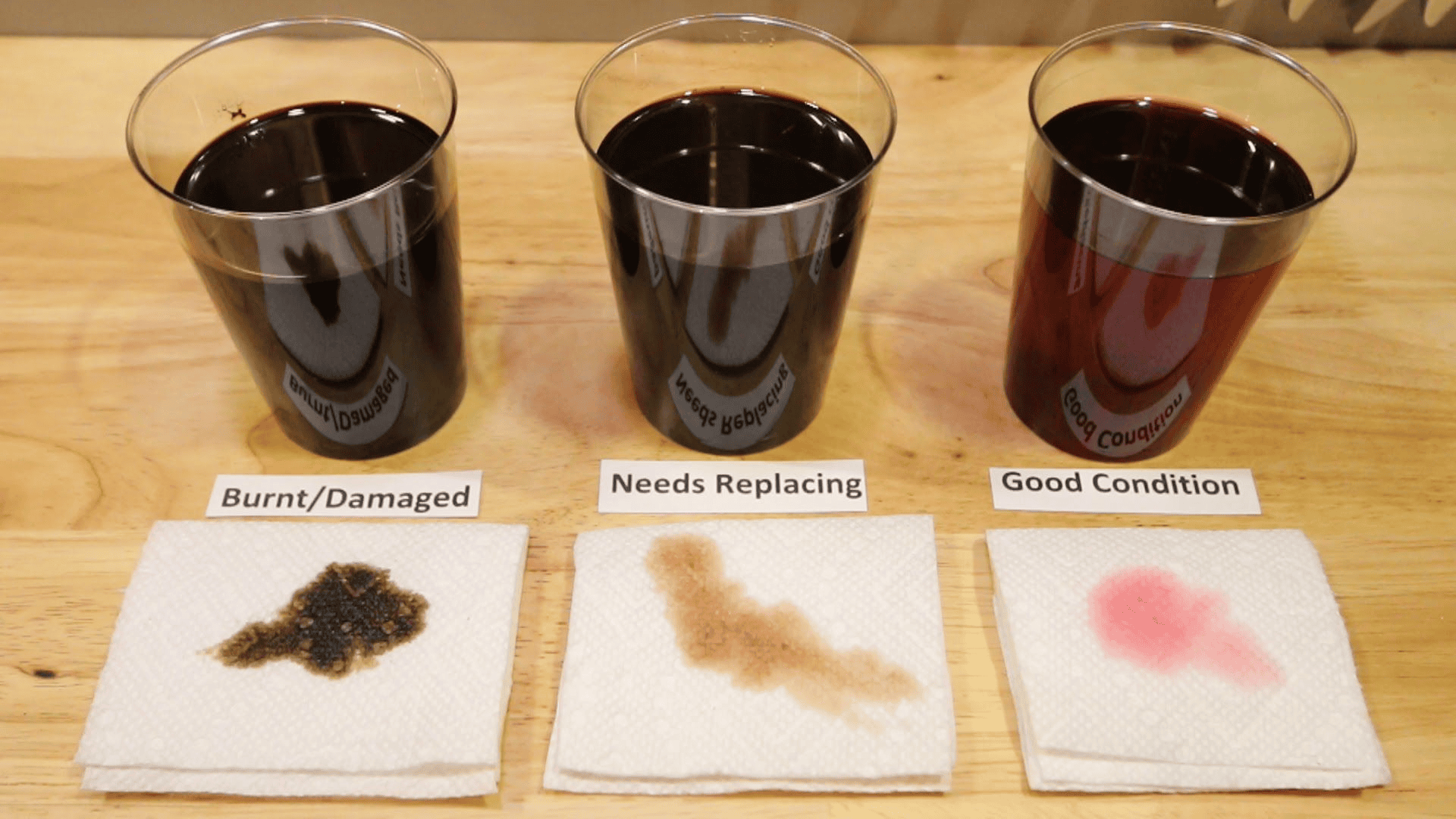
When checking the ATF level, it is very important to pay attention to the oil's colour and smell. Normal ATF Oil is often pink or red. Dirty ATF Oil turns brown or dark black over time; this is a sign that it is time to change the oil. Also, if the ATF Oil has a strong **burnt smell**, it is often a sign of transmission overheating or the accumulation of clutch friction material. You should immediately consult a specialist.
Similarly, if the ATF Oil is milky or bubbly, it is a sign that water or coolant has mixed into the ATF Oil. This can be due to a problem with the Heat Exchanger or seals and can cause immediate damage to the transmission system.
The Importance of Seals and Gaskets
ATF is contained by seals and gaskets. Any ATF leak is very dangerous for the transmission system.
If you notice a leak from the **Pan Gasket**, the seals around the **Axle Shafts**, or the **Torque Converter Seal** at the front of the transmission, do not ignore it. Even a small leak can dangerously lower the oil level, quickly damaging the transmission system.
The True Meaning of 'Lifetime Fluid'
As you mentioned, some manufacturers state 'Lifetime Fluid'. This often means that, under their standardized driving conditions, the fluid will remain in good condition throughout the main **Warranty Period** of the transmission system.
Under conditions like heavy traffic, high temperatures, or towing, any oil will become contaminated. 'Lifetime' may not mean the vehicle's entire lifespan, but a specific period (e.g., 150,000 km). Therefore, regular checks and following the manufacturer's recommended service schedule (especially the 'Severe Service' section) is always the safest approach.
ATF Temperature and Performance
ATF temperature directly affects the durability of the transmission system. It is believed that for every 10°C increase in temperature, the lifespan of the ATF is approximately halved. Excessive heat rapidly breaks down the additives in the oil.
In most automatic vehicles, a small **Cooler** within the Radiator is used to cool the transmission system. It is very important to check that this system is functioning correctly.
By using the correct type of ATF oil at the scheduled time and regularly checking its level, colour, and smell, you can significantly extend the lifespan of your automatic gear vehicle's transmission system.

Written by
Nisaga Sandaru
A versatile and highly experienced professional, currently an Automobile undergraduate at the University of Jaffna, with strong technical expertise grounded in hands-on work as a technician with SriLankan Airlines Ground Support Equipment (GSE). Holding an Automobile NVQ Level 3 qualification, along with specialized certifications in Vehicle ECU Programming and Diagnosis, and extensive experience in arc welding and vehicle body painting, and well equipped to handle complex automotive, diagnostic, and fabrication-related tasks with a high level of competence.