Let's learn how to drive a first car.

Did you go through the rite of passage as an 18-year-old, or perhaps even as a middle-aged citizen who didn't find the time to get your hands on the license "paper"? Since license holders have been deprived of their cards for years and have been burdened with carrying an A4 piece of paper, only to realize a copy of it is only valid depending on the emotional status of the police officer who shines a light on you. Did you receive the highest honors in this passage, discovering a third pedal, a stick shift, and a sense of superiority over automatic-only license holders? If you don't already know, Carsguide will be your backseat driver today, covering a few benchmarks with the luxury of every middle-class Sri Lankan, The Alto.
The Ever So Important Seat Adjustment
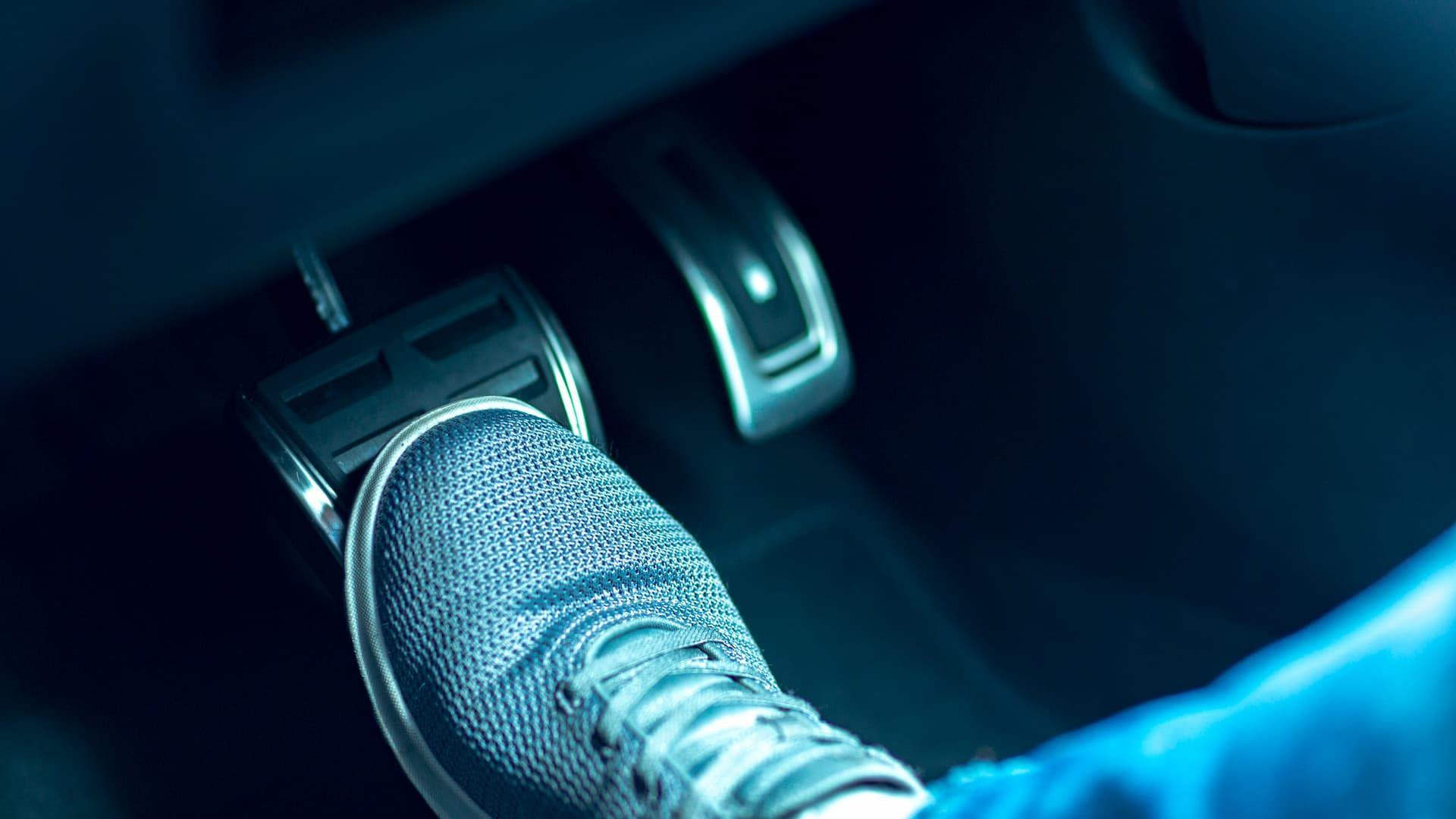
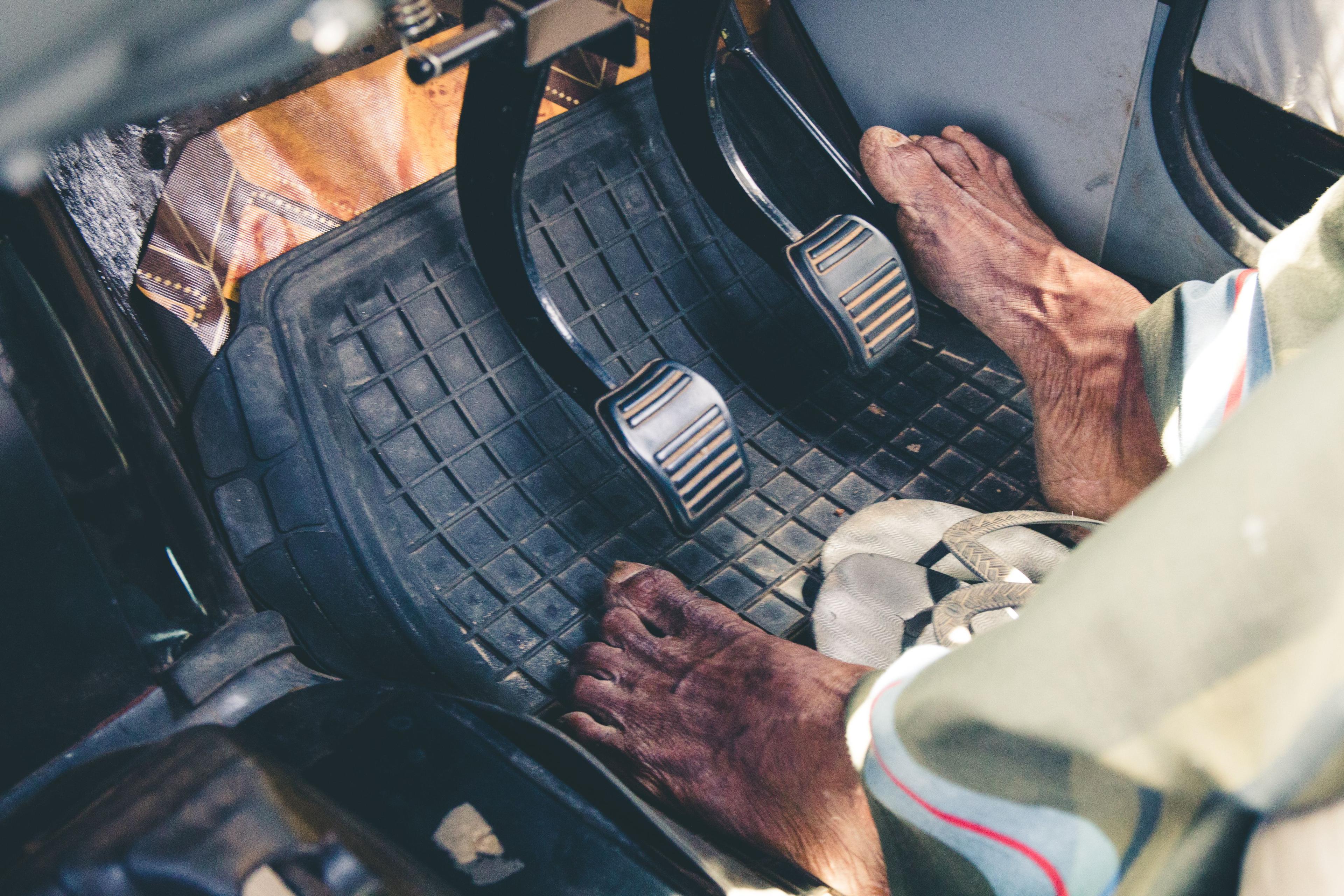
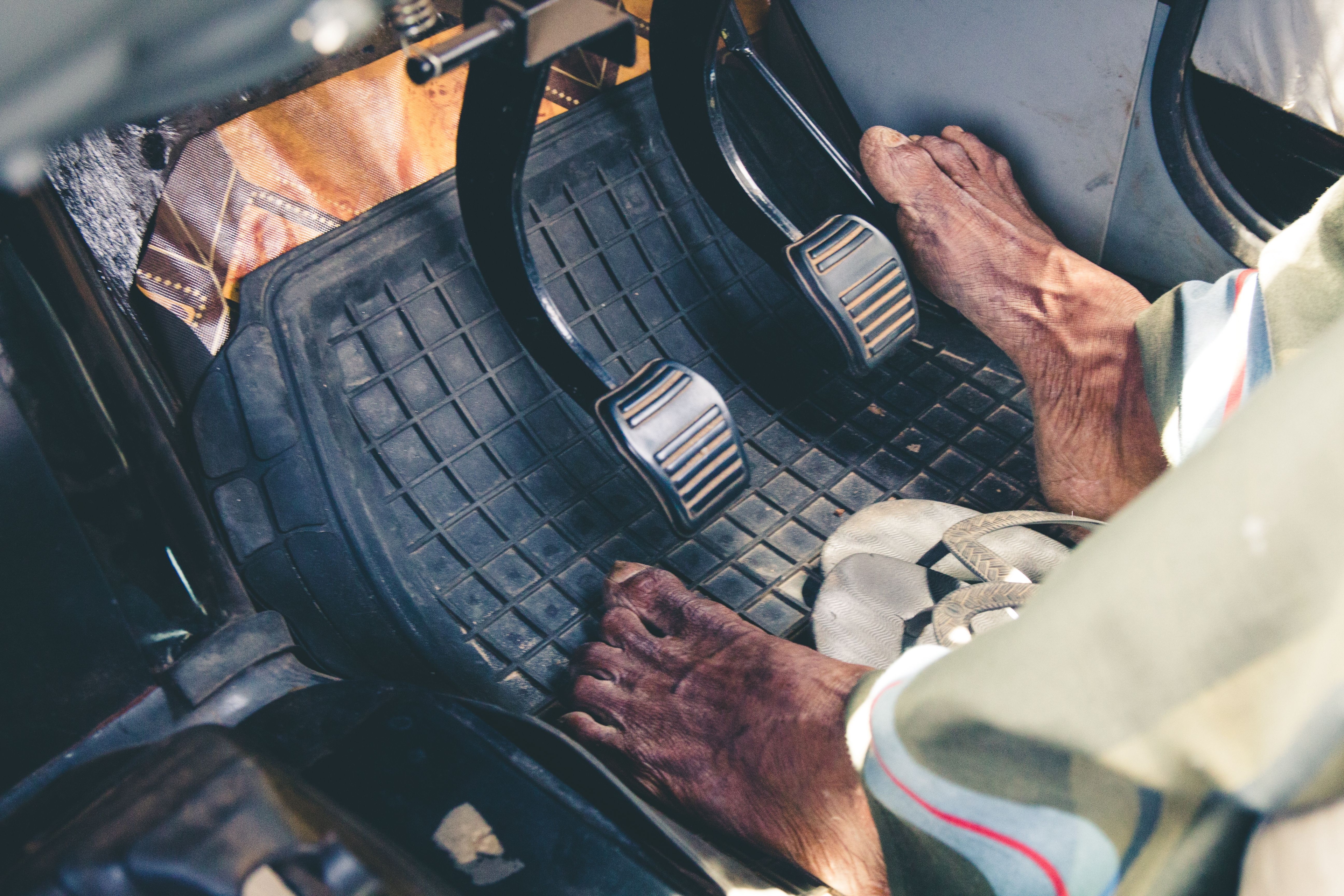
Before you start driving around town in your brand new luxury Alto, pay attention to how you sit, because you don't want to press the pedal to the metal with your feet not quite reaching the pedals as much as you thought. Find a comfortable position where your right foot can pivot between the accelerator and the brake, while your left foot is confident in pushing the clutch pedal all the way down. Adjust your seat height and distance depending on your height and reach for optimal view. Don't get too close to the steering column; move back and adjust to ensure long-term comfort.
The middle-class hero, the 'Alto,' is a novice-friendly and great starting point for anyone new to stick shift, clearly evidenced by its use in nearly all driver learning institutes across the island. There is a clear distinction of space between the clutch, brake, and accelerator for easy use, almost accommodating the driver's skill level.
The Fearful Clutch Balance
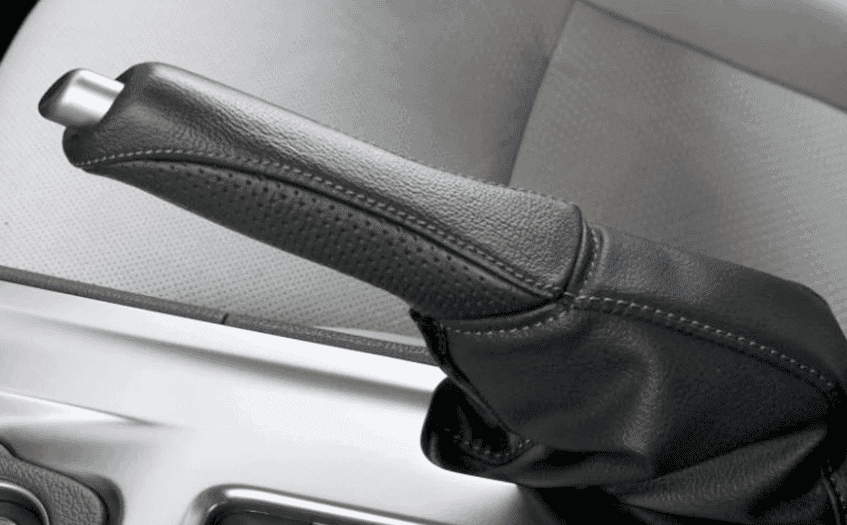
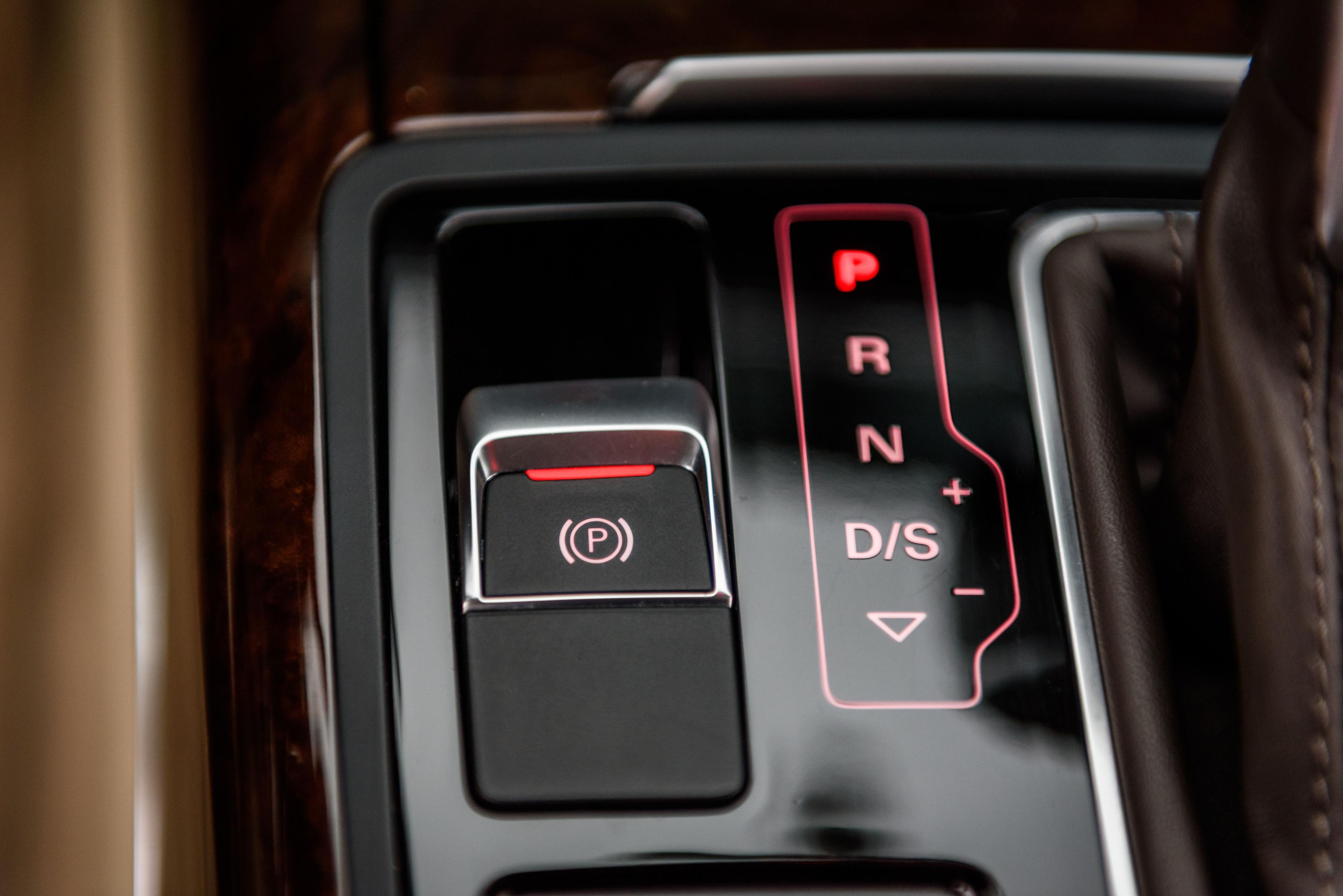
Now you're all prepped up with the seat belt on, ready to go, but with no idea how to start. Make sure the handbrake is on as you press the clutch with your left foot all the way down, ensuring it reaches the floor, and take your stance on the gear shift. Notice the shifting pattern embossed on it, which moves in a typewriter format, ranging up and down and left to right. In between all those along the central spine of that pattern, you'll find yourself in neutral. Notice that it is considerably free-moving from left to right, and feel free to do a customary shake left to right before you start your engine. Turn the key, and you're already halfway there.
You've started your car and are now waiting on an empty road. Place your left foot on the clutch and press the pedal all the way down. Remember, the clutch should always be pressed completely down before you do anything with the gear shift. Clutch in, shift to first gear, handbrake down, press the brake, and slowly start lifting your foot off the clutch little by little until you feel the vehicle starting to feel lighter and a sudden inertia. As you reach this position, give it the slightest bit of gas at first. When you're not on the accelerator, your right foot should always be on the brake. Study this point where the clutch feels like it engages and gains inertia. Synchronize reaching that point with a touch of the gas pedal, and you've achieved clutch balance.
If you make a mistake, the engine would probably turn off. If you panic and are unsure what to do, just press the clutch and brake. In a few simple steps, it's always clutch in, gear in, braking in, handbrake off, slowly releasing the clutch, and feeding gas. After the vehicle gains some momentum, slowly and completely let off the clutch, and do not rest your foot on the clutch pedal.
The Name of the Game - Speed
You've barely learned to get it going, but now you want to step on the gas all the way down. Well, there are quite a few steps before reaching that. Remember, the faster you go, the higher your gear needs to be. So, build some speed a little bit less than when your engine sounds like it's getting loud, and then clutch in, switch to second, and let off the clutch easily. You've got yourself in second gear, enough to keep up with a walking human.
Take your time to identify the speeds your vehicle needs to be at in order to switch gears, or take a look at the rev counter next to your speedometer, and switch when you reach an average which is lower than 50% at first. Speeding up and slowing down are essentially the same, just switching lower among the gears. When coming to a full stop, you need to press the clutch in and come to a stop, followed by switching to neutral. A full stop always needs to be clutch in or neutral; otherwise, you're going to find out that your car will make sudden leaps forward the hard way.
How to Come to a Stop
As mentioned earlier, slowing down means you need to switch through the gears, moving down as you go slower, until eventually you reach close to a full stop where you press the clutch in and brake. Then, to switch to neutral, engage the handbrake and release the clutch and brake.
Now you yourself can have a sense of superiority over automatic drivers, as you can get moving with a manual vehicle. Don't let that superiority become too heavy and mess up your clutch and car trying to go around the world in 80 days. Practice a few times and get comfortable on empty streets. Your backseat driving lesson is complete, and you can get someone else in the driving seat by sharing it with your circle, especially those automatic drivers.

Written by
Nipuna Marasinghe